
How to Choose a Pneumatic Trailer Manufacturer: 10 Checks Before You Buy
Panda Mech builds pneumatic dry-bulk tank trailers in our own factory. Before we quote a trailer, we first check what you carry and how much you need to move. We also check the route, tractor and receiving silo. Then we confirm the technical specification so you can compare prices on the same basis.
Who This Guide Is For
This guide is for cement plants, transport fleets and engineering contractors. It is for projects where the trailer must work reliably every day. Two trailers can both be sold as “3 axle 50 ton,” but the real build can be very different. Tank volume, empty weight, materials, compressor setup, axles, welding, testing and documents can all change the real value of the trailer.
Cement Plants
Check unloading stability, silo fit, cycle time, payload and fleet availability.
Transport Fleets
Check empty trailer weight, axle setup, common spare parts, uptime and long-term running cost.
Engineering Contractors
Check road conditions, tractor fit, project schedule, receiving silo and required technical documents.
Use This 100-Point Checklist to Compare Manufacturers
Use the same ten checks for every supplier. Each area is worth 10 points. Do not give a high score because a salesperson says “yes.” Check the quotation and drawing. Then look for factory evidence and inspection records that support the answer.
| Area | What to Check | What Panda Mech Does | Proof to Ask For |
|---|---|---|---|
| 1. Engineering | The recommended trailer should match your cargo, density, payload or volume, route, tractor and unloading site. | We review these operating details before we confirm the tanker setup. | Technical specification, setup explanation and approved drawing. |
| 2. Materials | Tank material and chassis material should be listed separately. Important thicknesses should also be clear where they apply. | We list tank-shell and chassis materials as separate items instead of calling everything “standard steel.” | Quotation, specification sheet and drawing. |
| 3. Welding | The factory should show how tank and chassis welds are made and checked before painting. | We use manual and automatic welding where each method fits the joint and production step. | Current factory photos, video and quality-control checkpoints. |
| 4. Pneumatic System | The compressor, power source, pipes, valves and aeration system should match the real unloading job. | We match the system to the cargo, discharge distance, silo height, receiving silo and unloading target. | Pneumatic-system specification and component list. |
| 5. Running Gear | Axles, suspension, brakes, tires and landing gear should be written into the quote. | We confirm the main bought-in components before the order is finalized. | Quotation, technical specification and final-unit photos. |
| 6. QC & Testing | The supplier should say exactly what it checks. “Strict QC” is not enough. | Our checks cover fabrication, tank sealing, pneumatic parts, running gear, brakes, electrical items, dimensions, coating and final inspection. | Inspection checklist, photos, video and test evidence where applicable. |
| 7. Documents | The final specification and drawing should control what the factory builds. | We confirm the technical details before production and use the approved documents as the build reference. | Final specification, drawing, manuals and agreed documents. |
| 8. Export Preparation | Paint, valves, compressor or engine parts and removable items should be protected for shipping. | We prepare the trailer for export based on the trailer setup and shipping route. | Shipping plan and pre-shipment protection check. |
| 9. After-Sales | Warranty, spare-parts support and each side’s responsibility should be clear in writing. | We explain the support scope before shipment instead of leaving it as a verbal promise. | Quotation or contract terms, parts list and service contact process. |
| 10. Commercial Terms | Quantity, Incoterm, destination, trailer setup, production time and payment terms should be clear. | Our normal payment is 30% deposit and 70% before shipment. Production is typically 7–25 days, depending on setup and quantity. | Complete commercial quotation. |
Why Two Pneumatic Tanker Quotes Can Be Very Different
Two quotations may both say “3 axle 50 ton cement trailer,” but they may not include the same trailer. Before you decide which price is better, check what is actually included in each technical scope.
| Price Difference Comes From | Why It Changes the Quote | What You Should Confirm |
|---|---|---|
| Tank volume | A larger tank normally uses more material and can change empty trailer weight. | Exact m³ / CBM in the quotation. |
| Tank-shell material | Carbon steel and aluminum use different materials and fabrication methods. | Exact tank-shell material. |
| Chassis material | Structural material affects weight, fabrication and total trailer cost. | Chassis material listed separately from the tank. |
| Axles / suspension / tires | Brand, rating and specification can change both purchase cost and serviceability. | Axle brand/rating, suspension type, tire brand/size and quantity. |
| Compressor / power package | A compressor-only quote is not the same as a complete engine or tractor-PTO package. | Compressor, drive method and what is included. |
| Valves / piping | Component specification changes the pneumatic-system scope and service needs. | Main valves, pipes, hoses and discharge components. |
| QC / testing | Inspection and testing add factory work but also make the finished order easier to verify. | What checks and evidence are included before shipment. |
| Export protection / freight | Shipping preparation and freight may be included in one quote and excluded in another. | Incoterm, port, packing and protection scope. |
| Custom engineering | Project-specific drawings, component changes and destination requirements add engineering work. | Standard setup or custom project configuration. |
1. Check the Engineering Before You Judge the Factory Size
A large workshop is useful, but size alone does not prove that the factory has chosen the right tanker for your job. We start with the details that can change the design. These include the cargo, payload or volume, bulk density and destination country. We also check road conditions, the tractor, silo height and discharge distance.
Bulk density means how much the powder weighs for a given volume. It helps us work out how much tank volume you need for the cargo mass you want to carry. The empty trailer weight, often called tare, and local road limits then affect how much cargo you can legally carry.
Your unloading site matters too. Longer pipes, more bends and a higher silo can make unloading harder. A restricted silo filter can create backpressure, which means extra air resistance inside the receiving silo. This can slow the discharge even when the trailer itself is correctly set up.
- Cargo and actual bulk density, if you know it
- Target payload and/or target tank volume
- Destination country and road condition
- Tractor model or connection information
- Horizontal discharge distance and silo inlet height
- Your target unloading time, if you have one
2. List Tank Material and Chassis Material Separately
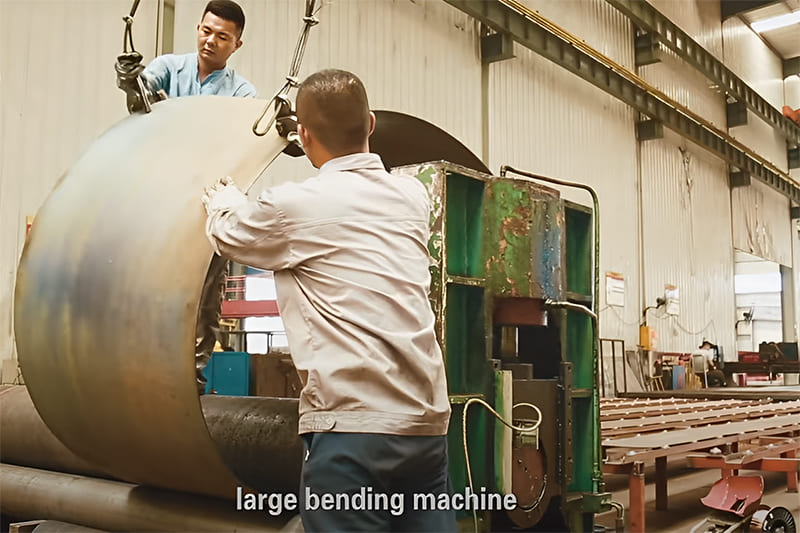
Do not accept one vague material line for the whole trailer. The tank body and the chassis do different jobs, so they may use different materials. Our quotation should state the tank-shell material and the chassis or structural material. It should also list the key thicknesses that matter for the selected setup.
This is especially important when you compare carbon-steel and aluminum cement tankers. “Aluminum tanker” does not mean every structural part is aluminum. In the same way, “high-strength steel” is too vague for a final order. The specification should tell you which material is used in each main part.
3. Check the Welding Before Paint Covers It
Paint can hide a lot of fabrication work. When possible, ask to see the tanker before coating. Poor part fit or uneven welding can lead to leaks, deformation, repair work and downtime later.
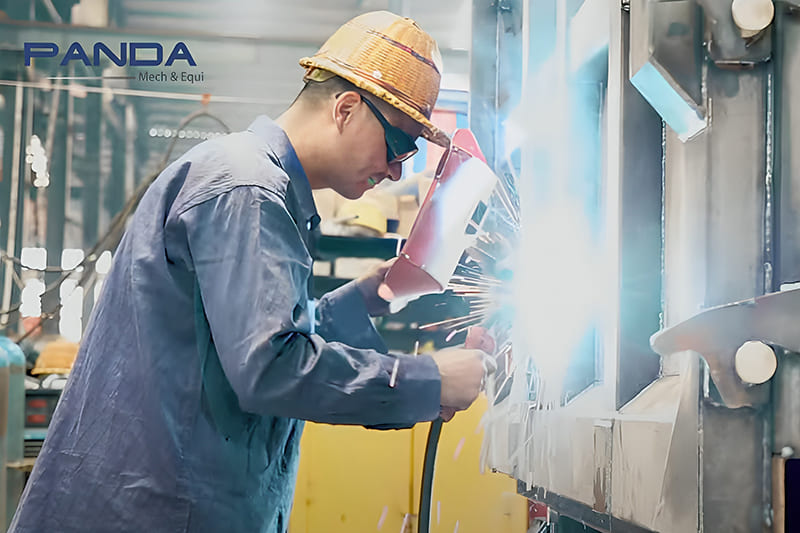
Panda Mech uses both manual and automatic welding. We use each method where it fits the joint and production step. The important question is not whether everything is robot welded. Check where each welding method is used. Also check how weld quality is kept consistent, how defects are repaired and what is inspected before painting.

4. Match the Pneumatic System to the Receiving Silo
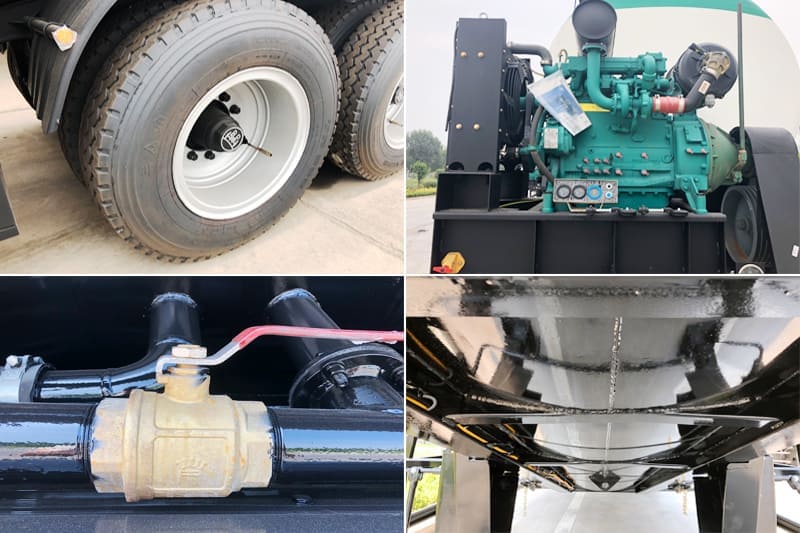
A pneumatic cement trailer is more than a tank on axles. The compressor supplies the air used to move the powder out of the tank. Pipes, valves and the aeration system control how that air reaches the cargo and discharge line. Hose length, silo height, pipe bends and the receiving silo can all change the result.
Panda Mech’s current cement tanker unloading baseline is more than 1.5 t/min. This is not a promise that every site will unload at the same rate. Cargo condition, discharge distance, vertical lift, pipe layout, silo filter capacity and backpressure can all change real unloading speed.
This is why we do not choose the air system from compressor brand alone. We also check how the compressor is powered and how the discharge line is arranged. Then we check whether the silo can accept the airflow and powder without too much backpressure.
| What We Need to Know | Why It Matters | What It Can Change |
|---|---|---|
| Cargo / moisture condition | Wet or difficult powder may not flow as easily. | Aeration setup, operating method and unloading stability. |
| Bulk density | It links cargo weight to the tank volume you need. | Tank size and payload/volume match. |
| Horizontal discharge distance | A longer line creates more resistance. | Compressor and pipe matching, plus unloading time. |
| Vertical lift / silo inlet height | Moving powder higher needs more pneumatic work. | Air-system setup and realistic unloading expectations. |
| Bends / pipe layout | Every bend or restriction can add resistance. | Powder flow and discharge stability. |
| Silo filter / backpressure | A restricted silo can slow down a correctly built trailer. | Site fit and actual unloading performance. |
| Power source | The compressor can be driven in different ways. A tractor power take-off is often called PTO. | Compressor drive package and tractor fit. |
Want Us to Check Your Cargo, Route and Silo?
Send us the cargo, target payload or volume, tractor, horizontal discharge distance and silo inlet height. We can check the tanker setup before you compare final quotations.
5. Put the Axles, Suspension, Brakes and Tires in Writing
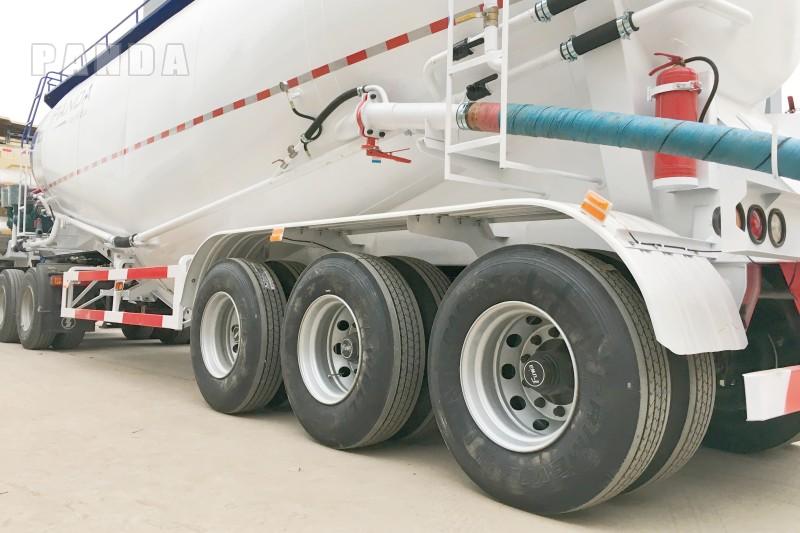
“3 axles” is not a complete running-gear specification. The quotation should list the axle count and rating, suspension type, braking system, tire size and other main components. Your fleet may already use a preferred brand or locally serviced part. Tell us before the price is finalized.
Do not work out legal payload by simply adding the axle ratings together. The trailer structure, tires, brakes, tractor weight and axle spacing all matter. Local road law matters too. Gross vehicle weight, or GVW, means the allowed total weight of the loaded vehicle. GVW, axle limits, dimensions and brake rules must be checked for the exact destination and order.
6. Before You Pay the Balance: 6 Things to Check
“Strict QC” does not tell you enough. QC means quality control. Our production checks cover the main steps from fabrication to the finished trailer. We check materials, dimensions, welding and tank sealing. We also check pneumatic pipes, valves, running gear, brakes, electrical items, coating and the final trailer before shipment.
Tank & Pneumatic System
We check tank sealing, pipes, valves and the pneumatic parts used for unloading.
Running & Safety Systems
We check axle and suspension installation, brakes, lights, electrical items and other running-system parts.
Final Trailer
We review dimensions, ordered parts, accessories, surface condition, documents and shipping protection before release.
- Finished-trailer photos or video from several sides
- Trailer setup that matches the approved order
- Tank airtightness or sealing evidence where applicable
- Confirmation of the main components
- Final inspection record or checklist where applicable
- Packing and shipping-protection confirmation
7. Check the Surface Preparation and Shipping Protection
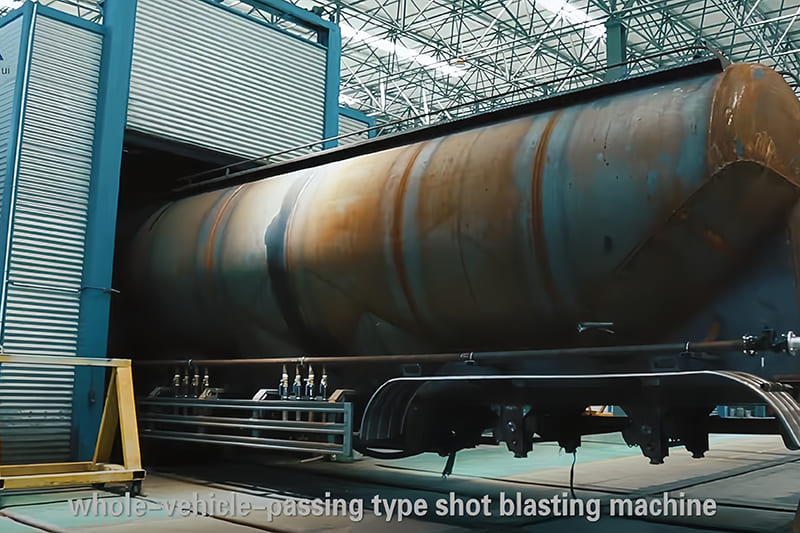
A shiny finish on delivery does not prove that the paint system will last. The steel needs proper surface preparation before primer and topcoat. Panda Mech’s cement tanker process includes whole-vehicle shot blasting and cleaning before painting.
Shipping protection matters too. Sea transport, lifting and removable parts can damage a good finish. The quotation should clearly say what shipping work and costs are included, instead of using one vague “shipping” line.
8. Approve the Drawing and Specification Before Production
The sales brochure does not control your order. The approved technical specification and drawing do. We use these documents as the build reference. This makes the expected trailer setup clear before production starts.
| What to Confirm | Why It Matters |
|---|---|
| Cargo / density | Stops tank volume from being chosen from tonnage alone. |
| Payload and tank volume | Keeps physical tank volume, design payload and legal road payload separate. |
| Overall dimensions | Checks tractor fit, road limits, shipping and site access. |
| Tank / chassis materials | Stops vague material descriptions from entering the order. |
| Axles / suspension / brakes / tires | Controls major differences in price, service and road use. |
| Pneumatic package | Defines the compressor or power source, pipes, valves and unloading equipment. |
| Options | Stops optional equipment from being mistaken for standard equipment. |
| QC / documents | Defines what inspection evidence and documents you should receive before shipment. |
9. Why Direct Factory Control Matters
A pneumatic tanker combines the tank structure, running gear and an air-powered unloading system. A change in one area can affect another. When the engineering and production teams are close to each other, changes are easier to explain, approve and check.
Panda Mech manages the work in our own factory. This covers trailer setup, drawing approval, tank fabrication, pneumatic-system matching, assembly, quality control and export preparation. This gives you a clearer line of responsibility when a technical question or production change appears.
What You Can Verify in the Panda Mech Factory
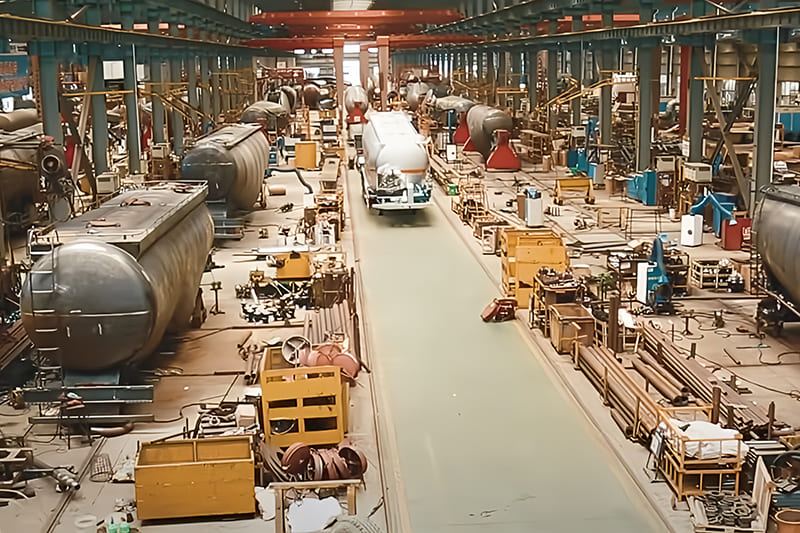
Factory claims are more useful when you can connect them to a real production step. The evidence already shown on this page lets you check how Panda Mech forms, welds, equips and prepares pneumatic cement tankers.
For an order-specific check: ask for the finished-unit photos, major-component confirmation and inspection evidence that match your approved order before you pay the balance.
Panda Mech Pneumatic Tanker — Quick Facts
| Item | Panda Mech |
|---|---|
| Factory | Own semi-trailer factory in China |
| Main product area | Pneumatic dry-bulk tank trailers |
| Experience | 20+ years |
| How we choose the setup | Based on cargo and project conditions |
| Cement unloading baseline | >1.5 t/min; real site performance also depends on cargo and receiving conditions |
| Quality control | 200+ quality-control checks across production |
| Customization | Custom engineering options are available |
| Typical production | 7–25 days, depending on setup and quantity |
| Normal payment | Generally 30% deposit + 70% before shipment |
| Target reply time | Within 1 hour |
Real Project: Ethiopia 3-Axle Cement Bulker Engineering Case
This project is useful because it shows a configuration decision, not a marketing performance claim. An Ethiopian construction/project customer first asked Panda Mech for a tandem-axle cement bulker. After reviewing local conditions and weight-limit requirements, Panda Mech recommended a 3-axle configuration instead.

- Destination
- Ethiopia
- Customer type
- Construction / project customer
- Initial request
- Tandem-axle cement bulker
- Main issue reviewed
- Local road conditions and weight-limit requirements
- Panda Mech recommendation
- 3-axle cement bulker
- Why this case matters
- The axle setup changed before production because the destination requirements mattered more than the original axle preference.
10. What Happens After You Send Us Your Requirements
Once we have the main operating details, the project should move through a clear sequence. This keeps the quotation, drawing, production and final inspection tied to the same agreed trailer setup.
- Requirements review
We check cargo, payload or volume, destination, tractor and unloading conditions.
- Configuration & quote
We define the main tanker, running-gear and pneumatic-system scope before final price comparison.
- Drawing approval
The approved specification and drawing become the build reference.
- Production & QC
Fabrication, assembly and quality-control checks follow the confirmed order.
- Pre-shipment check
You verify the finished trailer, main components and available inspection evidence before balance payment.
- Shipping preparation
The trailer is prepared for the agreed export route, port and shipping scope.
Panda Mech Is a Good Fit When…
- You want the tanker setup checked before you compare final prices.
- You need stable pneumatic unloading, not just a tank body.
- You need common fleet parts or a project-specific setup.
- You want factory visibility, QC evidence and long-term operating value.
Do Not Finalize a Quote Yet When…
- The cargo or bulk density is still unclear.
- Payload and tank volume are being treated as the same thing.
- The receiving silo and discharge route have not been checked.
- Axles, brakes, tires, compressor or power source are still undefined.
6 Red Flags When You Compare Pneumatic Trailer Suppliers
- The supplier gives a final quote without asking what cargo you carry, where the trailer will run or how it will unload.
- The quote says only “50 ton / 3 axle” and does not define tank volume, materials or the pneumatic system.
- Tank material and chassis material are mixed into one vague specification.
- The supplier promises a legal payload without checking local road limits and the full vehicle setup.
- There is no approved drawing or clear technical specification before production.
- QC, warranty, spare parts and shipping protection are only verbal promises.
What After-Sales Support Should Look Like
After-sales support works faster when the trailer and the problem are easy to identify. Keep your order information and take clear photos or video before asking for a replacement part or technical check.
| If You Need Help With | What to Send | Why It Helps |
|---|---|---|
| Compressor or engine/PTO issue | Trailer/order identity, compressor or engine model, photo/video and the symptom. | Helps identify the correct air-source setup and service item. |
| Valve, hose or seal issue | Component location, close photo and the leak/wear symptom. | Helps identify the correct valve, hose, seal or gasket. |
| Slow or unstable unloading | Cargo, moisture condition, pressure information, discharge distance, silo height and backpressure/filter condition if known. | Helps separate a trailer issue from a receiving-site or operating-condition issue. |
| Axle, brake, light or running-gear part | Brand/model where visible, installation position and photo. | Helps match the part to the ordered running-gear setup. |
| Spare-parts planning | Your operating environment, fleet quantity and locally difficult-to-source components. | Helps prioritize seals, valve wear parts, hoses, gauges, brake/lighting items and other strategic spares. |
What We Need for an Accurate Pneumatic Tanker Quote
“Send me a 50 ton cement trailer price” is enough to start a conversation, but not enough to confirm the right tanker. Send the details below. Our engineering and sales team can then narrow the setup before preparing the final quotation.
- Destination country: so we can review the market, route and local road requirements.
- Your use: cement plant, transport fleet, contractor or single-unit operation.
- Cargo: cement, fly ash, lime or another industrial dry powder.
- Bulk density: send the actual value if you know it.
- Target payload: tell us how many tons of cargo you want to carry.
- Target tank volume: include m³ or CBM if you already know it.
- Quantity: one unit, fleet order or project order.
- Road condition: highway, mixed road, rough road or project-site use.
- Tractor: model and connection details, especially if you plan to use tractor power take-off (PTO).
- Receiving silo: inlet height, horizontal discharge distance, pipe layout and any known filter or backpressure limit.
- Target unloading time: if your operation has a cycle target.
- Axle / suspension preference: if your fleet already uses a standard setup.
- Destination port / Incoterm: if you want shipping included. An Incoterm, such as FOB or CIF, defines which shipping costs and responsibilities are included.
Send Your Tanker Requirements for a Technical Check and Quote
Send us your cargo, target payload or volume and destination country. Also send the tractor information, silo height, discharge distance and quantity. We will check the engineering details first, then match the pneumatic tanker setup and prepare the quotation. Our target reply time is within 1 hour.
FAQ: Choosing a Pneumatic Trailer Manufacturer
What should I compare first when choosing a pneumatic trailer manufacturer?
Compare the main technical setup before price. Check the cargo and density first. Then check payload and volume, tank and chassis materials, running gear and the pneumatic system. Also check the quality-control plan, drawing, warranty and shipping scope. Price is easier to compare when these items match.
Why can two 50 ton cement tanker quotations have very different prices?
Because “50 ton” does not define the full trailer. Tank volume, tank and chassis materials, axles, suspension, tires, compressor, power source, valves, testing, customization and shipping scope can all change the final price. Compare the technical scope before you compare the total price.
Why does Panda Mech ask about the receiving silo?
Because the trailer is only one part of the unloading system. Horizontal distance, silo height, pipe bends, filter capacity and silo backpressure can all change the discharge rate. We need the receiving-site details to choose the pneumatic setup correctly.
Is a 3 axle 50 ton cement trailer legal in every country?
No. “3 axle 50 ton” is a commercial description, not a universal road approval. Legal payload depends on the full vehicle, axle spacing, tire and brake ratings, tractor and local road rules.
Should tank material and chassis material be listed separately?
Yes. The tank body and chassis do different jobs and may use different materials. The specification should clearly say which material is used for each main part.
What should I ask for before paying the balance?
Ask for finished-trailer photos or video. Confirm the ordered setup and main components. Also ask for sealing or test evidence, final inspection documents where applicable, and shipping-protection confirmation.
How long does Panda Mech production normally take?
Production typically takes 7–25 days, depending on trailer type, setup, quantity and production schedule. Shipping time is separate and depends on the destination and route.