Heavy-Duty Cement Transport
Planned 60 units; first batch 20 units. High payload, downtime and maintenance were key concerns.
What You Can Learn
For very heavy payloads, check the whole fleet and route. Tank size alone is not enough.
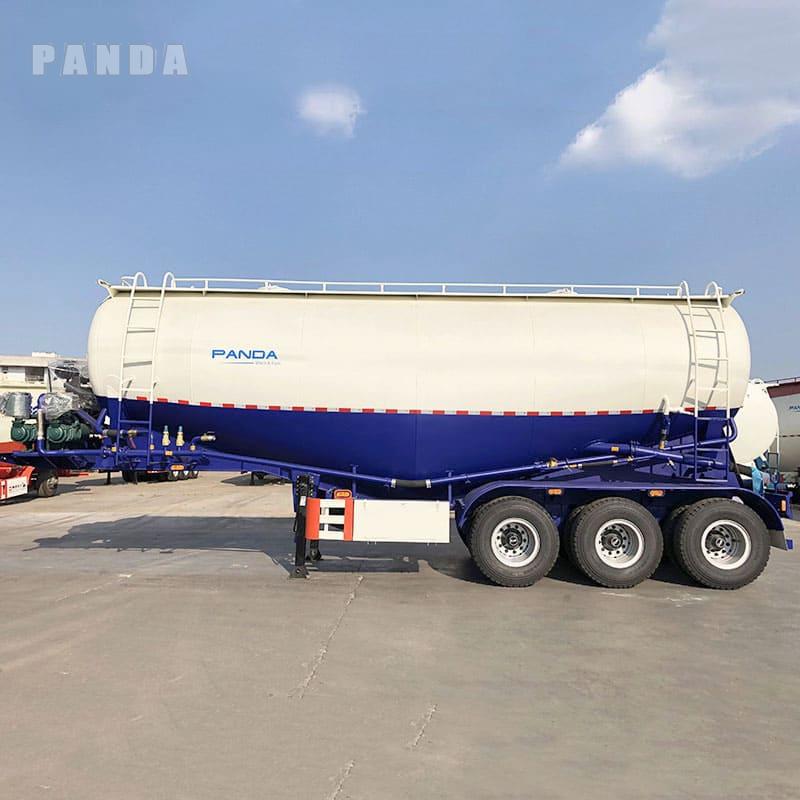
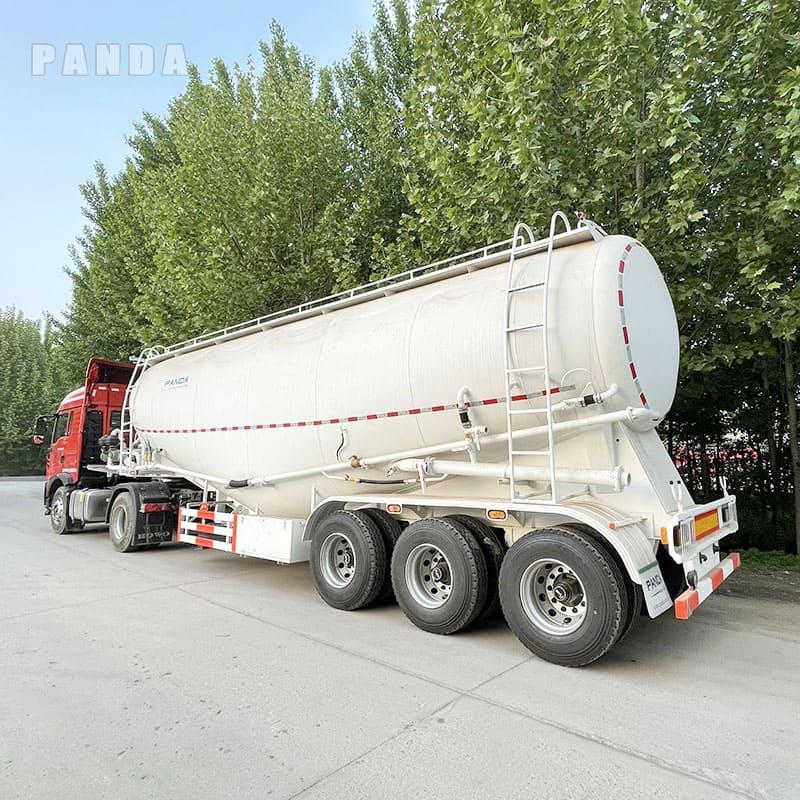
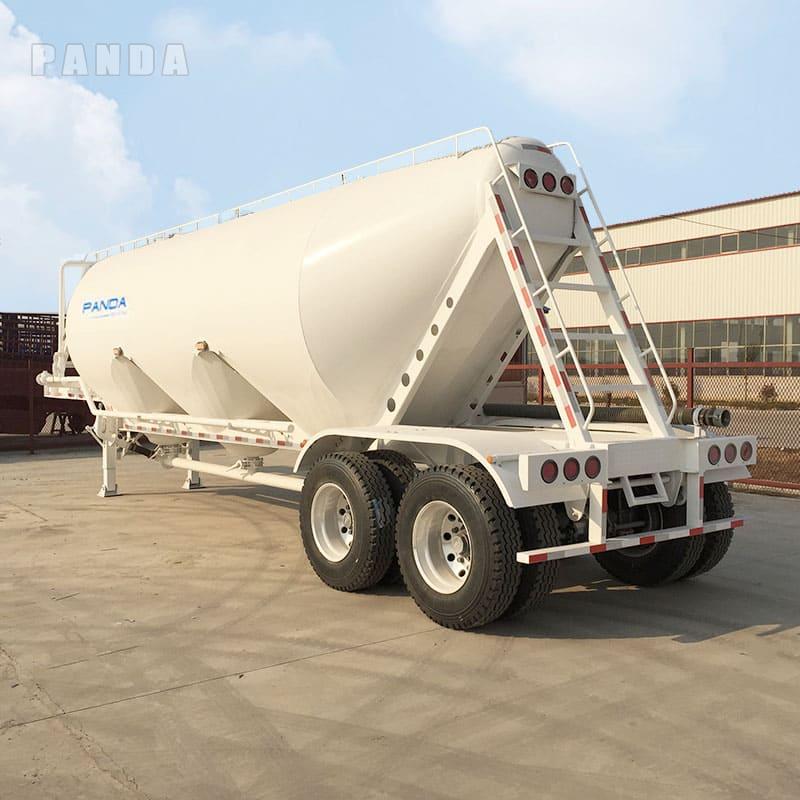
View casePanda Mech builds pneumatic cement tankers for cement plants, transport fleets and engineering contractors. These tankers use air pressure to unload dry powder. We start with the powder you carry, the payload you need, your tractor, road conditions and unloading site. Then we match the tank volume, axles and air system to the job.
Start with three things: the powder you carry, its bulk density and the legal payload you need. We then match the tank volume and axle setup to your tractor and route. We also check the unloading system and receiving silo. Do not choose a tanker from payload or axle count alone.
A good quote starts with the real job. These eight inputs help us match the tank, running gear and unloading system to your route and receiving silo.
We configure the tanker around the complete transport and unloading job, not one isolated specification.
Cement, fly ash, lime and mineral powder do not flow and unload in the same way.
Tell us the exact powder before we size the tank.Payload is weight. Tank volume is space. Bulk density connects the two.
Do not turn tonnes into m³ until you know the powder density.We start with the tonnes you need per trip, then check whether the route and tractor can support them.
Local gross vehicle weight, axle loading, brakes and dimension rules affect the usable setup.
Highway, plant-yard, construction-site and rough-road use can change suspension, tires and chassis choices.
We check tractor configuration, fifth-wheel load, braking and the complete combination.
Send the horizontal discharge distance, silo height and target unloading performance.
Silo height, venting, filter capacity and backpressure can all change unloading performance.
30, 40, 50 and 60 ton tankers are not simply the same trailer in four sizes. Payload changes tank volume, running gear, tractor requirement and legal operating weight.
| Reference Setup | Volume Reference | Axle Reference | When It Fits | Product |
|---|---|---|---|---|
| 30 Ton | 25 m³ reference | 2 axles | Lower payload, lighter setup or easier maneuvering. | View product |
| 40 Ton | About 30 CBM | Confirm for route | Mid-range payload where you do not need the heavier 50–60 ton class. | View product |
| 3 Axle 50 Ton | About 40 CBM | 3 axles | Popular Panda Mech reference for high-volume cement transport. | View 50T |
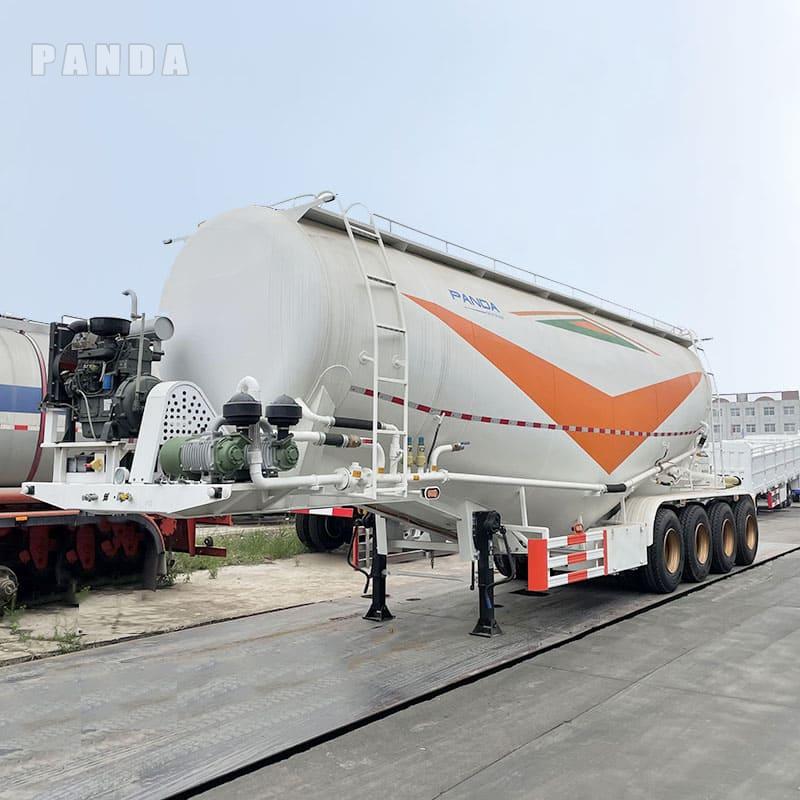
| 60 Ton | About 50 CBM | 3 / 4 axle setups available | Heavy-duty jobs where tractor, route and legal limits support the loaded combination. | View product |
Tonnes tell you how much the powder weighs. Cubic metres tell you how much space the tank has. Required volume depends on the powder density and usable loading condition.

Choose this setup when tonnes per trip and fleet output matter, and your tractor, route, gross vehicle weight and axle limits can support it.
We do not choose axle count from payload alone. We check legal GVW, axle loading, tractor setup, route, turning space and target payload together.


| Decision Factor | 3 Axle | 4 Axle |
|---|---|---|
| Main use | Mainstream transport when three axles satisfy load and route needs. | Heavier-duty jobs where another axle helps spread the load. |
| Running gear | Fewer tires and suspension components. | More tires, suspension parts and maintenance points. |
| Maneuverability | Usually easier in tighter yards. | Needs more attention to wheelbase and turning space. |
| Choose when | Your legal payload and route do not require the extra axle. | The extra axle is justified by the load plan and local rules. |
One powder tanker setup will not suit every material. Density, moisture, particle size, abrasiveness and how easily the powder mixes with air can all change tank size and unloading.
| Cargo | What to Check | What We Check | What We Recommend |
|---|---|---|---|
| Cement | What payload and tank volume do you need per trip? | Bulk density, payload, route, discharge distance and silo. | Use an industrial cement / pneumatic tanker. |
| Fly Ash | Does the lower density mean you need a larger tank? | Actual density, moisture, aeration and unloading conditions. | Use an industrial pneumatic bulk tanker. |
| Lime Powder | Will the powder stay dry and flow well during unloading? | Density, flowability, moisture sensitivity and pipeline conditions. | Use a pneumatic tanker after we check the powder. |
| Mineral Powder | Will a standard cement tanker air system work with this powder? | Particle behaviour, density, abrasiveness and discharge requirement. | Use a project-specific industrial powder setup. |
| Flour / Starch / Food Powder | Should this powder use a cement tanker at all? | Hygiene, tank material, cleaning, contamination control and the food-powder silo. | Use a dedicated food-powder tanker. |

We choose tank geometry together with tank volume, aeration, outlet position, residue, center of gravity and service access.
Use it when the V-shaped hopper and outlet layout suit the powder while still providing the required volume.
Consider it when the internal shape, volume or discharge arrangement better fits the project.
Use a custom design only when cargo, trailer size, route or unloading site gives a clear engineering reason to change the standard layout.
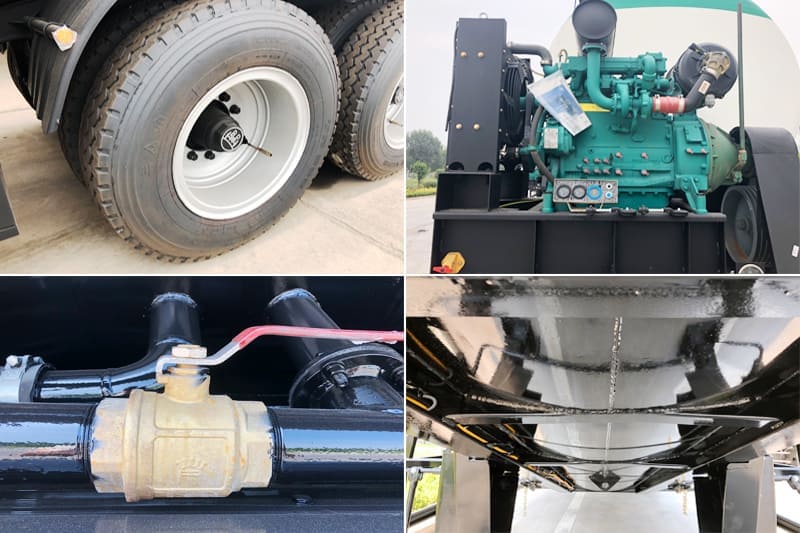
The compressor is only one part of unloading. Cargo condition, air flow, tank pressure, pipe size, hose length, bends, silo height, backpressure and filter capacity all affect the result.
The air source must match the full unloading line, not only the tank. Output alone does not tell you the real powder unloading rate.
Leaks at valves, seals or pipe joints waste air. Stable pressure helps the aeration and discharge system work consistently.
Moisture, bulk density and powder behavior change how easily the cargo mixes with air and moves toward the outlet.
Pipe diameter, hose length, bends and routing all change pressure loss and real discharge performance.
A tall silo or restricted venting can slow unloading even when the tanker itself is correctly configured.
The same tanker can behave differently at two unloading sites. Longer lines, more bends and higher silos create more resistance.
This explains the decision logic. It is not a fixed specification for every tanker.
Truck parks close to a lower silo. Short pipeline, few bends and good venting create less resistance.
Longer pipeline, more bends, greater vertical lift or higher backpressure make the air system work harder.
We treat these interfaces as one operating system. A trailer that looks correct on paper can still perform poorly if the tractor or receiving site is mismatched.
Two quotes are only comparable when they include the same main specifications. Check these items before you decide which offer gives you more value.
| Item | Why It Matters | What to Check |
|---|---|---|
| Cargo | The powder changes density and unloading behaviour. | Exact powder and its expected condition. |
| Payload | Tells you how many tonnes you can move per trip. | Required payload and the legal payload on your route. |
| Tank Volume | Must match powder density and the amount you need to load. | Rated tank volume and the powder it is meant to carry. |
| Tank / Structural Material | Changes empty weight, durability and cost. | Check tank-shell material and chassis material separately. |
| Axles | Change load distribution and maintenance needs. | Number of axles, brand, rating and the load plan. |
| Suspension | Changes ride, road fit, cost and maintenance. | Mechanical or air suspension, plus component brand. |
| Compressor / Air Source | Supplies the air used for unloading. | Compressor package, output, drive type and fit for the job. |
| Discharge Pipeline | Pressure loss can slow real unloading. | Pipe diameter, hose length, bends and routing. |
| Brake System | Important for safety and local requirements. | Brake setup, anti-lock braking system (ABS), electronic braking system (EBS) and local requirements. |
| Tires / Fleet Parts | Affect maintenance and how easily you can standardize fleet parts. | Size, brand, quantity and spare-parts plan. |
| Operator Access | Drivers use valves, hoses, ladders and inspection points every day. | Valve position, hose handling, ladder, walkway, handrail and service access. |
| Local Serviceability | A good component is less useful if it is difficult to service in your market. | Ask which axle, brake, tire and compressor parts are practical to support locally. |
A price only makes sense when the technical scope is clear. We separate the main configuration items so you can compare the same equipment across suppliers.
If two suppliers quote different tank volumes, materials, axles, compressors or brake packages, the final prices are not directly comparable.
Ask for the configuration line by line before you decide which offer gives better value.
| Quotation Item | What Should Be Clear |
|---|---|
| Trailer model / setup | Exact configuration, not only a generic model name. |
| Payload & tank volume | Listed as separate fields with the intended cargo. |
| Tank-shell material | Listed separately from chassis / structural material. |
| Axles & suspension | Quantity, rating, type and main component brand where specified. |
| Compressor / air source | Package, output and drive arrangement for the quoted setup. |
| Brake & tires | Main brake configuration plus tire size, quantity and brand where specified. |
| Options | Customer-specific options listed separately from the base trailer. |
| Production time | Shown separately from sea shipping / transit time. |
| Payment | Deposit and balance terms shown clearly in the quotation or contract. |
| Shipping scope | Named shipping / trade scope and destination details stated clearly. |
The lowest purchase price is not always the lowest total cost. Compare the complete setup, tonnes moved per trip, maintenance needs and downtime.
More capacity changes tank structure, material use and load on the tractor and axles.
Axles, suspension, tires and brake brands change purchase and maintenance cost.
Compressor, drive system, valves, pipes and hoses all affect the scope.
Local requirements, documents, options and order quantity can change the final price.

| Running-Cost Factor | Why You Should Check It |
|---|---|
| Tonnes per trip | More tonnes per trip can reduce the number of trips needed for the same job. |
| Unloading cycle | Slow unloading keeps the truck busy for longer and can reduce fleet output. |
| Tire / suspension maintenance | These costs continue after the trailer is purchased. |
| Compressor and pneumatic maintenance | The air system needs regular service to keep unloading stable. |
| Spare-parts standardization | Using common parts across a fleet can make service and stocking easier. |
| Downtime | A lower purchase price can cost more if breakdowns keep the trailer off the road. |
Routine checks help you spot air leaks, hose damage, cargo caking and running-gear wear before they become larger problems. The exact service schedule must follow the compressor, engine and component manuals supplied for the final setup.
For fleet orders, standardizing service parts can reduce downtime. Tell us which brands are easier to support in your market before we finalize the order.
| Symptom | Check First |
|---|---|
| Slow unloading | Air source → leaks → aeration → cargo moisture / caking → valve → pipeline restriction → silo backpressure / filter. |
| Cannot build pressure | Open valve / manhole → seal leak → pipeline leak → compressor / drive fault → pressure device issue. |
| High residue | Cargo condition → tank angle / aeration → low pressure / airflow → discharge sequence → internal obstruction. |
| Fast tire or running-gear wear | Axle alignment → suspension → tire pressure / load → brake drag → route overload. |
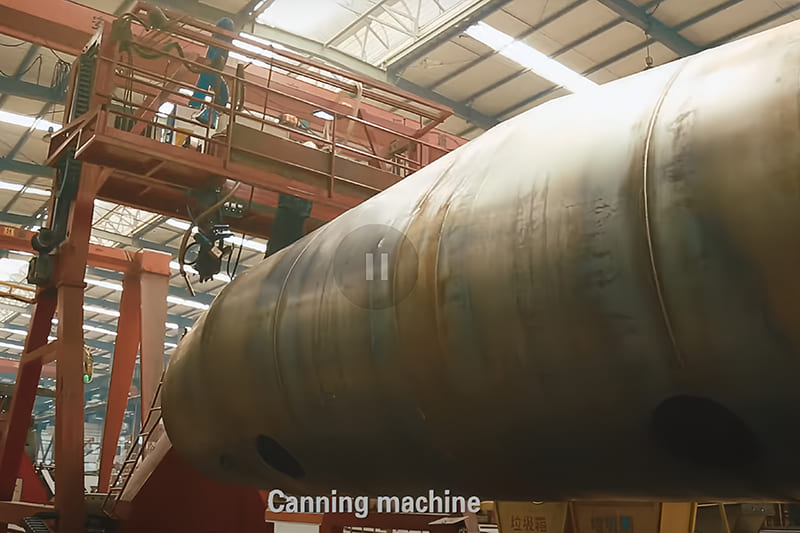
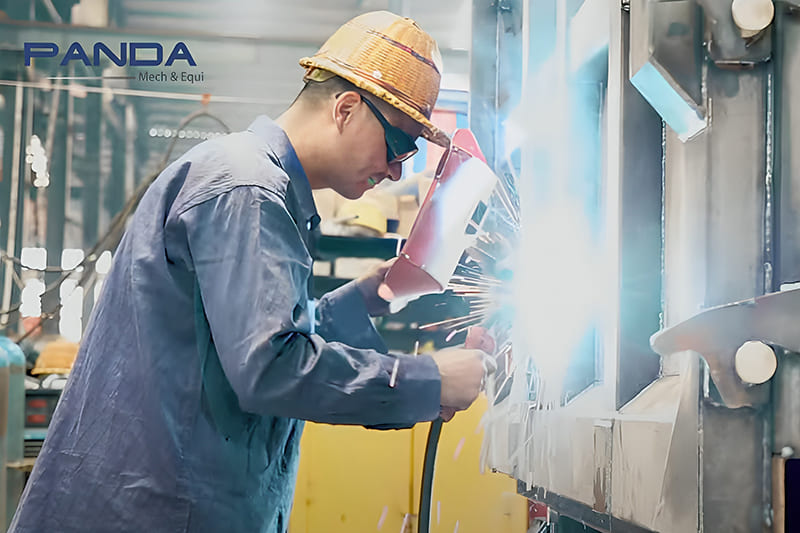
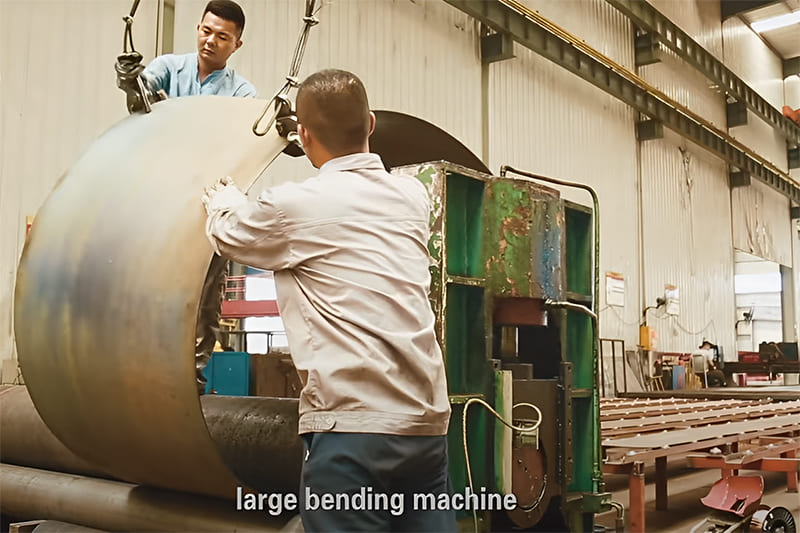
Panda Mech has its own factory and focuses on pneumatic dry-bulk tankers. We work with single-unit orders, fleets and larger projects.

Panda Mech uses 200+ quality-control checks across production. For pneumatic tankers, the high-value release checks include the tank, sealing, piping, air system, running gear and final configuration.


These Panda Mech projects show how fleet size, payload, route and axle requirements change the final setup. They are examples, not universal specifications.
Planned 60 units; first batch 20 units. High payload, downtime and maintenance were key concerns.
For very heavy payloads, check the whole fleet and route. Tank size alone is not enough.
View caseThe project used 60 units of 55 ton, 3-axle cement tankers with fleet parts planning in mind.
Consistent parts can simplify maintenance and spare-parts planning across a large fleet.
View caseThe initial request was tandem axle. Panda Mech recommended 3 axles after checking local weight limits.
Do not keep the requested axle count when local operating limits point to a better setup.
View caseWe confirm the powder, payload, country, tractor, road conditions, unloading needs, silo and quantity before we finalize the quote.
Production time depends on trailer type, setup, order quantity and the factory schedule. Shipping time is separate.
Sea transit depends on the destination and shipping plan. We show production time and shipping time separately.
Start with the exact powder, its bulk density and the tonnes you need per trip. Then check the legal loaded weight, tractor, axle setup and route. For Panda Mech cement tankers, about 30 CBM is a reference for a 40 ton setup. About 40 CBM is a reference for a 50 ton setup. These are product references, not universal density conversions.
Neither option is always better. Three axles are common in Panda Mech cement tanker setups. Four axles can help when the load needs to be spread further. We still check GVW, axle limits, tractor, route and turning space before we choose.
Panda Mech’s cement unloading reference is greater than 1.5 t/min. This does not guarantee the same total unloading time at every site. Powder condition, hose length, silo height, leaks, backpressure and filter condition can change the real result.
The main factors are powder moisture, density and air flow. Compressor output, pressure loss, pipe size, hose length, bends, silo height, valves, backpressure and filter capacity also matter. The tanker and receiving silo must work as one system.
A pneumatic tanker can carry different industrial dry powders, but one setup may not suit them all. Check density, moisture, flow, abrasiveness and unloading conditions first. Send us the exact powder list before we quote.
No. Flour, starch and other food powders should use Panda Mech’s dedicated food-powder tanker family. We check hygiene, cleaning, contamination control, tank material and the food-powder silo separately.
Send the powder, required payload, country, road conditions, tractor, unloading distance, silo height, preferred axle or suspension if you have one, and order quantity. That is enough for us to start the setup and quote.
Panda Mech production is typically 7–25 days. The exact time depends on trailer type, setup, order quantity and the factory schedule. Sea shipping time depends on the destination and is confirmed separately.
Confirm the final configuration, tank and weld inspection, airtightness, pneumatic piping and valves, compressor or engine function, discharge-system function, running gear, brakes, dimensions, finish and shipping protection. If you need a specific inspection record, photo set, video or document, include it in the RFQ so the scope can be confirmed before production.
Start with the air source, leaks and powder condition. Then check aeration, valves, the discharge pipeline, hose restriction, silo backpressure and filter capacity. A slower unloading cycle can come from the tanker, the cargo or the receiving silo.

Send us the real operating conditions. We will recommend a practical setup and quote the same main specification you can use to compare suppliers.
Target response: within 1 hour. Send your name, email, phone or WhatsApp, and the project details above.