
The system may be working normally within its approved range. Keep watching the pressure, cement flow and receiving silo.
Cement Tanker Engineering / Pneumatic Unloading
Cement Tanker Working Pressure: What 0.2 MPa Means for Pneumatic Unloading
Our published cement unloading procedure uses about 0.20 MPa (2.0 bar / 29 psi) as a reference for starting main discharge. That number tells you the pressure. It does not tell you unloading performance by itself. We also check compressor airflow, aeration, discharge distance, silo height and receiving-silo backpressure.
Quick answer: high pressure is not automatically good pressure. If tank pressure is high but cement flow is slow, the first engineering direction is usually to find resistance or poor fluidization—not simply increase pressure. Operating, design, test and relief pressures must also remain separate values.
Is Higher Cement Tanker Pressure Better?
No. A higher pressure number does not automatically mean faster unloading. Read the gauge together with cement flow and the full discharge path.
Simple rule: do not choose a cement tanker just because one supplier quotes a higher working pressure. Higher pressure does not automatically mean faster unloading or better tanker quality.
Operating, Design, Test and Relief Pressure Are Not Interchangeable
We treat these as four separate pressure values. Only operating pressure is used for normal unloading. Design, test and relief values have different jobs.
| Pressure Value | What It Means | Used as Normal Unloading Target? | What You Should Check |
|---|---|---|---|
| Operating Pressure | The approved pressure used during normal pneumatic unloading. | Yes | Confirm the value/range in the final operating specification. |
| Design Pressure | The pressure value used to design the tank and other pressure-bearing parts. | No | Do not copy it into the working-pressure field. |
| Test Pressure | A pressure used during a controlled inspection or test. | No | Ask how the test is done and what result must pass. |
| Relief Setting | The setting that lets the safety system protect against too much pressure. | No | Confirm the relief device matches the approved tanker design. |
The Same Pressure in Three Units
These units describe the same pressure in different ways. Converting the units helps you compare specifications from different markets.
1 MPa = 10 bar ≈ 145 psi
In our published unloading procedure, 0.15 MPa is about 1.5 bar or 21.8 psi. The 0.20 MPa reference equals 2.0 bar or about 29 psi.
These are operating-context references, not universal test or design values.
| Panda Reference | Bar | PSI | Operating Context |
|---|---|---|---|
| ≈0.15 MPa | ≈1.5 bar | ≈21.8 psi | Secondary-air / discharge-line clearing reference. |
| ≈0.20 MPa | 2.0 bar | ≈29 psi | Main-discharge start reference in the published procedure. |
Three Numbers, Three Different Jobs
Pressure, Airflow and Cement Unloading Rate Are Not the Same Thing
A good unloading system needs the right balance of all three. Raising one number does not automatically improve the others.
Shows the pressure inside the system and how much resistance the air and cement face. It does not tell you unloading speed.
Shows how much air the compressor or blower supplies each minute. It is measured in cubic metres per minute (m³/min).
Shows how fast cement actually leaves the tanker. It is measured in tonnes per minute (t/min).
Panda Mech cement unloading reference: >1.5 t/min
Our current cement tanker unloading reference is >1.5 t/min with an approved setup. Actual performance can change with cement condition, compressor output and air leaks. Hose length, silo height, bends, pipeline resistance and silo backpressure also matter.
First-party product reference: Panda Mech 58/60 m³ Bulk Cement Tanker lists cement unloading at >1.5 t/min.
Simple rule: 2.0 bar does not mean 2 t/min. A pressure value, an air-volume-flow value and a cement mass-flow value describe different parts of the system.
Is Tank Working Pressure the Same as Compressor Pressure?
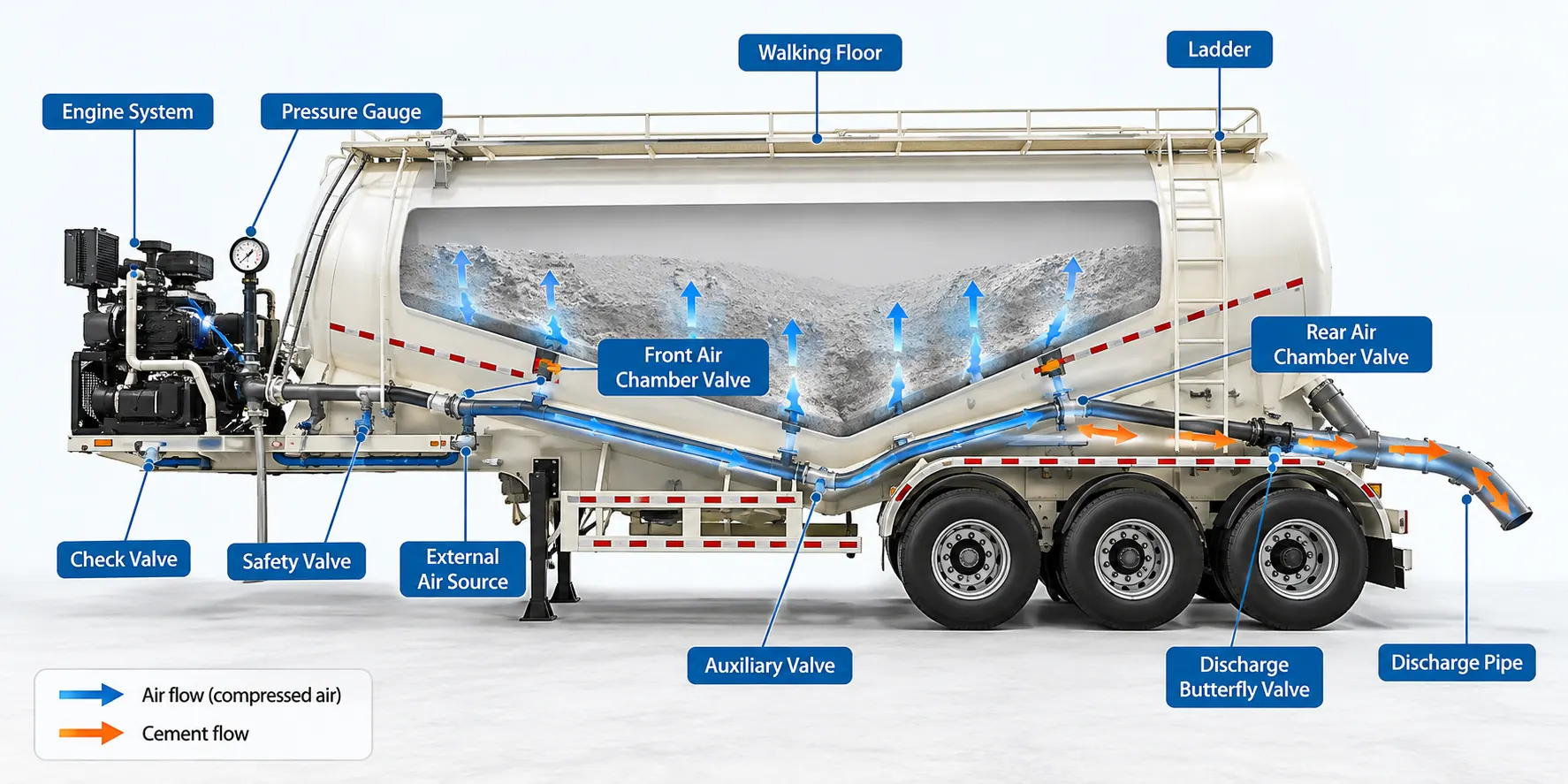
No. They are related, but they are not the same specification. The compressor supplies the air. The pressure inside the tanker depends on the complete pneumatic and discharge system.
Do not copy a compressor pressure rating directly into the tanker working-pressure field without confirming the approved tanker operating specification.
| Parameter | What It Tells You | Why It Can Differ |
|---|---|---|
| Compressor rated pressure | What the air source is designed to supply. | It describes the compressor, not the full tanker-and-silo system. |
| Tank operating pressure | The approved pressure used during tanker operation. | It must match the tanker design and operating procedure. |
| Compressor airflow | How much air the compressor supplies each minute. | Air volume affects fluidization and conveying, but m³/min is not the same as MPa. |
| Tank gauge reading | What pressure the system is actually showing during unloading. | Leaks, aeration resistance, pipe restriction, hose length and silo backpressure can change it. |
What this means in practice
A compressor can have a suitable rating while the tanker still unloads poorly if the rest of the system is mismatched. We therefore review the air source together with aeration, pipe layout, discharge distance and silo conditions.
What Changes Working Pressure — and What We May Change in the Tanker Setup
Before we recommend a setup, we look at the full route the cement must travel from tanker to silo.
| Your Site Condition | What It Can Change | What We May Change in the Tanker Setup |
|---|---|---|
| Long horizontal discharge distance | Makes it harder to push cement through the line and can require more air. | We may increase available airflow, review pipe/hose diameter and reduce unnecessary bends. |
| High silo inlet | Makes the compressor push cement higher, which adds resistance. | We may change the air-source setup and discharge configuration to suit the required vertical lift. |
| Multiple bends / restrictive connections | Each bend or narrow connection adds resistance to the discharge line. | We may change line routing, connection size or bend count before treating pressure as the fix. |
| Poor silo venting or filter condition | Makes it harder for air and cement to enter the receiving silo. | We confirm silo vent/filter capacity and may adjust the recommended unloading setup to the receiving conditions. |
| Damp, caked or poorly flowing cement | Makes it harder for air to loosen and move the cement. | We may change the aeration setup or operating sequence after confirming the cargo condition. |
| Air leakage | Makes it harder to build steady pressure and wastes compressed air. | We check manholes, seals, valves, joints and pneumatic lines before changing any pressure target. |
Start with your unloading site, not with one pressure number.
Tell us your cargo, payload, discharge distance, silo height and target unloading time. Also tell us how the tanker will get compressed air. We use these details to match the compressor or blower, aeration system and discharge line.
Low, High and Unstable Pressure Usually Mean Different Problems
Always read the pressure gauge together with cement flow. The same pressure number can mean different things when the cement is moving differently.
Pressure Too Low
Builds very slowlyCheck compressor output, intake, manhole/seal leakage and open valves.Do not assume tanker volume is the cause.
Cannot hold pressureCheck valve positions, hose joints, air lines and relief-system leakage.Do not try to hide an air leak by increasing compressor speed.
Low pressure + weak flowCheck whether enough compressed air is reaching the aeration and discharge lines.
Pressure Too High
Rises quickly after discharge opensCheck product valve, pipe/hose restrictions, bends and receiving connection.Do not keep increasing pressure.
High pressure + low product flowCheck whether the cement is fluidizing well. Also check material condition, outlet flow and silo backpressure.
Approaches approved operating limitFollow the tanker-specific operating and safety procedure.
Pressure Unstable
Pressure pulses with cement flowCheck secondary air, product valve position, line restriction and silo venting.
Falls and recovers repeatedlyCheck the front and rear aeration sequence. Also watch how the remaining cement moves inside the tank.
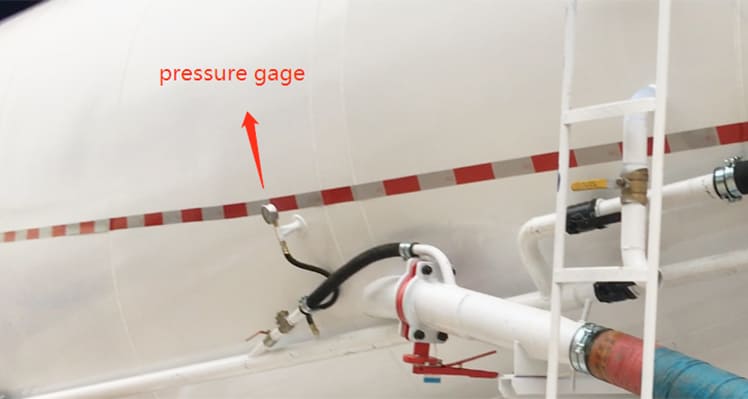
Gauge response looks abnormalCheck the pressure gauge and its pressure port first. A blocked or faulty gauge can give a misleading reading.
How We Use the 0.15 MPa and 0.20 MPa References
These values come from our published cement tanker unloading procedure. They describe two steps in that unloading process. They are not full-series design or test pressures.
1. Connect the discharge line and set valvesPrepare the front/rear air chambers and close/open the relevant circuits according to the operating procedure.
2. Start the engine / compressor smoothlyBuild air pressure smoothly instead of applying a sudden load to the system.
3. Secondary-air line clearing at ≈0.15 MPaThe published Panda procedure uses this as a line-clearing reference.
4. Main discharge start at ≈0.20 MPaThe discharge butterfly valve opens to begin unloading in the referenced procedure.
5. Monitor pressure together with product flowWatch the gauge together with cement flow in the discharge line and at the silo.
6. Clean out, stop the air source and depressurizeRelease the pressure fully before you disconnect the unloading hose.
Do not use 0.20 MPa as a universal Panda Mech maximum pressure, test pressure or design pressure. It is an operating reference preserved within the published cement unloading sequence.
Three Cement Tanker Pressure Mistakes to Avoid
These mistakes can make a good pneumatic system look weak, or push operators toward the wrong adjustment.
01Do not choose a tanker because it has the highest pressure number.
Higher pressure does not automatically mean faster unloading, better fluidization or better tanker quality.
02Do not use test pressure or relief setting as the unloading target.
Operating, design, test and relief values have different jobs and should stay separate.
03Do not increase pressure first when cement flow becomes slow.
Check fluidization, valves, the discharge line, cargo condition and silo backpressure before changing the pressure target.
Six Checks That Matter Before Cement Unloading Starts
Good unloading starts before you build pressure. These six checks help prevent air leaks, blocked flow and receiving-silo problems.
Confirm the gauge is readable and serviceable so the operator can see actual tank pressure.
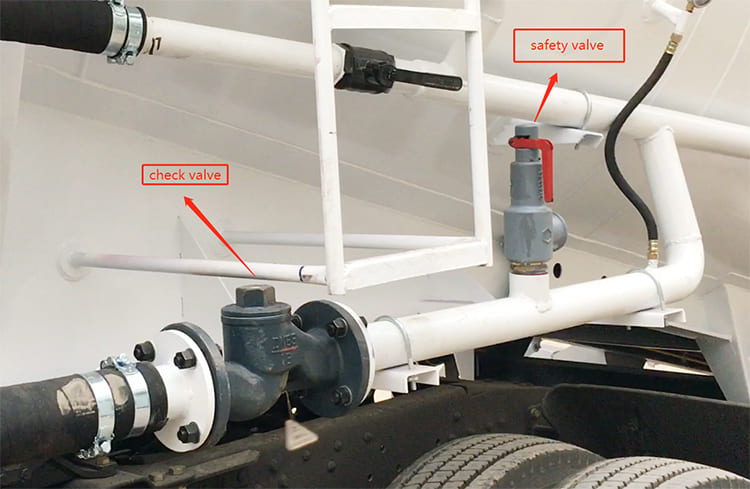
Confirm the pressure-relief system is in good working condition and matches the approved tanker design.
Secure the manhole and check sealing surfaces before pressurization to avoid air loss.
Confirm the air, cement discharge and secondary-air valves are in the correct positions before you start.
Secure the discharge hose, seals and quick connections before flow begins.
Confirm the silo inlet, vent and filter can handle the planned unloading rate. Poor venting can create too much backpressure.
Two Suppliers Both Quote 0.2 MPa? Here Is What You Should Compare
If two quotations both say “0.2 MPa,” they are not automatically equal. Compare the system behind the number: air supply, aeration, discharge line, unloading rate, protection and site conditions.
A quotation that lists only “working pressure: 0.2 MPa” does not fully describe pneumatic unloading performance.
| What to Compare | Why It Matters | What We Confirm |
|---|---|---|
| Operating pressure | Shows the approved pressure for normal unloading. | Operating value/range in the final technical specification. |
| Compressor airflow | Shows how much compressed air is available each minute. | We match air supply to unloading distance, silo height and how easily the cement flows. |
| Compressed-air setup | Shows how the tanker gets the compressed air needed for unloading. | We can review an independent diesel compressor or blower. A tractor power take-off (PTO) drive can also work where suitable. Some projects use an external air source. |
| Aeration design | Shows how well the air loosens the cement inside the tank. | We match the aeration setup to the cargo and unloading job. |
| Pipe / hose layout | Pipe diameter, hose length and bends directly affect how hard the cement is to move. | We check the discharge line against your actual unloading site. |
| Unloading rate | Shows how fast cement leaves the tanker. | Our cement unloading reference is >1.5 t/min under the approved setup. We also state the site conditions used for the recommendation. |
| Relief protection | Protects the tanker and pneumatic system if pressure rises too high. | We match the relief hardware to the approved design. |
| Leak / functional checks | Even a good specification will not help if the assembled system leaks or does not work correctly. | We check sealing, piping, valves and discharge-system function before delivery. |
Manufacturing & QC
How Panda Mech Checks the Pneumatic System Before Delivery
Pressure depends on the complete assembled system. We check the tank, seals, air lines, valves and unloading function together.
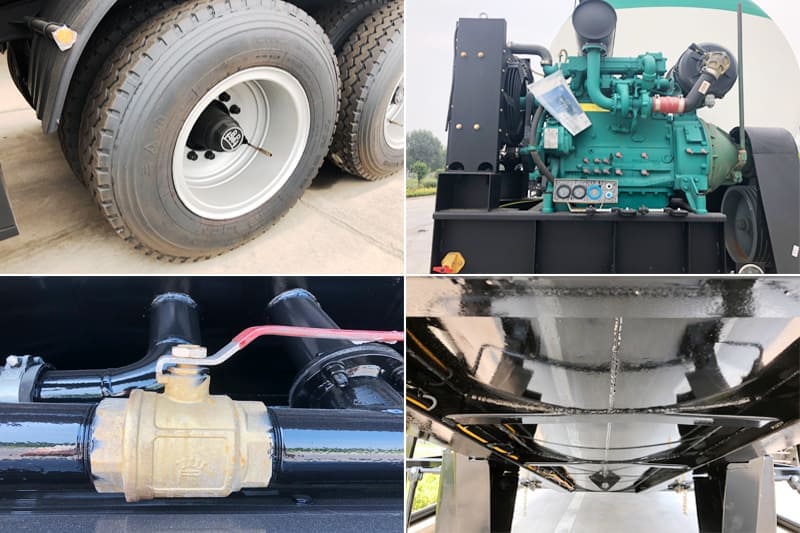
01Tank & Weld InspectionCheck that the material and built setup match the approved specification. Inspect the tank and weld condition.
02Airtightness / Leak CheckCheck tank sealing before relying on pneumatic performance.
03Piping & Valve CheckInspect pneumatic lines, valves, joints and leak-sensitive connections.
04Air-Source FunctionCheck the compressor, engine or other approved compressed-air setup.
05Pressure-System CheckCheck pressure-system operation using the approved procedure.
06Discharge-System FunctionCheck that the assembled unloading path operates correctly.
07Final ConfigurationConfirm the finished trailer matches the approved specification.
08Shipping ProtectionComplete final surface/protection checks before dispatch.
Choose Your Cement Tanker After You Know the Unloading Conditions
Once your unloading conditions are clear, choose the tanker size, payload and axle setup. Then match the compressed-air system to the same job.
Start with the cement tanker range if you are still comparing capacity, axle count and unloading-system options.
Explore Cement Tankers →Open the 50-ton product page when you are specifically looking for a 3-axle 50-ton cement trailer.
View 50 Ton Cement Trailer →Related operating background: How a pneumatic dry bulk trailer works.
Common Cement Tanker Working Pressure Questions
What is the working pressure of a cement tanker?
Panda Mech’s published cement unloading procedure uses approximately 0.20 MPa (2.0 bar / 29 psi) as a main-discharge start reference. The final operating value must match the exact tanker and approved pneumatic setup.
Is higher cement tanker working pressure better?
No. Higher pressure does not automatically mean faster unloading. High pressure with weak cement flow can mean the cement is not fluidizing well. It can also point to hose, pipe or silo restriction.
Is tank working pressure the same as compressor pressure?
No. The compressor pressure rating describes the air source. Tank working pressure describes the approved operating condition of the tanker. The actual gauge reading can also change with leaks, aeration resistance, pipe restriction, hose length and silo backpressure.
Is operating pressure the same as design or test pressure?
No. Operating, design, test and relief pressures are separate engineering values. A higher design/test/relief value does not authorize a higher normal operating target.
How many bar is 0.2 MPa?
0.2 MPa = 2.0 bar ≈ 29 psi.
Why is tanker pressure high but unloading slow?
Start with the aeration system, product valve and cement condition. Then check pipe diameter, hose length, bends and silo venting. Do not increase pressure before you find the cause.
Why will the tanker not build or hold pressure?
Common causes include low compressor output, air leaks, wrong valve positions and poor manhole sealing. Also check the relief system and hose joints.
What should I compare when two suppliers both quote 0.2 MPa?
Compare compressor airflow, the compressed-air setup, aeration design and discharge line. Also compare unloading rate, relief protection, leak checks, silo height and discharge distance.
What information does Panda Mech need to match my pneumatic system?
Send us your destination country, cargo, target payload and bulk density if known. Also send quantity, road condition, tractor details, silo height, discharge distance and target unloading time. If you do not know every value, send what you have. We will tell you what still needs confirmation.
Engineering RFQ
Send Us Your Unloading Conditions — We Will Match the Pneumatic Configuration
You do not need to guess the correct pressure first. Send us your transport and unloading-site conditions. We will review the pneumatic system together with the trailer setup.
Destination countryOrder quantityCargoTarget payloadBulk density if knownRoad conditionTractor / air sourceSilo inlet heightHorizontal discharge distanceTarget unloading timeAxle / suspension preferenceDestination port
Target response: within 1 hour.