
01 · NEED HELP CHOOSING
Help Me Choose the Right Setup
Send us your cargo, expected payload and destination country. We will check the tank size, axles, suspension and air-unloading details that still need an answer.
Get My Recommended SetupPanda Mech builds pneumatic cement tanker trailers for bulk cement, fly ash, lime and other compatible dry powders. Send us your cargo, destination and target payload, and we will match the tank size, axle layout, suspension and unloading system to your job.
You do not need a finished specification to start. Cargo, target payload, destination country and quantity are enough for our first review. See how we match the trailer →
 Priority 50 Ton / 3 Axle Setup
You do not need every technical answer before you contact us. Send the information you already have. We will tell you what else we need to match the trailer.
Send us your cargo, expected payload and destination country. We will check the tank size, axles, suspension and air-unloading details that still need an answer.
Get My Recommended Setup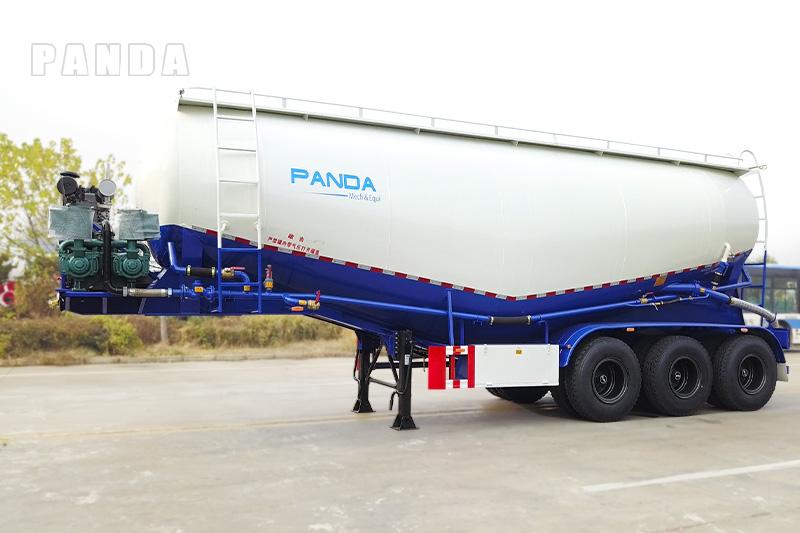
Compare Panda Mech 30T, 40T, 50T and 60T models by tank volume and axle setup. You can also see what we check before production.
Compare 30T–60T Models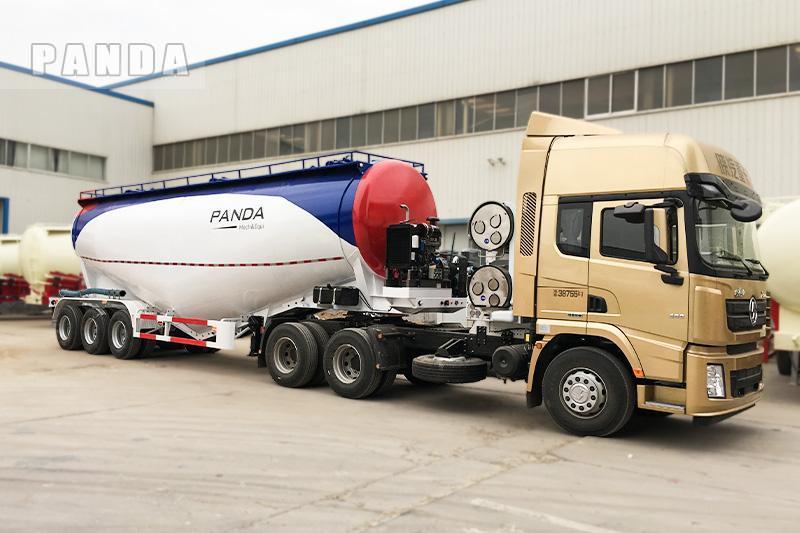
Send your cargo, target payload or volume, country and quantity. If you know your tractor and unloading details, send those too. They help us match the trailer more accurately.
Request Configuration & QuoteWe use six main project details. First, we check your cargo and how much it weighs for a given volume, called bulk density. We also check legal payload, local weight and axle limits, your tractor, road conditions and the unloading job. These details tell us the tank size, axle setup and air-powered unloading system you need. In the industry, this is called a pneumatic unloading system. A 30T, 40T, 50T or 60T model name alone is not enough.
These six details help us turn a simple tonnage request into a cement tanker that fits your actual job.
Bulk density tells us how much your powder weighs for a given volume. We use it to estimate the tank volume needed for your target cargo weight.
The weight you want to carry is not always the weight the truck can legally carry. We check the trailer, tractor and local weight limits before we confirm payload.
Local gross vehicle weight (GVW), axle limits and road conditions can reduce usable payload. They can also change the axle and suspension setup.
Your tractor must fit the trailer. We check the axle layout and the coupling height where the trailer sits on the tractor. This is called fifth-wheel height. We also check other key matching points before we confirm the setup.
Longer unloading distance can change the air flow, compressor and pipe requirements. We use the horizontal distance to match the pneumatic unloading system.
A higher silo makes the powder travel farther upward. We check the vertical lift and receiving site so the unloading system fits the job.
Use this table to compare the main model sizes. Then send us your project details so we can check legal payload, tractor fit and unloading needs.
| Model | Model Class | Tank Volume | Typical Axle Setup | Capacity Level | Typical Use | What We Confirm |
|---|---|---|---|---|---|---|
| 30T Cement Tanker | 30 ton class | 25 m³ (25 CBM) reference | 2 axles | Compact | Projects that do not need the larger 40–60T classes | Density, legal payload, route, tractor |
| 40T Cement Tanker | 40 ton class | 30 m³ (30 CBM) reference | 3 axles | Mid Capacity | General bulk cement transport | Volume, tractor, GVW, discharge site |
| 50T Cement Tanker | 50 ton class | 40 m³ (40 CBM) reference | 3 axles | High Capacity | Higher-volume bulk cement transport | Payload, GVW, tractor, unloading |
| 60T Cement Tanker | 60 ton class | 50 m³ (50 CBM) reference | 3 axles | High Capacity | Routes where local weight limits allow the larger setup | Axle loading, tractor, GVW, regulations |
The values above are reference specifications from Panda Mech model pages. Final payload can change with the empty trailer weight (tare), tractor, cargo density and local rules. We confirm the final specification for your project before production.
A 50T or 60T model name does not mean you can legally carry that cargo weight everywhere. We check the empty trailer weight, tractor weight, axle setup and local GVW and axle rules before we confirm usable payload.
30T: Start here for a smaller-capacity project or where local weight limits are lower.
40T: A practical mid-capacity starting point for general bulk cement transport.
50T: Start here when you need higher capacity and the route supports the required weight.
60T: Consider this class after checking tractor capacity, axle loading and local legal limits.
Start with the model size closest to what you need. We will then match the tank, axles, suspension and pneumatic unloading system to your actual job.
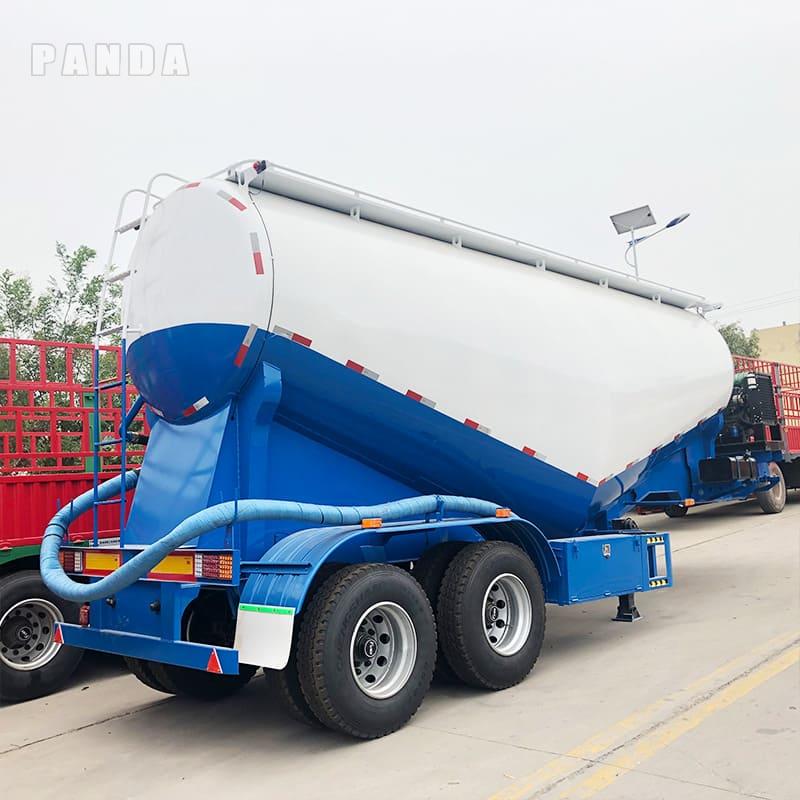
Our 30T model suits projects that do not need the larger 40–60 ton class. We match tank volume, axle layout and pneumatic unloading to your cargo density, route and legal payload.
Our 40T model is a mid-size option for bulk cement transport. We match the tank, running gear and pneumatic system to your cargo density, route, tractor and unloading site.
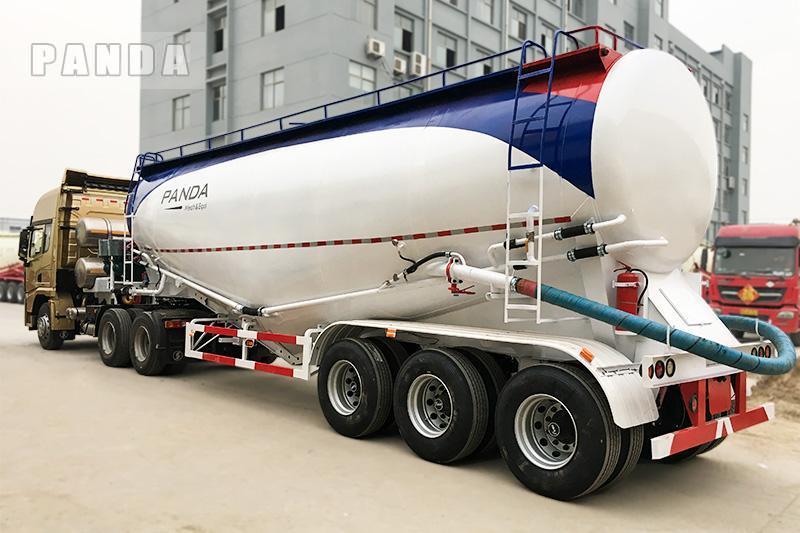
Our 3-axle 50-ton cement tanker is a core high-capacity model for bulk cement transport. Before production, we check cargo density, tractor fit, legal GVW and unloading conditions.
Your legal cargo payload depends on trailer tare, tractor weight, axle setup and local GVW and axle rules.
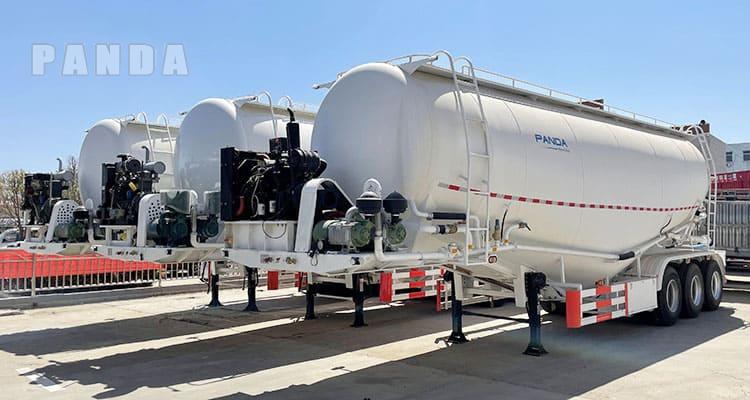
Our 60T model is for higher-capacity projects where local weight limits and the tractor support the larger setup. We check GVW, axle loading and tractor fit before we confirm the final specification.
Cargo, target payload or volume, country and quantity are enough to start. We will ask for any other technical details we need.
Optional: bulk density, tractor, unloading distance and silo height.
How you use the trailer changes what matters most. Start with the use case closest to your project.
For cement-plant transport, we match the tanker to your loading point, receiving silo, unloading distance, payload target and trip cycle.
For a fleet order, we check legal payload, trailer tare, route conditions, parts standardization and maintenance access. We can also keep the agreed specification consistent for repeat orders.
Send us your tender or technical specification. We will check the tank, axles, suspension, pneumatic system, documents and delivery scope against the setup we propose.
We match the trailer to your cargo, route, tractor and unloading site. Before production starts, we confirm the tank, axles, suspension, pneumatic system, major components and drawing with you.
We start with your cargo, legal payload, route, tractor and unloading conditions. We do not choose the trailer from a model name alone.
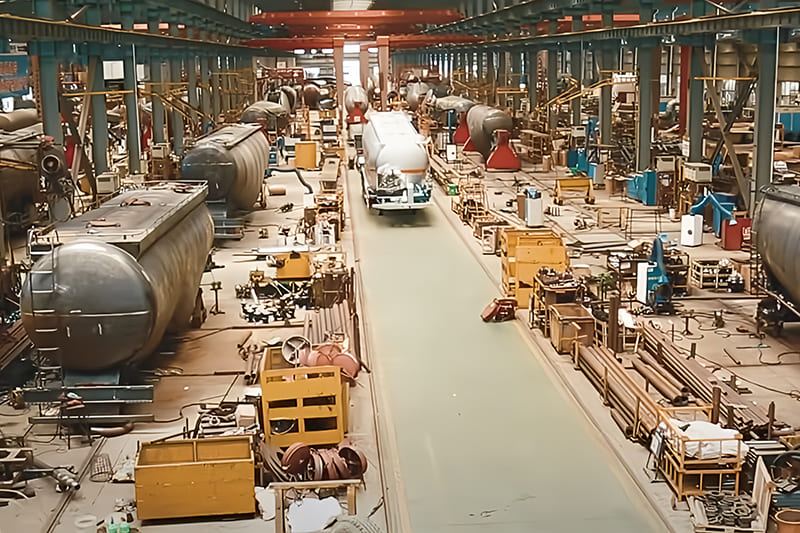
You can review tank forming, welding, fabrication and surface preparation from our cement tanker production.
We list the axles, suspension, tires, compressor, valves and other major components in the matched quotation and specification.
We start production only after the main setup and drawing are agreed. This gives both sides a clear technical scope for the order.
We show production photos so you can see how the trailer is built, not just how it looks after painting.
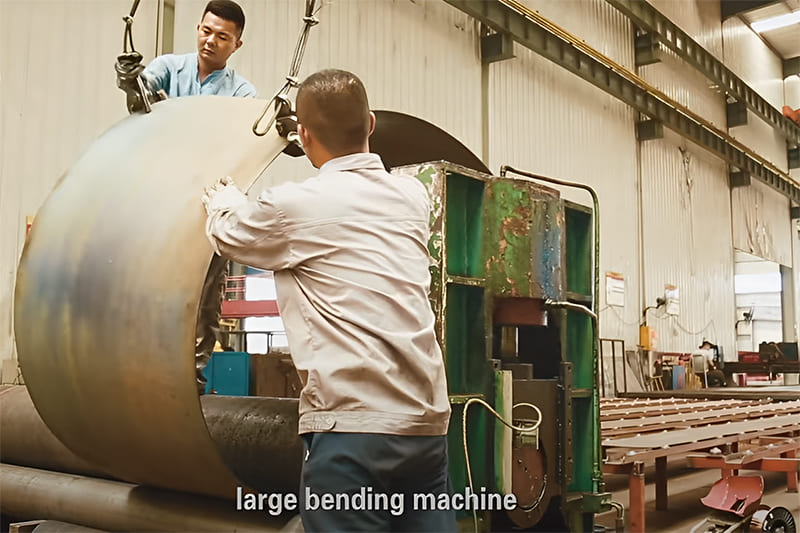
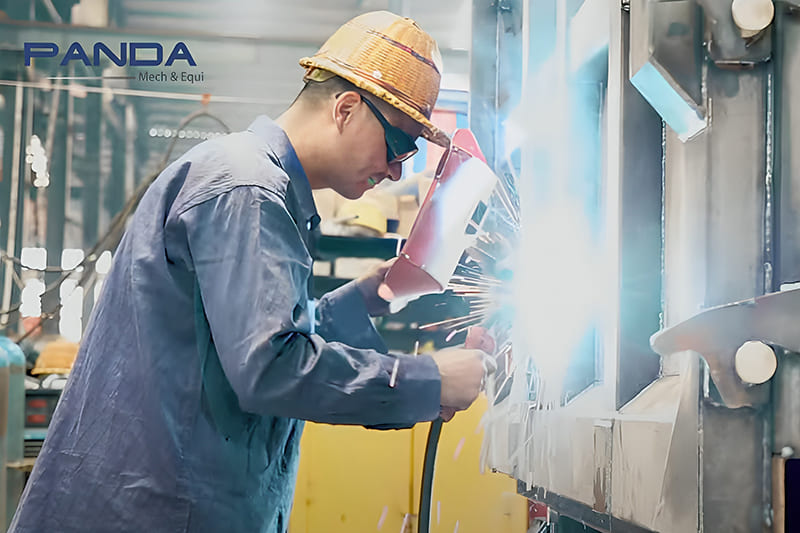

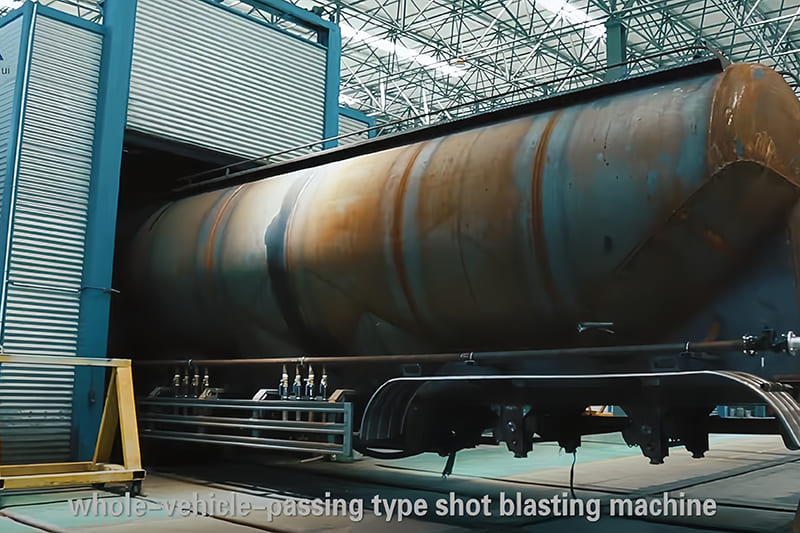
Need production photos, component details or inspection information? Tell us what you need, and we can include the relevant items with your technical quotation.
Request Manufacturing EvidenceThese project pages show real capacity, axle and order examples from different markets. Use them to see how the final setup can change with the job.
The customer planned 60 cement bulkers in batches. The first batch covered 20 units, with air suspension selected for the project.
View UAE ProjectThis project used 55-ton cement tankers with three FUWA axles. The published case lists a 6-ton tare weight for the project setup.
View Philippines ProjectThe customer first asked about a two-axle cement bulker. After reviewing Ethiopian road weight limits, Panda Mech recommended a three-axle setup instead.
View Ethiopia ProjectAsk us for production photos, project references or a factory visit before you place the order.
A 3-axle 50-ton model is a useful starting point when you need higher capacity but still want a common three-axle layout. We still check legal payload, tractor compatibility and unloading conditions before we confirm the trailer.
Before we release the final specification, we still check:
We price the trailer you actually need, not just the tonnage in the model name. Tank size, axles, suspension, pneumatic parts, options and shipping scope can all change the final price.
Tank volume, structural requirements and material specification change how much work and material the trailer needs.
Axle count, axle brand and suspension type can change the axle and suspension cost.
Compressor size and pneumatic-system requirements depend on how far and how high the powder must move during unloading.
Your required tire size, component brands, valves and accessories can change the final parts cost.
Special brands, extra equipment, documents and project-specific items can add to the quote.
The shipping term, shipping method and destination can change the total quote beyond the trailer itself.
For a useful project quote, send us five items: cargo, target payload or tank volume, destination country, quantity, and preferred component brands if you already have them. We can confirm the remaining technical details with you.
You do not need to guess the full specification yourself. We use your project information to move from a basic request to a confirmed trailer setup.
We review cargo, payload, country, route, tractor and unloading needs.
We match tank size, axles, suspension, compressor and other main components.
We send the proposed specification and quotation for your review.
We confirm the final setup and drawing before the trailer enters production.
The order should be controlled by a clear technical scope, not only by a short model name.
Final trailer setup and major components.
Agreed production and project confirmation steps.
Shipping scope and required documents.
Warranty and support scope confirmed with the final order.
These Panda Mech guides explain the size, unloading and specification questions that can change your cement tanker choice.

Compare Panda Mech cement tanker models, legal payload, unloading needs and the main specification items to check before you order.
Review capacity, tank volume, trailer dimensions and the difference between nominal model class and real project requirements.
Read Cement Tanker Capacity GuideUnderstand the loading and unloading sequence, compressor, piping, aeration and receiving-site conditions that affect discharge.
Read Pneumatic Unloading GuideReview tank, suspension, axles, tires, compressor and other common items before you compare final offers.
Read Specification GuideYes. Send us the cargo, target payload or volume, country and quantity. If you also know the bulk density, tractor and unloading conditions, we can match the trailer more accurately.
No. Give us the target cargo weight and bulk density. We can estimate the material volume first, then check a practical tank and trailer setup for your project.
We start with cargo weight and bulk density. The basic volume calculation is cargo mass divided by bulk density. We then check tank size, legal payload and practical operating space for your project.
Yes, when the parts fit the project technically. We match axles and suspension to your route, legal limits, payload and fleet preferences. We then list the agreed setup in the quote and final specification.
No. A larger model only helps when cargo density, trailer tare, tractor, axle loading and local legal limits support the extra weight.
No. Give us the cargo, horizontal unloading distance, silo height and receiving-site conditions. We use those details to match the compressor and pneumatic system.
Your cargo, unloading distance, silo height, pipe layout and receiving silo all affect unloading. These details help us match the compressor, air flow and pneumatic system.
Yes, when the requested part fits the project and is available. Put the brand in your request for quotation (RFQ), and we can include it in the matched specification and quote.
Yes. Send us the technical specification and destination country. We can check the tank, axles, suspension, pneumatic system, documents, components and delivery scope before we quote.
Cargo, target payload or volume, country and quantity are enough to start. If available, also send bulk density, tractor details, preferred component brands, unloading distance, silo height and trade term.
You do not need to choose the model first. Send us your cargo, country, target payload or tank volume and quantity. We can check which Panda Mech setup fits the project before we quote.