Bulk Cement Transport
Typical operation: cement plant or terminal → road transport → batching plant, project site or receiving silo.
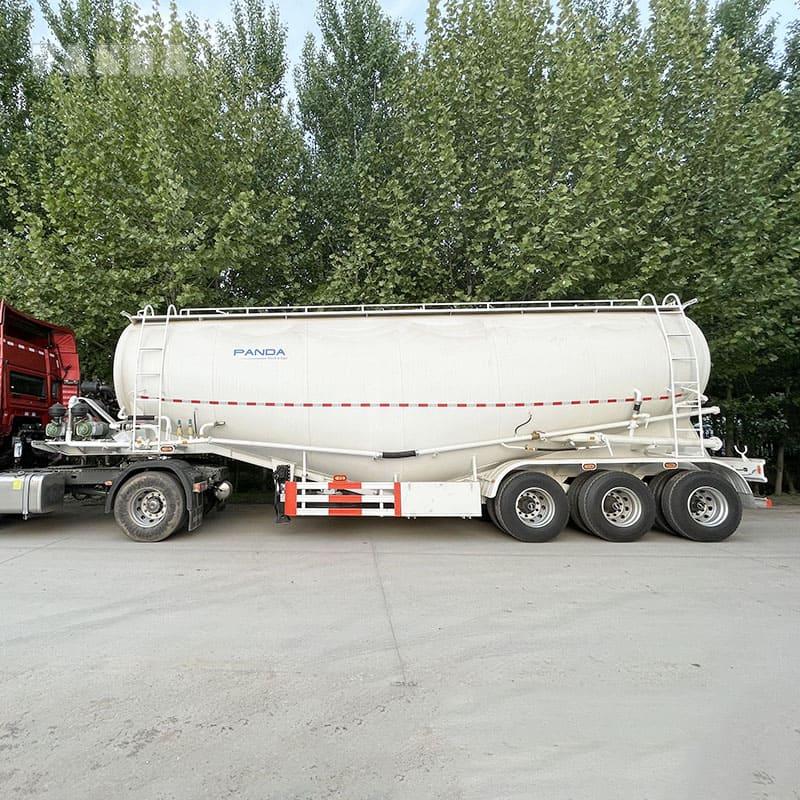
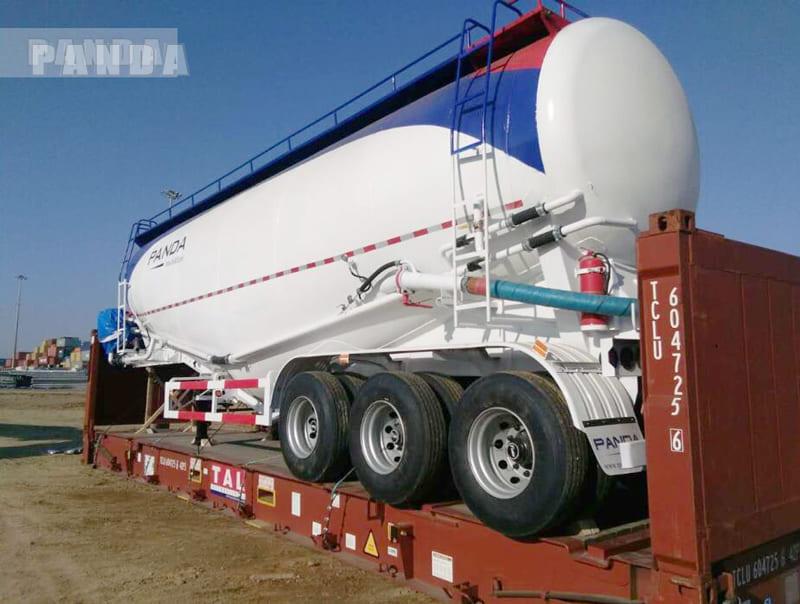
Panda Mech supplies pneumatic tanker trailers for bulk cement, fly ash, flour, starch and other supported powders. Tell us what you carry, the payload you need, where the trailer will run and how the powder must unload. We then match the tank size, axles and air-discharge system to the job, with separate food-contact and cleaning checks for food powders.
Bulk powder tanker application
You do not need to know the exact tanker model before you contact us. Start with the powder you carry. We then check payload, road limits and unloading conditions before choosing the tank size, axles and air system.
| Your Cargo | Where We Start | What We Check | Next Step |
|---|---|---|---|
| Bulk Cement | Pneumatic cement tanker | Payload, bulk density, tank volume, axles, road weight limits and discharge | Bulk Cement Application |
| Fly Ash | Fly-ash-matched pneumatic tanker | Actual density, moisture, volume, air-assisted flow and residue | Fly Ash Application |
| Flour | Food-powder tanker | Food-contact parts, previous cargo, cleaning, air quality and discharge | Flour Tanker |
| Starch / Other Food Powder | Food-powder engineering review | Exact powder, density, how it flows, cleaning and receiving silo | Check This Material |
Two tankers can look similar from the outside but work very differently. The powder changes the tank size, how easily the material flows, how it unloads and how the tanker needs to be cleaned.
Typical operation: cement plant or terminal → road transport → batching plant, project site or receiving silo.
Typical operation: power or industrial source → pneumatic road transport → storage, processing or utilization silo.
Typical buyers: flour mills, food factories and fleets transporting bulk food powder to production or storage facilities.
Starting point: confirm the exact powder first. Similar-looking powders can have different density, moisture sensitivity, flow behavior and cleaning requirements.
These are common Panda Mech starting points. They are not automatic answers. We still check your cargo, tractor, trailer weight and local road limits before we confirm the final setup.
This is a common starting point when you want to carry a high cement payload per trip. We still check the tractor, trailer weight, axle load and local road limits before confirming whether 50 tons is suitable for your route.
The 3 axle cement trailer is one of our main cement tanker setups. Three axles alone do not tell you how many tonnes you can legally carry. We also check the tractor, trailer weight, axle load and the rules on your route.
This tanker family is for flour, starch and other supported food powders. We check the parts that touch the product, cleaning method, previous cargo and unloading system separately from cement transport.
A cement plant, transport fleet, food company and project contractor do not use the trailer in the same way. Tell us how you will use it, and we will focus on the parts of the setup that matter most for your operation.
You need the tanker to move the required tonnes and feed the receiving silo reliably. We check payload, unloading distance, silo height and how often the trailer must complete a trip.
You need useful payload without creating axle-load problems. We also look at trailer weight, road condition, maintenance access and the number of trips the fleet needs to complete.
You need to protect the powder from contamination. We check the parts that touch the food, previous cargo, cleaning method, moisture and the air used to unload the tanker.
You usually need the tanker to match a project specification and the receiving system on site. Send us the road limits, silo details, unloading distance and any acceptance requirements you already have.
Payload, unloading speed, leftover powder and axle loading should be considered before you order the tanker. If they are ignored early, they can become operating problems later.
A larger tank does not automatically let you carry more tonnes legally.
Cargo density, tractor weight, trailer weight, gross vehicle weight (GVW), axle loading and route limits.
Tank volume, axle layout, suspension and chassis setup.
Possible causes include low airflow, poor aeration, wet powder, air leaks, a long hose, a high silo or high resistance in the receiving system.
We check the powder condition, air source, aeration system, pipe size, horizontal distance and silo height. Aeration means using air inside the tank to help the powder flow.
Air system, aeration, valves and discharge-pipe layout. We do not change the compressor first; we check the full conveying path before deciding what needs to change.
Common causes include wet or difficult powder, too little aeration, poor internal flow, air loss or the wrong unloading sequence.
We check the cargo, how well it becomes fluid-like when air enters it, the airflow path, the internal tank layout and your current unloading steps.
Aeration layout, internal flow path and unloading setup.
You cannot choose tank capacity without checking the tractor, trailer weight and local axle-load rules.
We check the country, tractor weight, required payload, axle count and local road limits.
Axles, suspension, tank size and the full tractor-trailer combination.
Do not assume one tanker can safely carry several different powders. We first check whether the materials and cleaning process are compatible.
For industrial powders, we check material compatibility, density and residue. For food powders, we also check previous cargo, cleaning, drying, product-contact parts and contamination risk.
Tank type, parts that touch the product, cleaning method and discharge system.
A tanker has to work with the loading system, the road journey and the receiving silo. We check all three parts before we recommend the final setup.
Tell us whether the tanker loads from a silo, hopper or another conveying system. Loading height, connection size, available space and dust-control needs can affect the tanker interface.
Tank volume does not tell you the legal payload by itself. We also check cargo density, tractor weight, trailer weight, axle loading and the road rules in the destination market.
Most cement, fly ash and powder tankers use compressed air to move powder out of the tank. Air helps the material flow toward the outlet and through the discharge line into the receiving silo.
A larger compressor is not automatically a better solution. The air system has to match the powder and the complete discharge route.
We start with what the trailer must do every day. Then we check the limits that can change the setup. Only after that do we choose the tank, axles, suspension and air system.
We tell you whether to start with a cement, fly ash or food-powder tanker based on the cargo you actually carry.
We match the payload you need with a suitable tank volume and the road limits you must follow.
We recommend an axle and suspension setup based on the tractor-trailer combination and the roads you use.
We match the air supply, aeration and discharge system to the powder and the receiving silo.
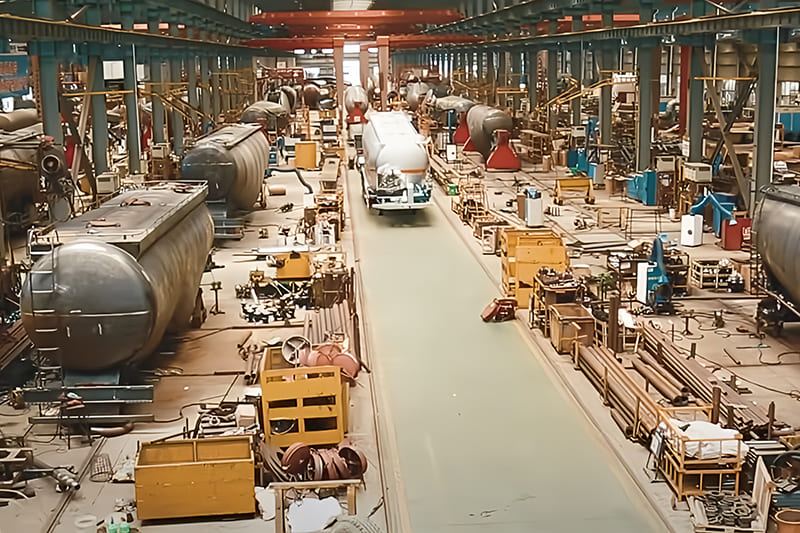
A good recommendation is only useful if the factory can build it correctly. Our manufacturing and quality pages show how we build and check the tank, chassis and compressed-air unloading system.
We build the tank and supporting structure around the required payload, cargo and final trailer setup.
View Manufacturing →
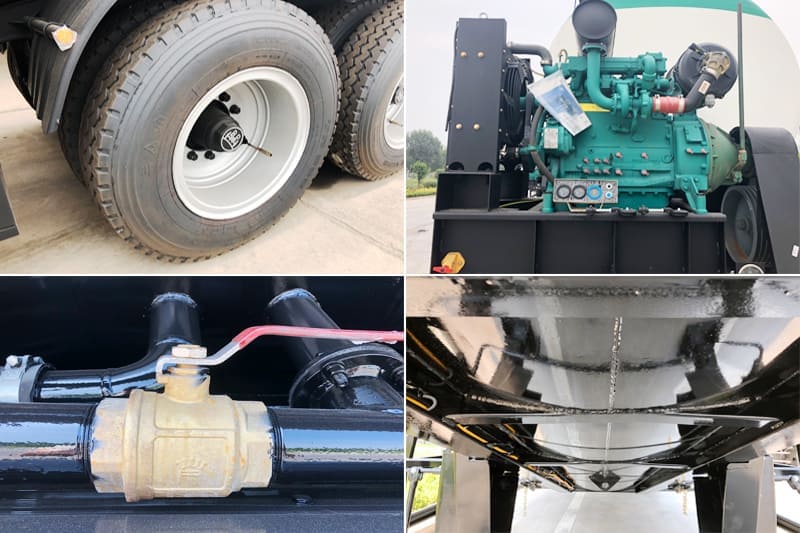
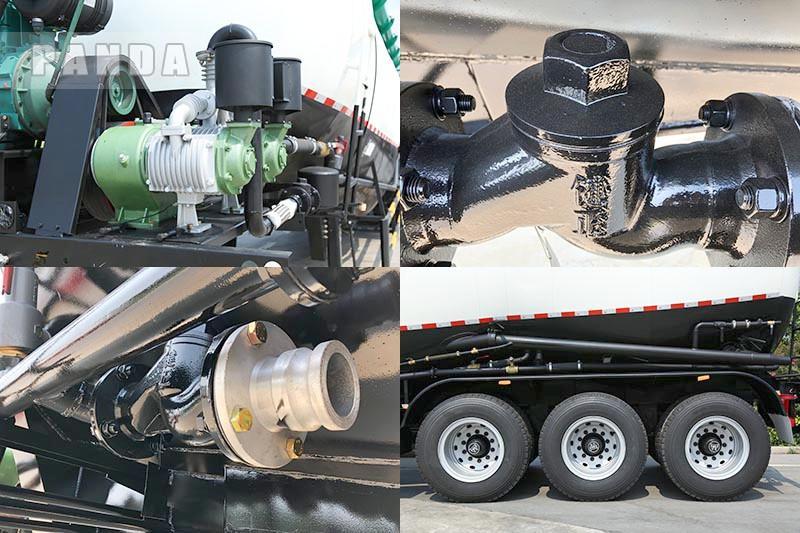
The air system, aeration, valves and discharge pipes control how the powder leaves the tank. We do not treat them as simple accessories added after the tank is chosen.
See Pneumatic System Work →
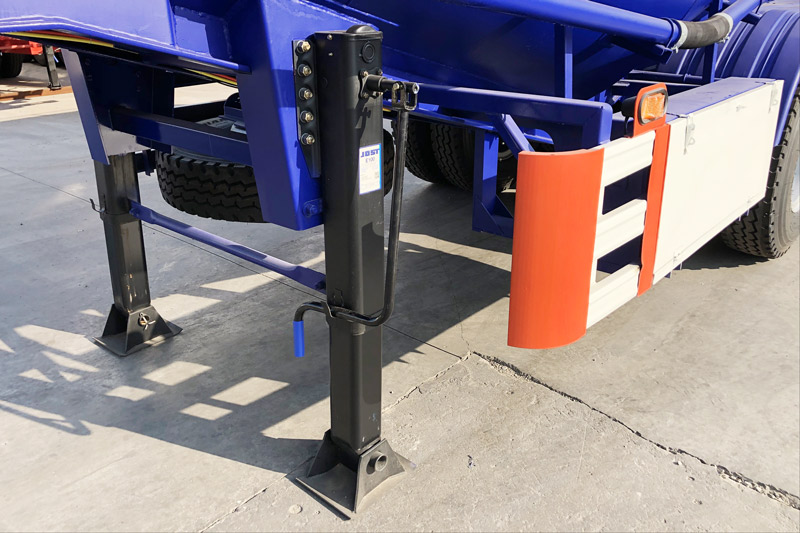
We match the axles and suspension to the load distribution, road condition and local operating requirements.
View Factory →
Before delivery, we check the tank, air system, valves and running gear against the tanker setup agreed for your job.
View Quality Control →These are the questions that usually change the first tanker recommendation. The exact setup still depends on the cargo, road limits and loading or unloading conditions.
Panda Mech currently focuses on bulk cement, fly ash, flour, starch and other supported powder applications. The exact powder still matters because density, moisture, flow behavior, cleaning and air requirements can change the tanker setup.
We do not treat an industrial cement tanker and a food-powder tanker as automatically interchangeable. Food transport can add requirements for product-contact parts, previous cargo, cleaning, drying and contamination control.
The same general pneumatic tanker family may be used in some cases, but fly ash should not be sized using cement density. We check the actual fly ash density, moisture, flow behavior, tank volume and unloading conditions first.
Tons tell you the material weight. Cubic meters tell you the tank volume. Bulk density connects the two, but road and axle limits still decide how much weight you can legally carry.
The cargo, air supply, aeration, pipe and hose layout, horizontal distance, silo height and receiving-system resistance can all affect unloading. We check the full conveying path before deciding which part of the setup needs to change.
You do not need a full technical specification before you contact us. Tell us what you carry, how many tonnes you need per trip and where the trailer will work. We can then tell you which details still affect the tank size, axles, suspension or unloading system.