
30 Ton Wheat Flour Tanker Trailer for Bulk Flour Transport
Panda Mech builds 30 ton wheat flour tanker trailers for flour mills, food plants and bulk transport fleets. We match the tank, running gear and pneumatic unloading system to your flour, route and receiving silo.
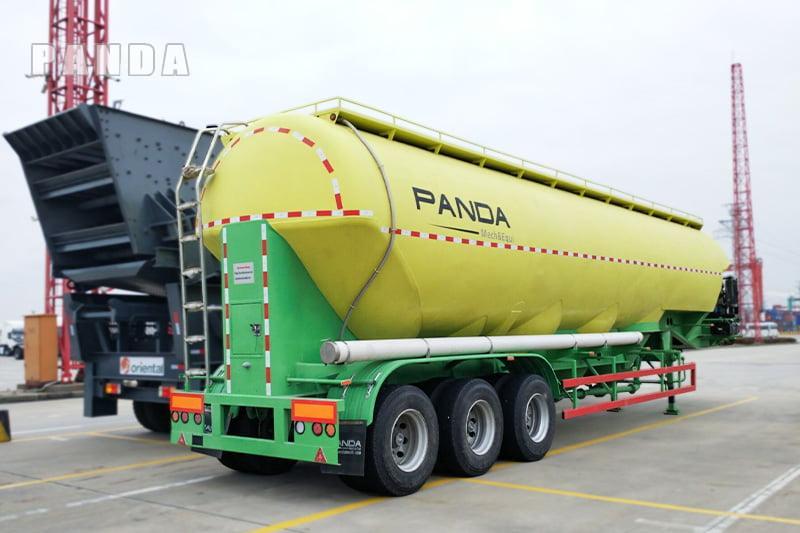
Who this tanker is for
A Good Fit for Flour Mills, Food Plants and Bulk Flour Fleets
Choose this 30 ton flour tanker when you need
- to move wheat flour from a mill or food plant directly to a silo;
- to unload bulk flour with compressed air instead of bags;
- a tank material chosen for your cleaning and food-contact needs;
- a trailer matched to your tractor, road limits and receiving silo;
- the same valves, seals, axles and service parts across a fleet.
Transporting cement, fly ash or mineral powder instead?
This tanker is built for food powders such as wheat flour. If you carry cement, fly ash, lime or mineral powder, we will use our industrial pneumatic cement tanker platform instead. We keep the two product families separate because the cargo and cleaning needs are different.
View Panda Mech cement tankers →Main specifications
30 Ton Wheat Flour Tanker — Product Basis
This table shows the current 30 ton product basis. We do not present family-range dimensions, tare or axle counts as fixed 30 ton specifications unless they are confirmed for the order.
| Product | 30 Ton Wheat Flour Tanker Trailer |
|---|---|
| Primary cargo | Wheat flour / wheat powder |
| Typical payload | About 30 tons. Final legal payload depends on flour density, empty trailer weight (tare), axle limits, gross vehicle weight (GVW) rules and your route. |
| Unloading method | Pneumatic unloading. Compressed air moves the flour from the tank into a compatible receiving silo. |
| Tank material options | Food-grade aluminum or food-grade stainless steel |
| Current unloading guidance | Typically 30–60 minutes for a full load when the flour, discharge line, silo and filter conditions are suitable. |
| Typical production time | Typically 7–25 days, depending on the trailer setup, order quantity and production schedule. |
Panda Mech Flour Tanker Family Range
Important: the values below describe the wider Panda Mech flour tanker family. They are not all fixed specifications of the 30 ton model.
| Flour tanker payload range | About 20–40 tons |
|---|---|
| Family tank volume range | 30–60 m³ |
| Family overall dimension range | 8,500–10,800 × 2,500 × 3,300–3,800 mm |
| Family tare range | 6–8 tons |
| Family axle options | 2–4 axles. We choose the final axle layout from payload, tractor, route and local road rules. |
| Suspension | Mechanical or air suspension |
| Pneumatic package (air-unloading system) | Weichai / Deutz diesel engine option. We confirm the final air system for each order. |
| Manholes | 2–4 sets, 500 mm diameter |
| Discharge valve | 4-inch disc valve |
| Brake configuration | The current Panda Mech flour-tanker specification lists a WABCO emergency valve. We confirm the final brake system for each order. |
Payload is how much flour the trailer carries. Tank volume is the space inside the tank. They are not the same. We size the tank from flour density, target tons per trip, empty trailer weight and legal road limits.
Why Panda Mech
Why Panda Mech: Factory Production, QC and Engineering Setup
You need more than a tank body. You need the tank, chassis and unloading system to work together. We build pneumatic tanker trailers in our own factory and inspect the ordered setup before shipment.
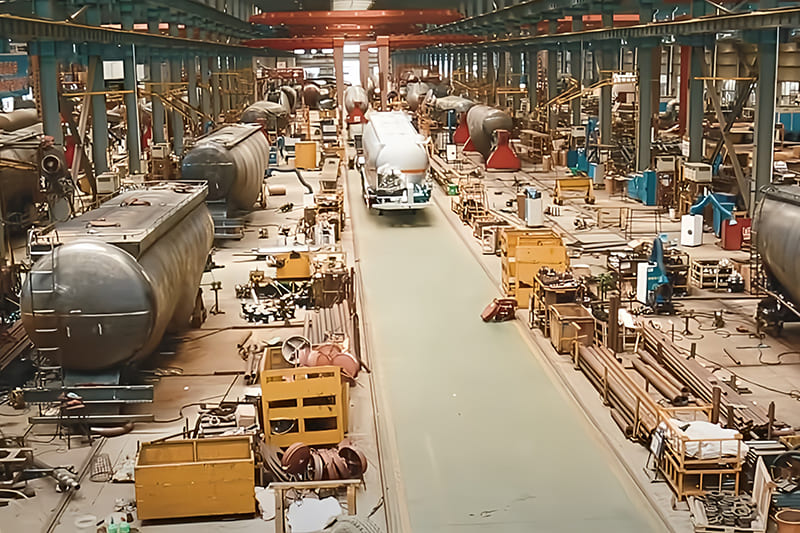
Panda Mech pneumatic tanker factory. This photo shows our factory, not an exact flour tanker model.
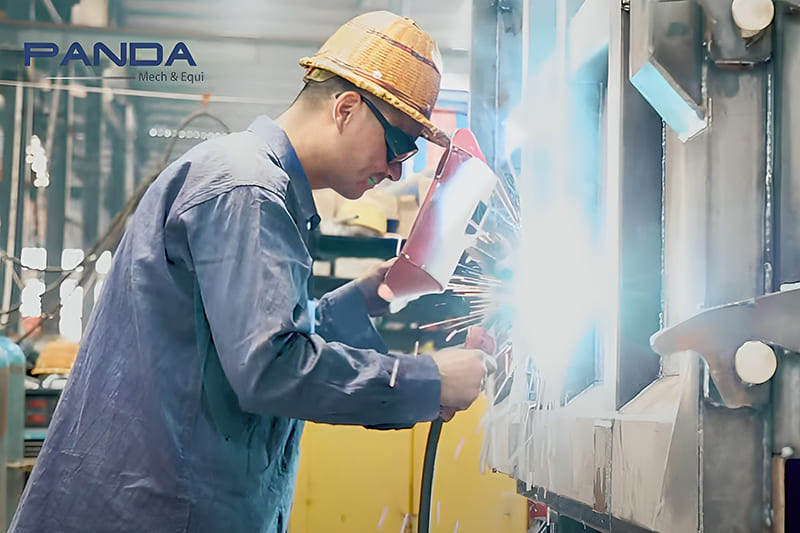
Tank and structural welding at the Panda Mech factory.
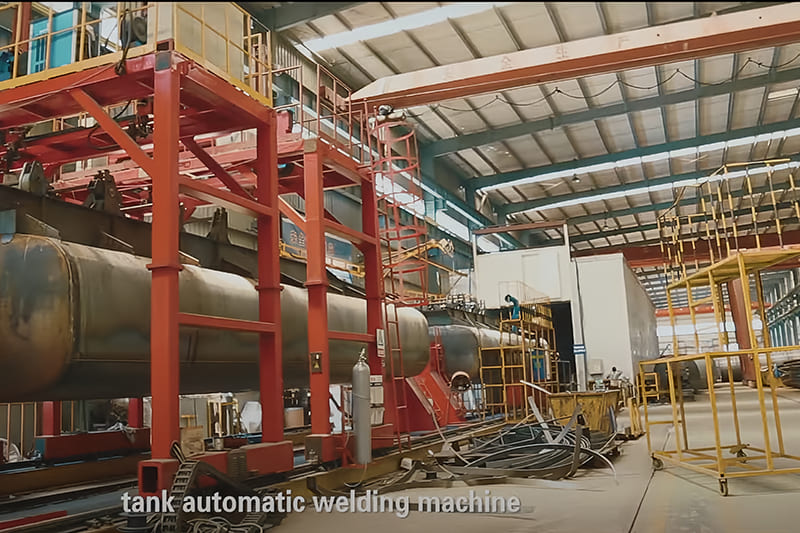
Panda Mech tanker production equipment.
What we check before shipment
- tank and pipe sealing;
- welds and visible surfaces;
- pneumatic unloading function based on the ordered setup;
- manholes, valves, seals and areas that must stay clean;
- brakes, suspension, axles and electrical parts;
- protection for sensitive parts before shipment.
If your project needs a specific food-contact grade, standard or certificate, tell us before we quote. We will confirm which documents can be supplied with the order.
Product details
Real Wheat Flour Tanker Details to Check Before You Order
These are real Panda Mech flour tanker photos. Use them to check the tank body, piping, rear access and running gear. Some close-ups crop the same real product photo to show a specific area.
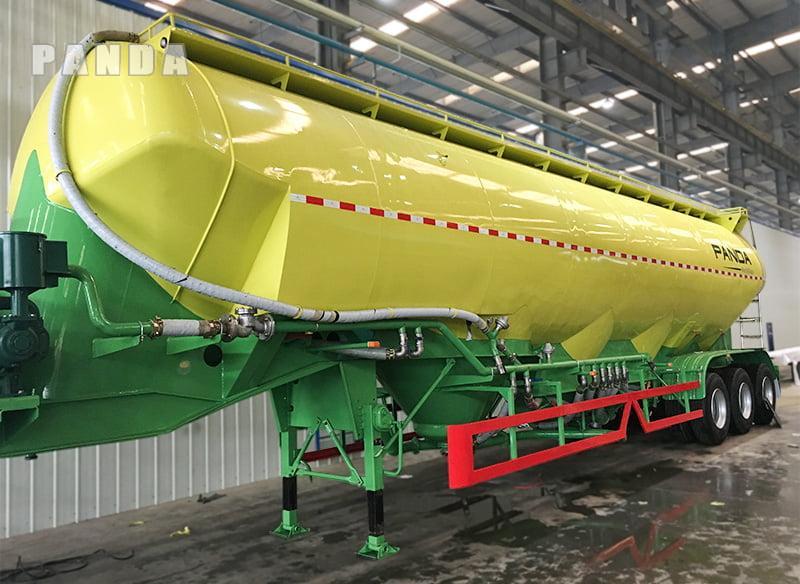
Tank body
Check the tank shape, side access and the space around the flour tank.
Pneumatic piping
The discharge pipes, valves and service access affect unloading and maintenance.
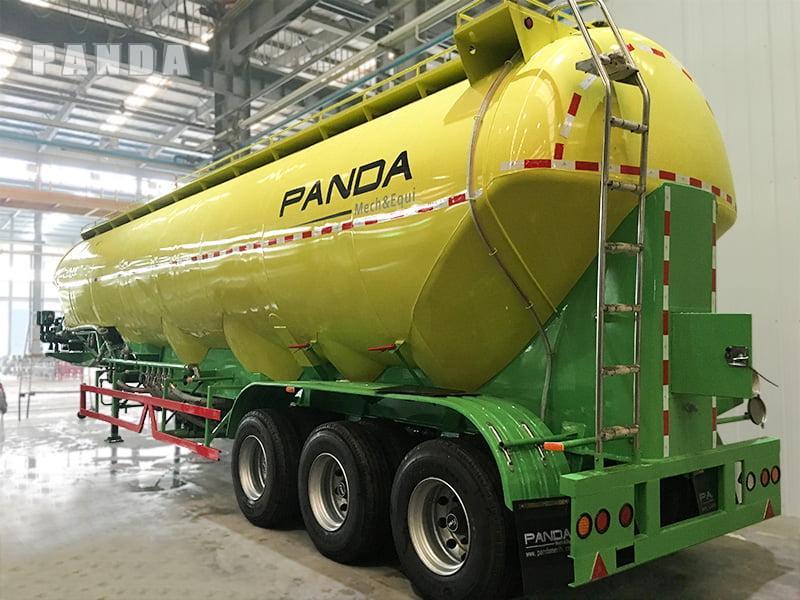
Rear access
Check the ladder, rear structure and service access. These areas matter when you inspect or service the trailer.
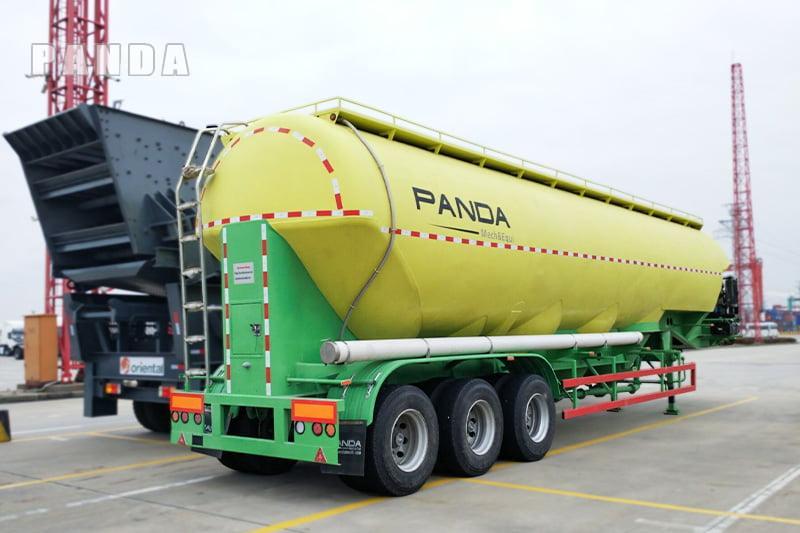
Running gear
We choose the axles and suspension from your payload, tractor, route and local road rules.
Discharge layout
We match the discharge pipe and connection to your line and receiving silo. The trailer and silo must work as one unloading system.
Finished build
Check the finished trailer for access, frame layout and overall road setup before you approve the final specification.
Tank material
Choose Aluminum or Stainless Steel for Your Flour Tanker
Food-grade aluminum tank
Choose aluminum when lower empty weight is important. A lighter tank can help payload efficiency where road limits matter. We still confirm the tank size, structure and material documents before quoting.
Food-grade stainless-steel tank
Choose stainless steel when cleaning, corrosion resistance or material documentation matters more. Tell us the grade or food-contact standard you need, and we will confirm it for the order.

Flour can stay behind around surfaces, openings, valves and pipework. We review these areas because they affect residue, moisture entry and cleaning access.
How We Design for Cleaner Flour Handling
Our current flour tanker uses a conical tank shape to help flour move toward the discharge outlet. We also check the surfaces, manholes, valves, pipes and seals. These areas affect leftover flour, moisture entry and cleaning access.
- Conical tank shape: helps guide flour toward the discharge outlet. We do not use one residue percentage for every project because actual residue depends on the cargo and unloading conditions.
- Sealed openings: we check manholes, valves and fittings because moisture and dirt can enter at these points.
- Cleaning access: tell us if you use dry cleaning, blow-down or wet cleaning. We consider this when choosing the tank material and components.
- Changing cargo: tell us the previous and next cargo. Allergens, odor and cross-contamination limits may change the cleaning plan.
Internal surfaces
Cleaner, accessible surfaces make it easier to inspect and remove flour left after unloading.
Discharge direction
The tank and discharge path should help flour move toward the outlet instead of leaving avoidable hold-up areas.
Cleaning access
Manholes, valves and service points should be reachable for the cleaning method used by your operation.
Sealing
We check openings, seals and fittings because moisture or dirt can enter at these points.
Starch, sugar powder, milk powder and cocoa powder do not always need the same setup as wheat flour. Tell us the exact cargo, and we will check its flow and cleaning needs separately.
A good tanker can still unload slowly if the silo or pipework restricts airflow. Send us the silo height, discharge distance, pipe size, bends and filter capacity.
Backpressure is the pressure that resists airflow in the receiving system. We use these site details to match the pneumatic package and discharge layout.
We Match the Flour Tanker to Your Receiving Silo
A good flour tanker can still unload slowly if the receiving silo or pipework restricts flow. Send us the silo height, discharge distance, pipe size, number of bends, filter capacity, backpressure and target unloading time. Backpressure is the pressure that resists air flow in the receiving system. We use this data to choose the pneumatic package and discharge layout.
- receiving silo height and inlet position;
- horizontal hose or pipe distance;
- pipeline diameter and bends;
- receiving silo filter capacity;
- silo backpressure, or pressure that resists air flow;
- flour condition and moisture;
- target unloading time.
Current Panda Mech guidance is about 30–60 minutes for a full load when site conditions are suitable. We check the pipework, filter and silo before using this as a project target.
How the unloading system works
This diagram explains the basic flow only. We confirm the final piping and pneumatic package for each order.
How we size the trailer
Send Us These 6 Details — We’ll Configure the Tanker
A 30 ton label is not enough to finish the design. Send us these six details. We use them to choose tank volume, running gear and the unloading setup.
| Your operating condition | What we change |
|---|---|
| Maximum legal payload matters most | We compare tank material, empty weight, tank volume and road limits before choosing the axles. |
| High silo or long discharge line | We check air supply, pipe length and bends, filter size and backpressure before setting an unloading target. |
| Frequent cargo changes | We add your cleaning method, cross-contamination limits and material-document needs to the build specification. |
| Humid operating environment | We give extra attention to sealing, moisture control and how the flour flows. |
| Fleet order | When possible, we keep valves, seals, axles, service parts and cleaning steps the same across the fleet. |
Price and delivery
30 Ton Wheat Flour Tanker Price and Quote Factors
There is no single correct price for every 30 ton flour tanker. Price changes with tank volume, material, axles, suspension, pneumatic unloading system, documents and quantity. We quote the setup you actually need.
Tank and food-contact needs
Aluminum or stainless steel, tank volume, material documents, manholes, seals and food-handling fittings all affect the price.
Axles, suspension and unloading system
Axle count, suspension, brakes and the pneumatic package all change the price. They also affect how well the trailer fits your route and unloading site.
Quantity and shipping
Order quantity, destination port and shipping arrangement also affect the final quote.
| What changes the price? | Why it matters |
|---|---|
| Tank material | Aluminum and stainless steel use different materials and fabrication requirements. |
| Tank volume | Tank size changes material use and the final trailer setup. |
| Axles and suspension | Running gear changes chassis cost and must fit your route. |
| Pneumatic system | The air package and discharge layout must match your unloading site. |
| Required documents | Material or food-contact document requirements can change the order specification. |
| Quantity and destination | Fleet quantity, port and shipping plan affect the final quotation. |
Panda Mech generally uses 30% deposit and 70% balance before shipment. Production is typically 7–25 days, depending on the trailer setup and order quantity. Shipping time is separate and depends on the destination.
After-sales planning
Plan Service and Spare Parts Before the Tanker Ships
For a fleet or repeat-use tanker, service planning should start before delivery. Tell us which parts you want to standardize and what service documents your team needs.
Spare-parts planning
Confirm the seals, hoses, valves and normal service parts used on the ordered build so your team knows what to stock.
Technical information
Include any operating, maintenance or component-document needs in the order so we can confirm what will be supplied.
After-sales route
For Panda Mech service information, use our after-sales service page or send the trailer specification with your service request.
Request for quotation (RFQ)
Send These Details for an Accurate Flour Tanker Quote
A message that only says “price for flour tanker” is not enough to size the trailer correctly. Send the details below, and we can quote the tank, axles and unloading system that fit your job.
Cargo and trailer
- destination country, port and order quantity;
- exact cargo and its bulk density;
- target payload and preferred tank volume, if known;
- preferred tank material: aluminum or stainless steel;
- food-contact grade, standard or documents you need;
- tractor details and any axle, suspension or tire requirements.
Cleaning and unloading site
- cleaning method and the previous or next cargo;
- allergen or cross-contamination limits;
- silo height and horizontal discharge distance;
- pipeline diameter and number of bends;
- receiving silo filter capacity and known backpressure;
- target unloading time.
FAQ
30 Ton Wheat Flour Tanker FAQ
How much wheat flour can this tanker carry?
The current Panda Mech model basis is about 30 tons. Final legal payload depends on flour density, tank volume, empty trailer weight, axle limits, GVW rules and your route.
What tank volume is available for a 30 ton wheat flour tanker?
Panda Mech’s current flour tanker range covers 30–60 m³. We choose the tank volume from your flour density and target payload. Cubic meters do not convert directly into tons.
Is the wheat flour tanker food-grade?
Panda Mech offers food-grade aluminum and stainless-steel tank options for flour projects. If you need a specific grade, food-contact standard or certificate, tell us which one. We will confirm the required documents before the order.
How long does pneumatic unloading take?
Current Panda Mech guidance is about 30–60 minutes for a full load when conditions are suitable. Actual time depends on the flour, air supply, pipe length and size, bends, silo height, filter capacity and backpressure.
How much does a 30 ton wheat flour tanker trailer cost?
We price the tanker from tank volume, material, axles, suspension, pneumatic system, required documents, quantity and destination. Send these details for an accurate quote.
Can Panda Mech customize a wheat flour tanker for my country?
Yes. We can configure the trailer around your cargo, target payload, tractor, road limits and receiving silo. But the country name alone is not enough to confirm legal axle or GVW limits. Send us the road or route requirements used in your operation.
How long does Panda Mech need to manufacture a flour tanker?
Typical production is 7–25 days, depending on the trailer setup, quantity and production schedule. Shipping time is separate and depends on the destination.
Can the same tanker carry starch, sugar powder or milk powder?
Not automatically. Tell us the exact cargo, cleaning method, previous or next cargo, and cross-contamination limits. We check each food powder separately before confirming that one tanker setup can handle both.
What information should I send before ordering a flour tanker?
Send the exact cargo, bulk density, target payload, destination, preferred tank material, quantity and receiving-silo information. If you know the tractor or road limits, send those too.