
We do not size the trailer from tonnage alone. We check cargo density, required payload, tank volume, air system, discharge distance and the receiving silo before we confirm the setup.
Pneumatic Dry Bulk Trailer Manufacturer
Pneumatic Dry Bulk Trailer for Cement, Fly Ash & Industrial Powder
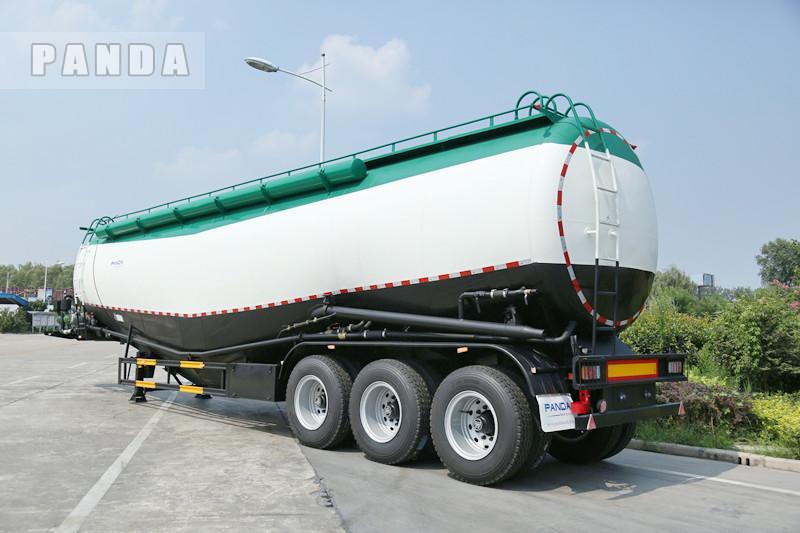
Panda Mech manufactures dry bulk tanker trailers for cement plants, bulk transport fleets and industrial projects. We configure payload, tank volume, axle layout and pneumatic unloading around your cargo, route, tractor and receiving silo.
Quick AnswerSend Panda Mech your cargo, destination country, target payload, tractor and unloading conditions. Our engineers will recommend the tank volume, axle configuration and pneumatic system first, then prepare the factory quotation for the configuration that fits the job.
Cement · Fly Ash · Lime30–60 Ton Mainstream Configurations2 / 3 / 4 Axle Options>1.5 t/min Pneumatic Unloading
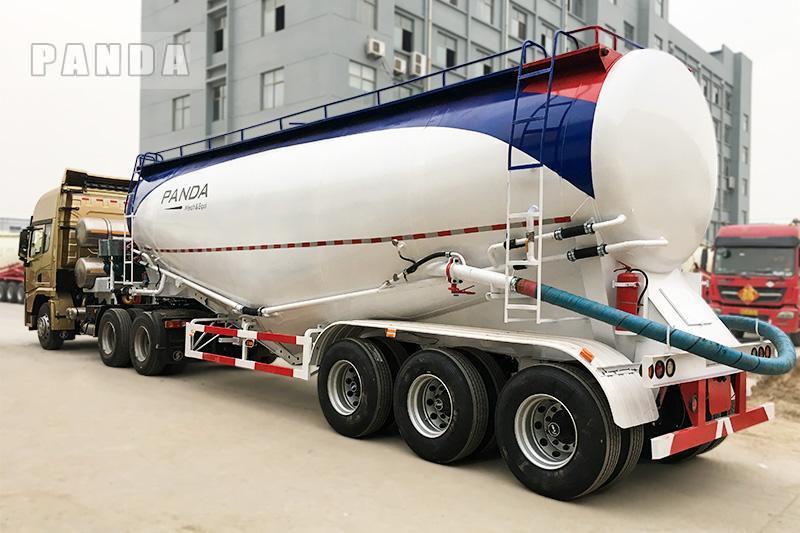
Factory-Built Pneumatic TankersConfigured for cargo, route, tractor and silo conditions.
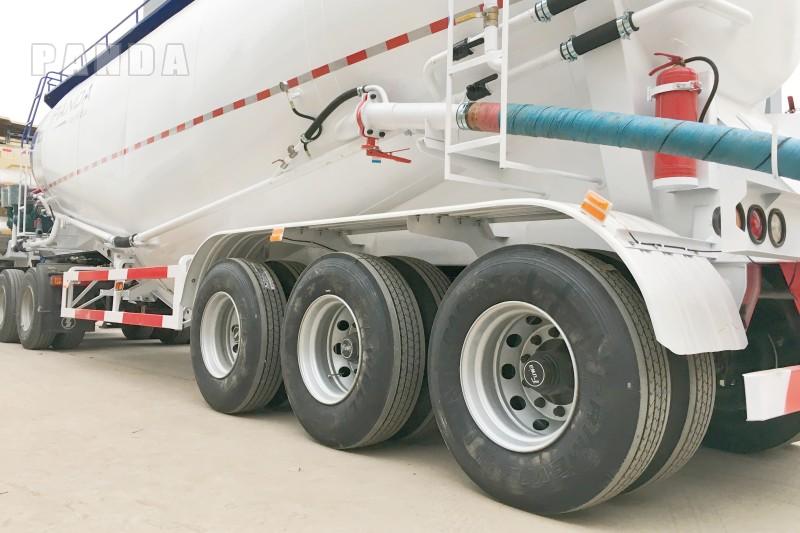
Representative Panda Mech pneumatic dry bulk tanker. Your final trailer is built to the specification we confirm with you.
Dry Bulk Trailer Models
Compare Our Main Dry Bulk Trailer Configurations
Start with the payload and tank volume you need. Then we check your cargo density, local road and axle limits, tractor, and unloading site before we confirm the final dry bulk tanker trailer.
| Recommended Configuration | Tank Volume (m³ / approx. cu ft) | Payload Class | Axle Layout | Best For | Next Step |
|---|---|---|---|---|---|
| 30 Ton Dry Bulk Trailer | 25 m³ / ≈883 cu ft | 30 ton | 2 axle | Smaller loads or routes that suit a more compact trailer. | View 30T model |
| 40 Ton Dry Bulk Trailer | 30 m³ / ≈1,059 cu ft | Approx. 40 ton | 3 axle | Medium-duty cement and industrial-powder transport. | Confirm cargo density + local limits |
| BEST SELLER 50 Ton Dry Bulk Trailer | 40 m³ / ≈1,413 cu ft | Approx. 50 ton | 3 axle | Our best-selling starting point for cement and fly-ash transport. | View 50T model |
| 55 Ton Dry Bulk Trailer | 45 m³ / ≈1,589 cu ft | 55 ton | 3 axle | Fleet transport where local road and axle limits allow the higher payload. | View 55T model |
| 60 Ton Dry Bulk Trailer | 50 m³ / ≈1,766 cu ft | 60 ton | 3 or 4 axle | Heavy-duty transport where axle load and local road limits must be checked. | 3 axle · 4 axle |
| 80 / 85 Ton Heavy-Duty Configuration | Project specific | 80 / 85 ton available | Project specific | Heavy-duty projects where the tractor, roads and local axle limits can support this setup. | Send route and tractor details |
Capacity note: m³ tells you tank volume; tonnes tell you payload weight. They are not the same. The cu ft figures are rounded unit conversions for buyers who use cubic feet. Final payload still depends on cargo bulk density and local road limits.
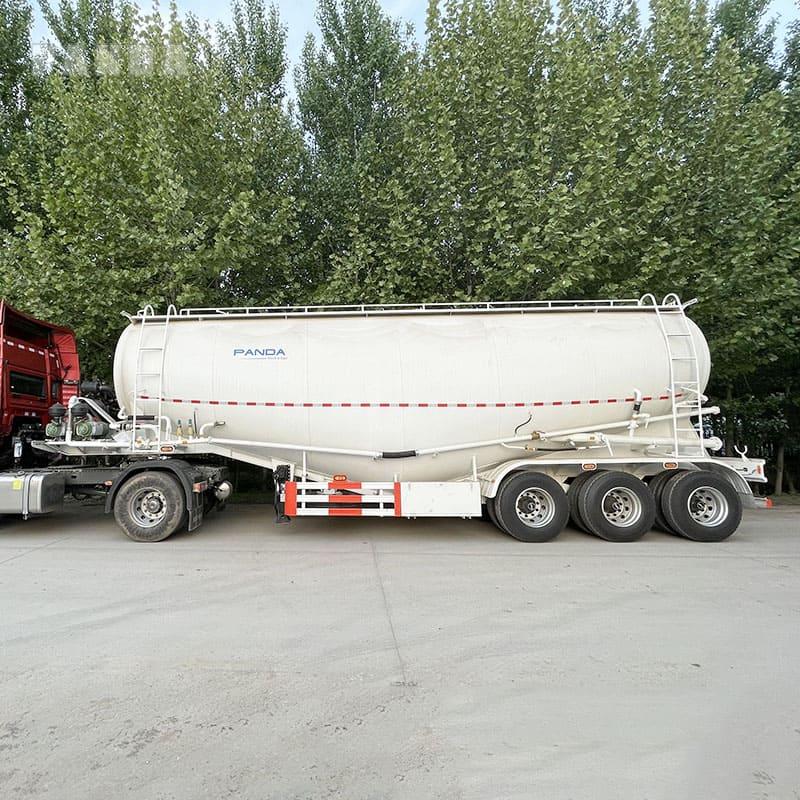
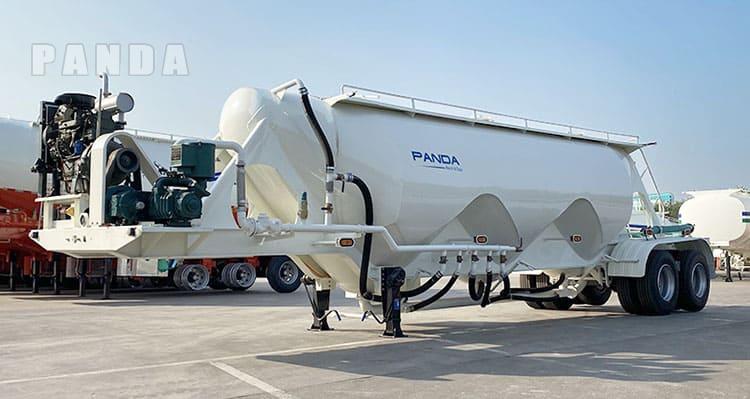
Why Panda Mech
What You Get With a Panda Mech Dry Bulk Trailer
We turn your operating conditions into a buildable trailer specification. The goal is simple: the right tank size, running gear and unloading system for the cargo and route you actually use.
We check gross vehicle weight (GVW), axle layout, tractor, roads and unloading conditions first. This reduces the risk of quoting a trailer that does not fit your actual operation.
We manufacture Panda Mech dry bulk trailers in our own factory. The approved specification controls the tank, running gear, pneumatic system and project options.
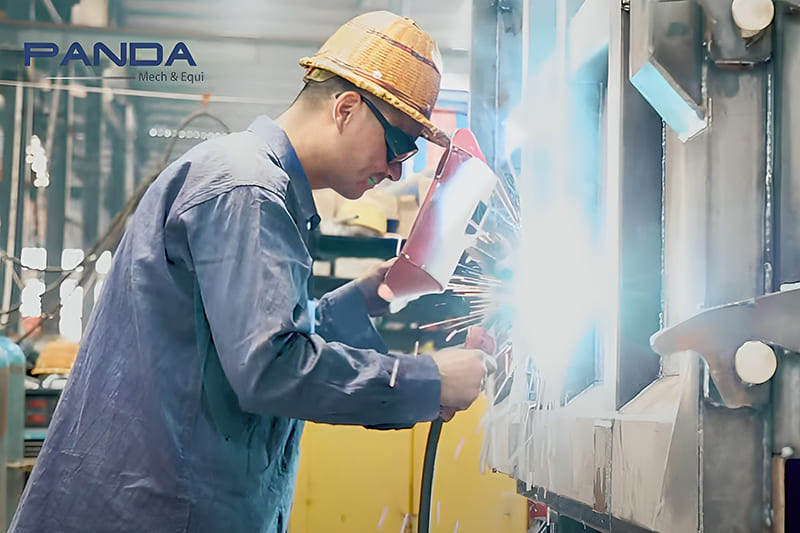
Our quality-control process covers tank fabrication, welds, air sealing, valves, pipelines, axles, brakes, dimensions and shipment preparation.
For multi-unit orders, we can keep axle, suspension and key component choices consistent across the fleet. This makes parts planning and maintenance easier.
We offer 2-, 3- and 4-axle configurations and match the running gear to payload, local road limits, tractor compatibility and service needs.
Cargo Applications
Tell Us the Powder First—We Configure the Tanker Around the Cargo
This dry bulk trailer family is for fine industrial powders that need sealed transport and pneumatic unloading. Compressed air moves the powder from the tank into a silo or receiving line.
Recommended Industrial Powders
- Cement
- Fly ash
- Lime powder
- Limestone powder
- Gypsum powder
- Other suitable mineral powders after we check the material
Choose a Different Tanker for These Materials
Flour, starch and other food powders: use our separate Food Powder / Flour Tanker route so hygiene and food-powder requirements are handled separately.
Wet, sticky, corrosive, combustible or very abrasive materials: send us the material details first. We will check whether this tanker type is suitable.
Grain or aggregate unloaded by gravity: you need a hopper or commodity trailer, not this pneumatic powder tanker.
Product Engineering
What We Engineer Before We Lock the Dry Bulk Trailer Specification
A pneumatic dry bulk trailer works as one system. Tank shape, air supply, discharge piping, running gear and fabrication all affect how the trailer carries and unloads powder. We check these parts together instead of treating them as separate options.
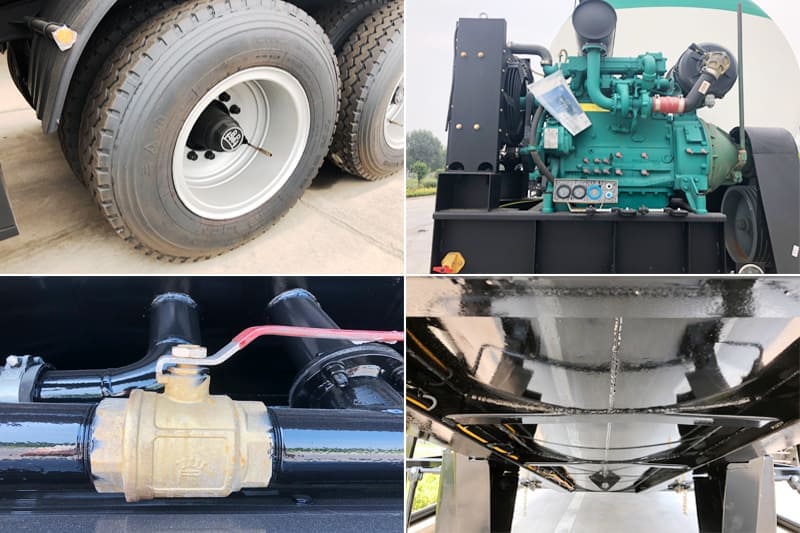
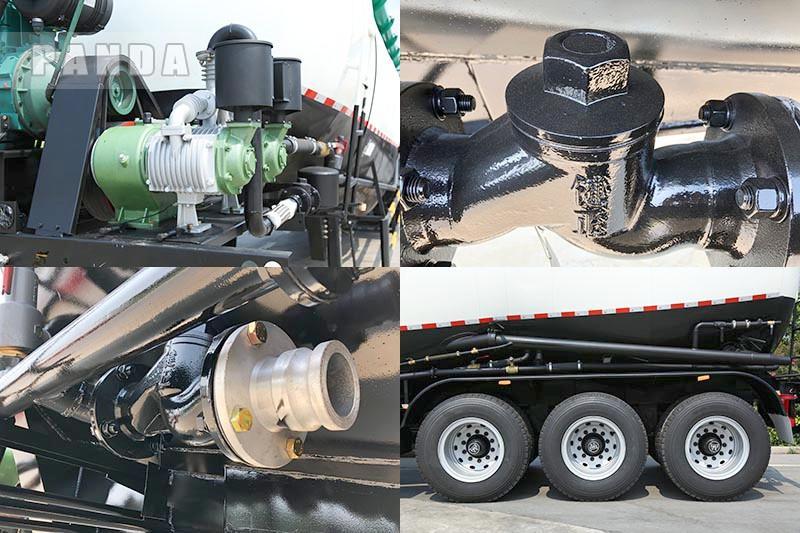
Air System, Valves & Discharge Line
The compressor, valves and discharge pipe must work together. We match the air side to the powder and the receiving silo instead of choosing one compressor setup for every project.
Why it matters: air leaks, long hoses and poor valve or pipe matching can slow unloading.
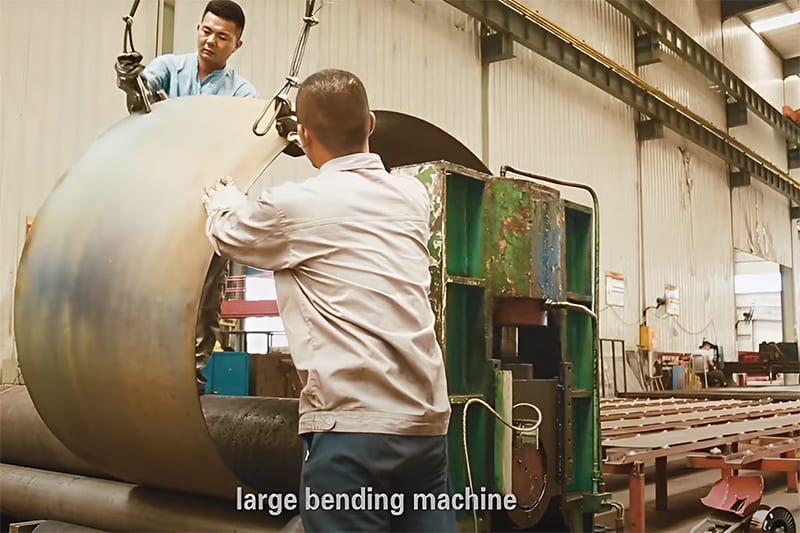
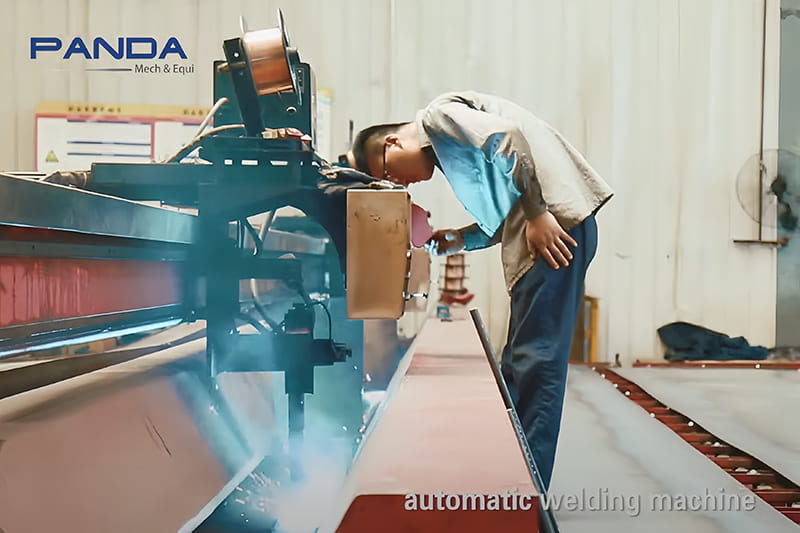
Tank Forming & Geometry
Tank geometry affects available volume, powder flow and how the structure carries load. We finalize the tank around the selected payload, cargo and trailer layout.
Why it matters: the tank must provide enough volume without ignoring trailer weight or road limits.
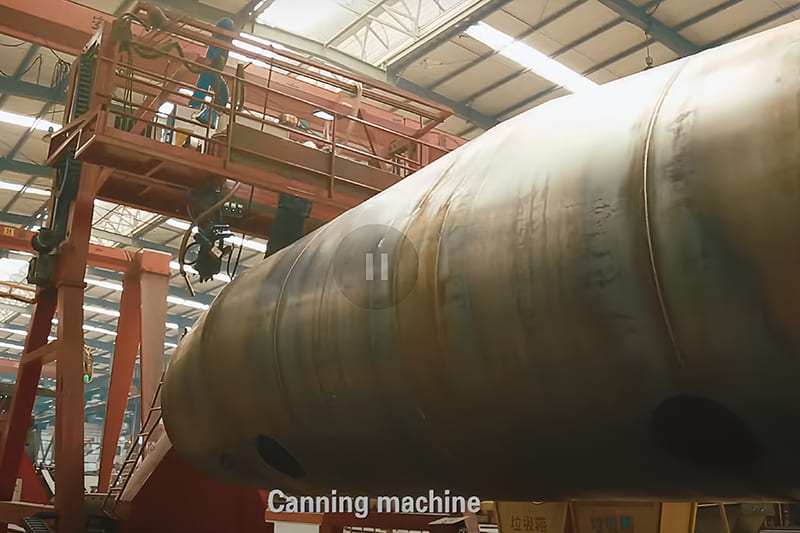
Tank Structure & Fabrication
We treat tank-shell specification and trailer structure as separate engineering items. The final build sheet controls material, thickness and structural details for the chosen model.
Why it matters: strength, empty weight and fatigue duty must be balanced for the route.
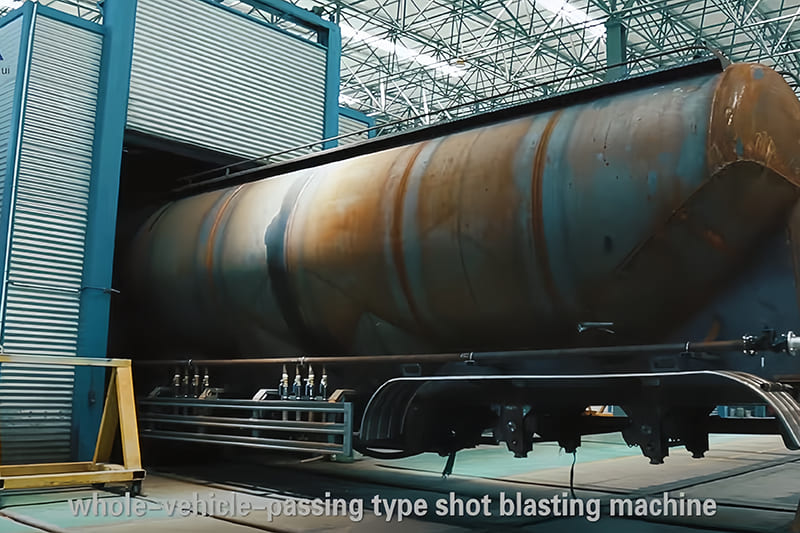
Surface Preparation & Final Build Quality
Factory preparation and final inspection are part of the release process before shipment. We check finish, accessories and the confirmed configuration before the trailer leaves the factory.
Why it matters: consistent preparation helps reduce avoidable delivery and early-service issues.
How We Choose the Setup
How We Choose the Right Dry Bulk Tanker Setup
The right setup depends on six things: your cargo, payload, local road limits, tractor, air system and receiving silo. We check them before we quote.
01 · CargoPowder type, moisture and loose bulk density.
02 · Payload + VolumeHow much powder you need to carry and how much tank space it needs.
03 · GVW + AxlesEmpty trailer weight, local road limits, axle count and suspension.
04 · TractorKingpin, fifth wheel and tractor compatibility.
05 · Pneumatic SystemAir source, compressor, discharge pipe and target unloading rate.
06 · Receiving SiloSilo height, discharge distance, airflow resistance and filter condition.
Cargo density
Bulk density tells us how much space your powder needs for a given weight. We use it to avoid choosing a tank that is too small or unnecessarily large.
Road and axle limits
A trailer may be strong enough to carry a load but still exceed local road limits. We check gross vehicle weight (GVW), axle limits, dimensions and permit requirements for your market before we confirm the setup.
Road condition
Rough roads need stronger attention to the structure, axles, suspension and service access. Long-haul fleets may care more about empty weight, fuel use, easy maintenance and using the same parts across the fleet.
Receiving silo
We ask for silo height, discharge distance and pipe bends. These details affect how much airflow the system needs and how fast the trailer can unload.
Pneumatic Unloading
Fast Pneumatic Unloading: >1.5 t/min
Panda Mech cement and industrial-powder tankers use an unloading baseline above 1.5 t/min under suitable conditions. We match the compressor, powder-aeration system and discharge pipe to your cargo and silo. The aeration system uses air to help the powder flow toward the outlet.
- Cargo moisture, density and how easily the powder flows with air
- Air source and compressor condition
- Tank sealing, valves and air leakage in the discharge line
- Hose length, pipe diameter, bends and vertical lift
- Airflow resistance at the silo and the condition of its filter
What We Need to Know About Your Silo
Send us the silo height, horizontal discharge distance and any known filter or airflow limits. These details help us choose the air system before quotation. One compressor size does not suit every unloading site.
Three Ways to Supply Unloading Air
Independent diesel engine + compressor: use this when the trailer needs its own air supply for unloading.
PTO-driven system: the tractor powers the unloading system through its power take-off (PTO). We use this option when the tractor supports it.
External plant air: this can work when the unloading site already has a reliable air supply with the right pressure and flow.
Compressor airflow is measured in m³/min. Powder unloading rate is measured in t/min. They are different values, so we check both separately.
Axle & Route Fit
2, 3 or 4 Axles: We Match the Layout to Payload, Route and Tractor
2 Axles
A common starting point for smaller loads when the route, payload and tractor suit a 2-axle setup.
3 Axles
The common layout for several Panda Mech models, including our best-selling 50 ton / 40 m³ dry bulk tanker.
4 Axles
Used for heavier-duty projects when local axle limits and the route support a 4-axle setup.
| Axle Layout | Common Panda Use | Good Choice When | Confirm Before Ordering |
|---|---|---|---|
| 2 axle | Smaller dry bulk configurations | Your payload and route suit a more compact setup. | Local GVW and axle limits |
| 3 axle | Mainstream 40–60 ton configurations | You need a common fleet layout for medium to heavy transport. | Route, tractor and legal axle load |
| 4 axle | Heavy-duty project configurations | Axle-load distribution or project duty supports four axles. | Legal axle limits, dimensions and tractor match |
Send before quotation: your destination country, road type, known GVW or axle limits, tractor model, fifth-wheel and kingpin details, brake/electrical requirements, suspension preference and local parts needs.
Tank & Chassis
We Choose the Tank and Chassis Specifications Separately
The tank body, chassis, axles and suspension do different jobs, so we specify them separately. This helps us balance strength, empty weight, road condition and maintenance needs for your project.
Tank shell
We choose the tank-shell material and thickness based on the cargo, required strength, corrosion risk, empty weight and selected payload/volume. We confirm the exact grade and thickness for the chosen model.
Chassis / structure
We choose the chassis structure for the road conditions, axles, suspension and long-term fatigue load. The tank material and chassis material are listed separately in the final specification.
Suspension
We can use mechanical or air suspension. We choose between them based on your roads, local maintenance support, ride needs and fleet standard.
Manufacturing & Quality Control
200+ Quality-Control Checks Before Shipment
Our 200+ quality-control checks focus on the parts that affect strength, air sealing, unloading and safe road operation.
| What We Check | What We Inspect | Why It Matters |
|---|---|---|
| Tank & welds | Tank structure and weld quality | Supports structural durability and tank integrity |
| Air sealing | Tank and pneumatic lines for leakage | Air leaks can reduce unloading performance |
| Valves & pipeline | Connections, valve operation and confirmed piping setup | Helps reduce flow problems and unexpected leakage |
| Axles, suspension & brakes | Running gear against the approved build | Supports road reliability and easier fleet maintenance |
| Dimensions & accessories | Key dimensions and ordered accessories | Confirms the trailer matches the approved specification |
| Finish & shipment | Surface finish, accessories and shipping preparation | Reduces avoidable delivery and handover problems |
Real Panda Mech Projects
Real Fleet Projects: How We Match the Trailer to the Job
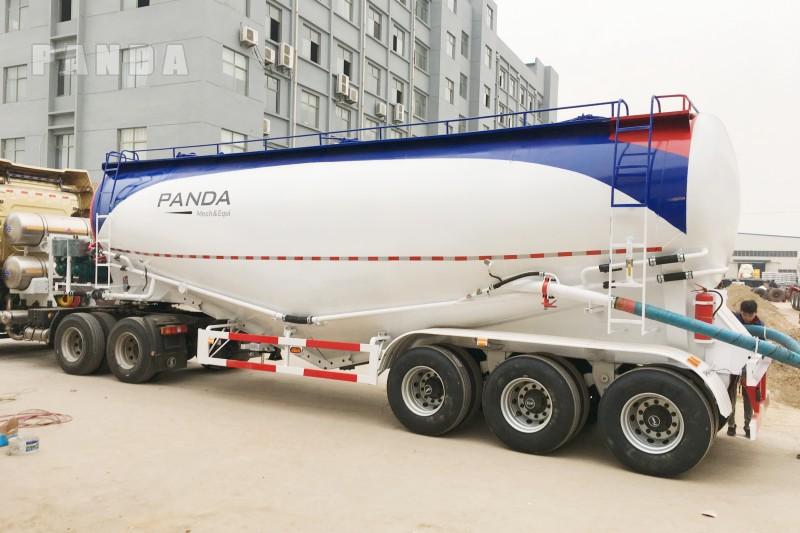
We Supplied 60 Units of 55-Ton, 3-Axle Cement Bulk Tankers
55 ton3 axle≈6 ton tare (empty weight)60 units
For this 60-unit fleet order, the customer needed the same axle and component setup across every trailer. We used three FUWA axles and kept the configuration consistent to simplify maintenance. This project also used an upgraded tanker-bed angle to support faster unloading.
Read the Panda Mech project →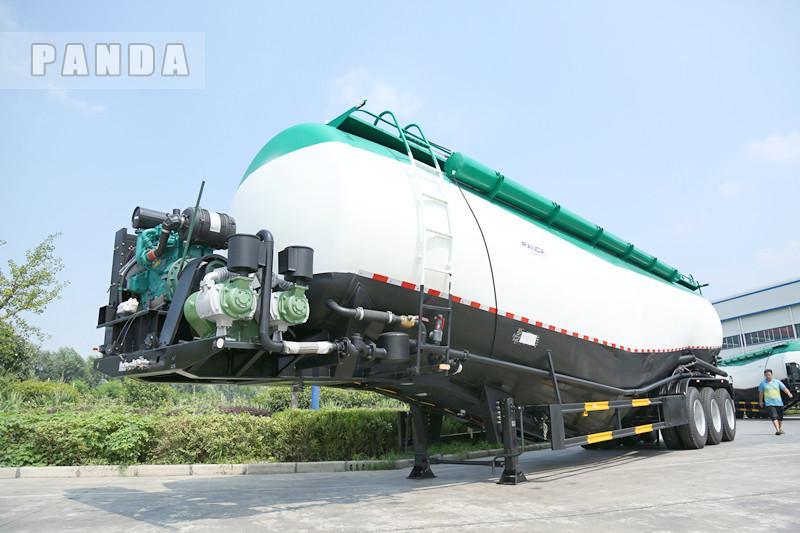
We Configured an 85-Ton Heavy-Duty Tanker for Easier Fleet Maintenance
85 ton60 units plannedFirst 20 shippedAir suspension
The customer wanted to reduce downtime and make maintenance easier. The project used air suspension and a heavy-duty component setup. We only recommend this class when the tractor, route and local limits support it.
Read the Panda Mech project →Factory Quote
Send These Details for an Accurate Dry Bulk Trailer Quote
- Destination country
- Your business: cement plant, fleet or contractor
- Exact cargo name
- Target payload or tank volume
- Quantity
- Road condition and route type
- Tractor model, fifth-wheel and kingpin details
- Receiving silo height
- Horizontal discharge distance
- Target unloading rate
- Axle and suspension preference
- Destination port
If you know the cargo bulk density and local GVW or axle limits, send them too. If not, send the cargo and destination first. Our engineers will tell you what else we need before we confirm the build.
Operation & Maintenance
We Plan for Daily Operation and Maintenance, Not Just Delivery
Before Delivery
Before delivery, we can help standardize valves, hoses, compressor/engine parts, axles and other service parts around what your fleet can maintain locally.
During Operation
During operation, check tank sealing, powder flow, valves, hoses, pressure gauges, compressor, brakes, tires and suspension. Dust, moisture and air leaks can slow unloading or cause uneven discharge.
Before Changing Cargo
Before carrying a different powder, send us its details. A change in density, flow, abrasion, contamination risk or safety requirements may need a different setup.
FAQ
Dry Bulk Trailer Questions to Ask Before You Request a Quote
What is a dry bulk trailer?
A dry bulk trailer on this page means a sealed pneumatic tanker for fine industrial powders such as cement, fly ash and lime. Compressed air moves the powder through a discharge pipe into a silo. A gravity hopper trailer is a different type of equipment.
What is the difference between a dry bulk tanker and a cement tanker?
A dry bulk tanker is the broader product family. A cement tanker is a dry bulk tanker set up for cement and similar industrial powders. We match the tank, axles, suspension and air system to your cargo and route.
How do I choose payload and tank volume?
Start with how much powder you want to carry and its bulk density. Then we check tank volume, empty trailer weight, gross vehicle weight (GVW), axle limits and tractor compatibility. Tonnes measure weight; m³ measures tank volume.
How fast can a Panda Mech dry bulk trailer unload?
Our cement and industrial-powder unloading baseline is above 1.5 t/min under suitable conditions. Actual unloading speed changes with the powder, compressor, air leaks, hose length, pipe bends, silo height and silo filter condition.
Can this industrial dry bulk trailer carry flour or starch?
For flour, starch and other food powders, use our separate Panda Mech Food Powder / Flour Tanker route. Food powders need different hygiene and contamination controls, so we keep them separate from industrial powder tanker specifications.
How do I choose 2, 3 or 4 axles?
We choose axle count from your payload, empty trailer weight, local GVW and axle limits, road condition and tractor. Three axles are common on our 40–60 ton configurations. We use four axles when the route, legal limits and project needs support them.
How much does a dry bulk trailer cost?
There is no single useful price for every dry bulk trailer. Price changes with payload, tank volume, axle layout, suspension, pneumatic system, component choices, road-duty requirements, quantity and shipping destination. Send us the operating conditions and we will quote the confirmed configuration.
What size dry bulk trailer do I need?
Start with the cargo, target payload and bulk density. These tell us how much tank volume you need. We then check empty trailer weight, local gross vehicle weight and axle limits, tractor compatibility and unloading conditions before recommending a size.
What should I send before buying a pneumatic dry bulk trailer?
Send the cargo name, destination country, target payload or tank volume, quantity, road condition, tractor model, silo height, horizontal discharge distance and target unloading rate. If you know the cargo bulk density and local axle limits, send those too.
Request a Quote
Get the Right Dry Bulk Trailer—and an Accurate Factory Quote
Send us your cargo, destination country, target payload, tractor and unloading-site details. Our engineers will recommend the tank volume, axle layout and pneumatic system, then prepare your factory quote.