Cement Bulker & Pneumatic Tanker Manufacturer · 20+ Years Manufacturing Experience
GET A QUOTE
Panda Mech Cement Tanker Factory

Cement Tanker Factory & Manufacturer in China

We build pneumatic cement tankers in our own factory in China. Our team controls tank and chassis fabrication, pneumatic-system assembly, inspection and export preparation. These steps affect trailer life, unloading performance and operating cost.
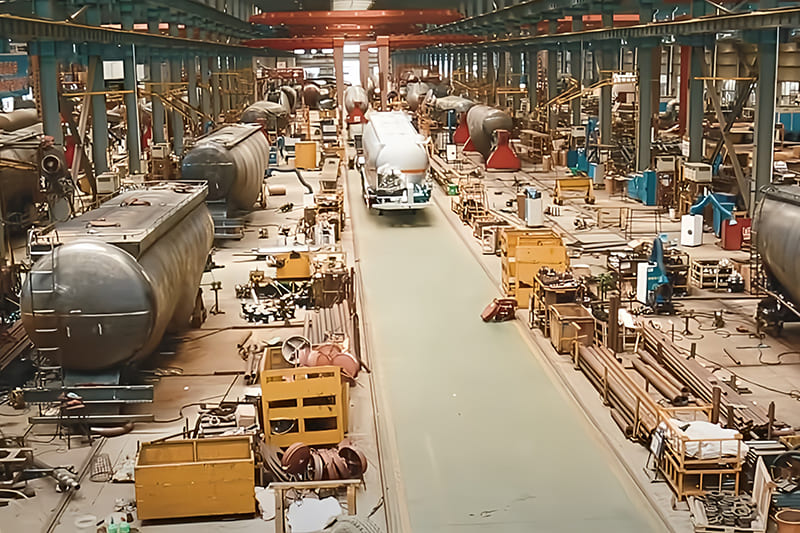
Panda Mech cement tanker factory production line
Own FactoryDirect manufacturing control
20+ YearsSemi-trailer experience
Engineering Before BuildMain setup confirmed before production
200+ Quality ChecksChecked before shipment

Is Panda Mech a Cement Tanker Factory?

Yes. Panda Mech is a semi-trailer manufacturer in China with its own factory and more than 20 years of experience. We build pneumatic cement tankers and control the main fabrication, assembly and inspection steps. Before production, we check your cargo, payload, tank volume, axle setup, roads, tractor and unloading needs.
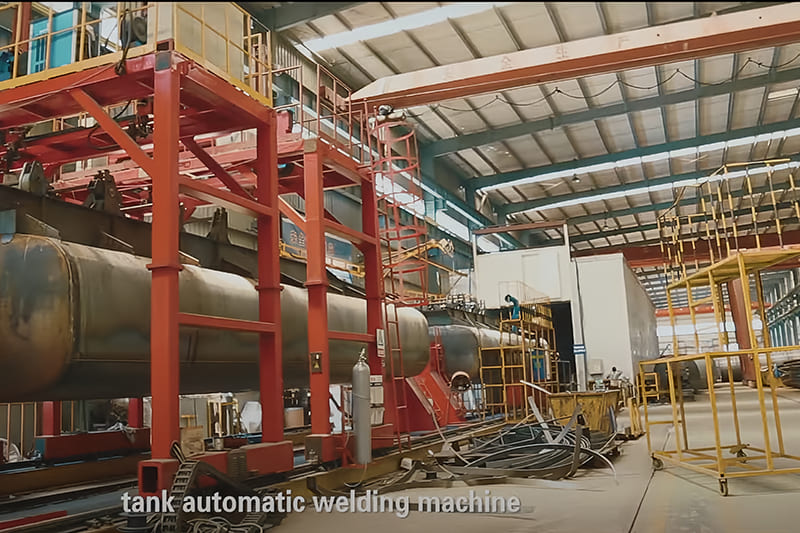
Cement tanker tank forming and fabrication inside the Panda Mech factory

What We Control In-House

We control the work that affects tank strength, running gear, pneumatic unloading and final trailer quality. We build to the confirmed specification. Then we check the finished trailer before shipment.

Own ManufacturingWe control tank, chassis, welding, assembly and final production.
Engineering FirstWe confirm the main setup before cutting and fabrication start.
Pneumatic IntegrationWe review the air source, aeration, valves, pipes and discharge parts as one system.
Pre-Shipment ChecksWe compare the finished trailer with the confirmed order before shipment.

Why Factory Control Matters for a Pneumatic Cement Tanker

A cement tanker must carry powder safely and unload it with air. Tank size, payload, axle setup and pneumatic equipment affect each other.

01

Tank Structure

The tank shell, supports and chassis connections must carry the load together.

02

Payload & Load Distribution

Check payload, tank volume, empty trailer weight (tare), gross vehicle weight (GVW) and axle layout together.

03

Pneumatic Performance

The aeration system sends air into the powder so it can flow. Pipe length and receiving-silo conditions also affect unloading.

04

Route & Tractor Fit

Axles, suspension, brakes, kingpin, road conditions and the tractor connection must match your route.

Do not choose a cement tanker by tonnage alone. Tell us what you carry, where you drive and how you unload. We can then match the trailer to the job.

How We Manufacture a Cement Tanker

Each production step controls a different part of the tanker. We check what matters at each step before the trailer moves forward.
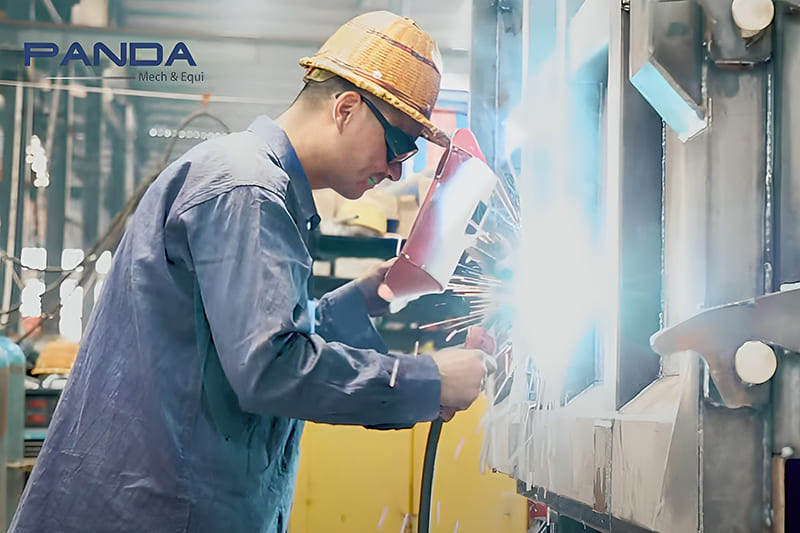
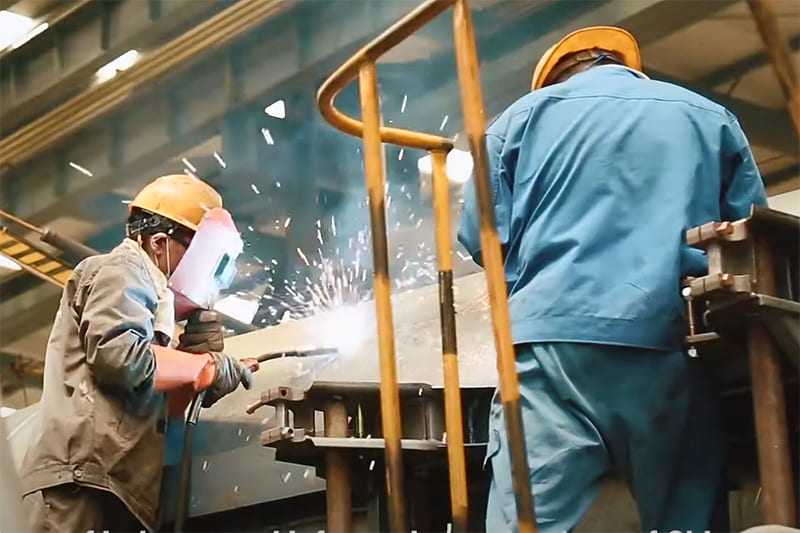
Panda Mech welder checking tanker fabrication quality
01

Material Preparation & Cutting

We controlPart size, cut edges and preparation.
Why it mattersAccurate parts fit together more easily during fabrication.
02

Tank Shell Forming

We controlTank-shell shape, formed sections and support position.
Why it mattersA consistent shell is easier to fit, weld and load correctly.
03

Tank & Structural Welding

We controlWelding sequence, key joints and finished weld quality.
Why it mattersGood welds help protect tank strength and sealing.
04

Chassis & Running Gear

We controlChassis assembly, axle mounting, suspension, brakes and landing gear.
Why it mattersThese parts must support the load and match your roads.
05

Pneumatic System Installation

We controlAir inlet, aeration system, valves, pipe routing and discharge parts.
Why it mattersThese parts must work together for steady powder unloading.
06

Surface Treatment & Painting

We controlSurface preparation, coating and final paint finish.
Why it mattersGood surface protection helps reduce corrosion during service.
07

Final Assembly

We controlOrdered components, electrical system and accessories.
Why it mattersThe finished trailer must match the order you approved.
08

Inspection & Shipment Preparation

We controlFinal checks, visible condition and shipment preparation.
Why it mattersWe find problems before the trailer leaves the factory.

How the Tank & Chassis Work Together

The tank and chassis carry the load together. Payload, tank volume, empty trailer weight, axle position and road condition all change the final setup.
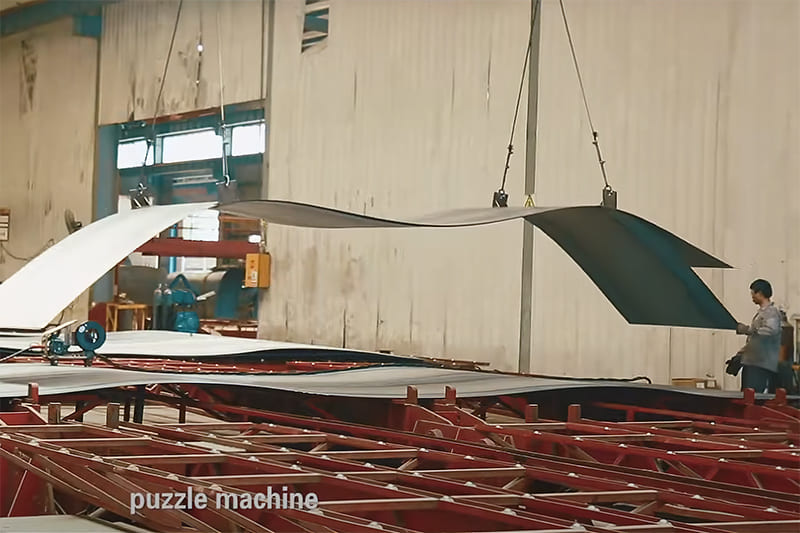
Tank structureWe match shell shape, supports and structural connections to the intended load.
Chassis & running gearWe match the main frame, axle mounting, suspension and brakes to the transport job.
Load distributionWe check payload, empty weight, gross vehicle weight (GVW) and axle setup together.
Destination rulesCountry-specific axle, GVW, brake and dimension limits must be checked before the final quote.
Steel cutting and tank plate preparation for cement tanker production
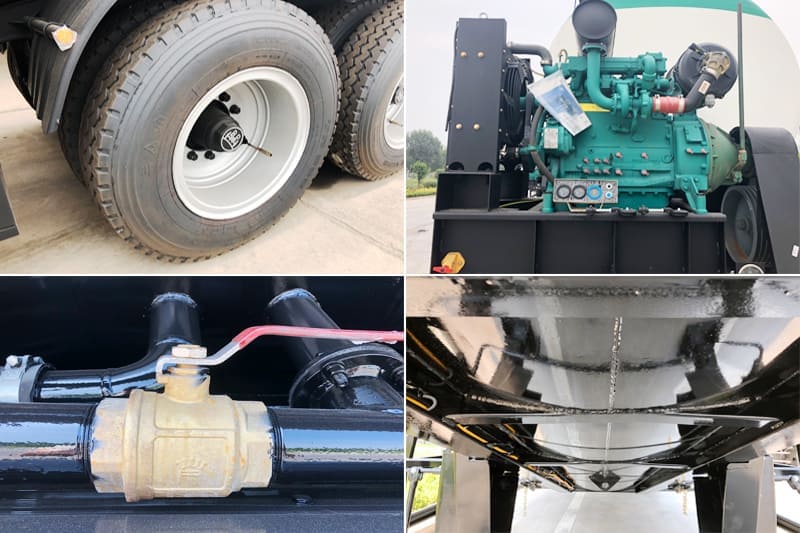
Cement tanker pneumatic piping, valves and discharge components

How the Pneumatic Unloading System Works with the Tanker

The compressor or external air source is only the start. Air must enter the tank, loosen the powder and move it through the discharge line. We also check the receiving silo because height and backpressure can change unloading.

Air SourceTank AerationPowder Loosening (Fluidization)Discharge OutletDischarge LineReceiving Silo
Cargo behaviorBulk density and powder flow affect tank volume and unloading.
Horizontal distanceLonger discharge lines create more resistance and can slow unloading.
Silo heightA taller silo increases the vertical lift the air system must handle.
Silo pressure / filterPressure inside the receiving silo (backpressure) and filter condition can affect unloading.
Air-source setupConfirm whether you use an independent engine, tractor power take-off (PTO) or another air source.
Discharge-line connectionThe discharge line and connection should match your site setup.
See the cement tanker loading and unloading guide →

What We Confirm Before Your Tanker Enters Production

You do not need a full engineering drawing. Start by telling us how the trailer will be used. We use the information below to confirm the main setup before fabrication starts.

What You Send UsWhy It MattersWhat We Check
Cargo / powderDensity and powder flow affect tank size and unloading.Tank volume and pneumatic setup.
Target payloadPayload is not the same as tank volume or legal GVW.Tank size, structure and axle setup.
Destination country / routeAxle, GVW, brake and dimension rules vary by market.Items that need local legal confirmation.
Road conditionRough roads put more stress on the trailer.Chassis, suspension, tires and service setup.
Tractor informationThe trailer must fit the tractor.Tractor connection, kingpin, fifth wheel, air and electrical fit.
Horizontal discharge distanceLonger lines add resistance during unloading.Air source and discharge-line setup.
Silo height / receiving systemVertical lift and silo pressure can change unloading.Pneumatic setup and silo connection.
Axle / suspension preferenceYour preference must still fit legal loads and road conditions.2-, 3- or 4-axle setup and suspension.
QuantityFleet orders need consistent parts and documents.Production plan and consistent component choices.
What this means for your project: for cement, we use about 40 m³ (40 CBM) as an approximate 50-ton reference. Final legal road payload still depends on axle and GVW limits on your route.
Read the cement bulker capacity and specification guide →
Cement tanker tank structure assembly inside the factory
Quality Assurance

How We Check a Cement Tanker Before Shipment

Our production and final inspection process includes 200+ quality-control checks. We use these checks to find problems before the tanker leaves the factory and to confirm that the finished build matches the order.
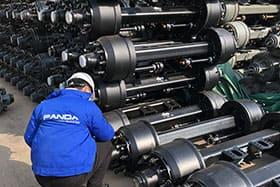
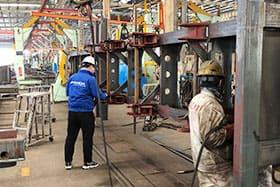
Materials & ComponentsCheck incoming materials, axles and ordered parts before final assembly
Welding & StructureCheck key joints, tank structure, fit and visible weld workmanship
Tank IntegrityCheck sealing and pressure-related items where they apply to the confirmed build
Pneumatic SystemCheck valves, pipes, air circuit and discharge components
Running Gear & BrakesCheck axles, suspension, braking parts and road-going systems
Final ConfigurationCompare dimensions, ordered components and the finished setup with the confirmed order

Cement Tanker Configurations We Manufacture

We build cement tankers with different payloads, tank volumes and axle setups. We also build for other compatible non-food dry powders. Start with what you need to carry and how the trailer will work.

Axle & Heavy-Duty Options

2 / 3 / 4 Axle & Heavy-Duty Projects

Axle count does not guarantee payload. We check empty weight, load distribution, local axle limits, roads and service needs before we confirm the build.

  • 2 / 3 / 4 axle configurations
  • Mechanical or air suspension options where appropriate
  • 80-ton and 85-ton heavy-duty configurations available
Explore Cement Tanker Configurations →
What we can configure for your project
Tank volumeAxle setupSuspensionBrake setupTires Landing gearValves & pipingPneumatic systemAir-source interfacePaint & exterior options

Cement Tankers Built for Real Fleet and Project Orders

These examples come from Panda Mech project records. They show how axle setup, parts, maintenance and order consistency can change the final build.
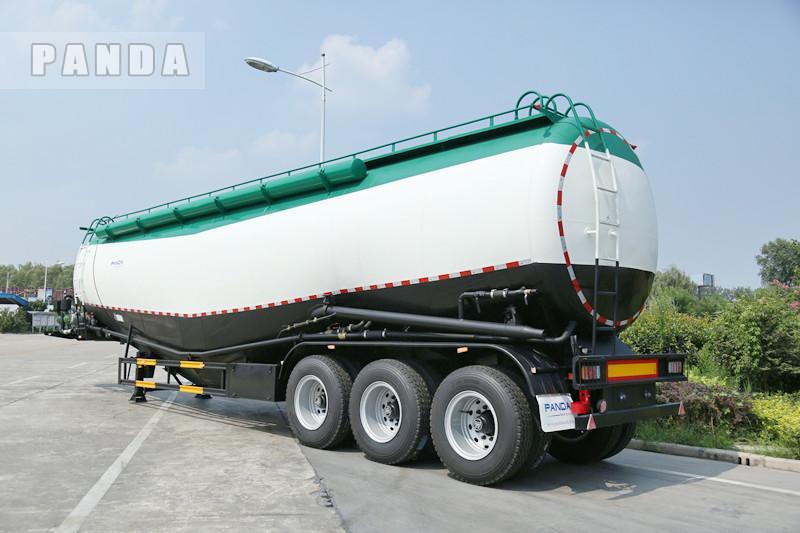
Heavy-duty cement tankers produced for a fleet order
UAE · Fleet Project

85-Ton Heavy-Duty Batch Project

A construction-material transport company planned 60 units, with 20 in the first batch. The project focused on downtime, maintenance and component choices, including air suspension.

Read the UAE Project →
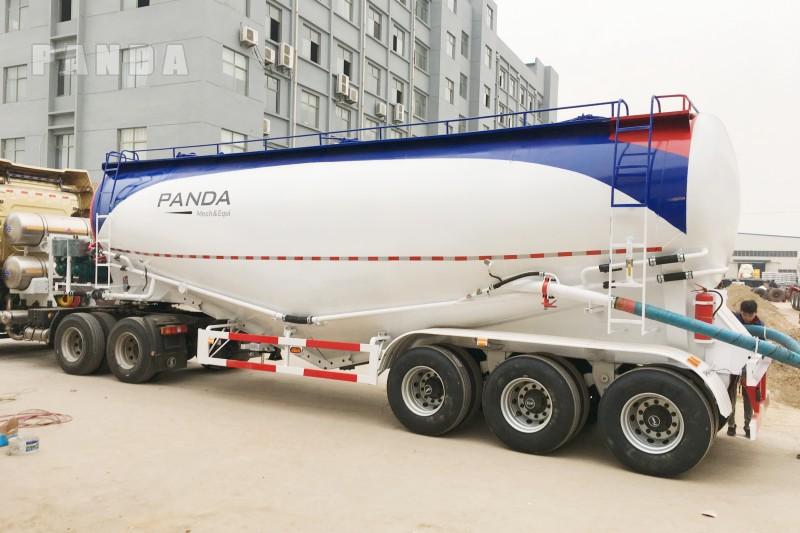
Finished cement tanker project outside the Panda Mech factory
Philippines · Fleet Project

60-Unit 3-Axle 55-Ton Project

The fleet order used a 55-ton, 3-axle setup. For a fleet order, using the same axles, tires, valves, service parts and documents can make maintenance easier.

Read the Philippines Project →
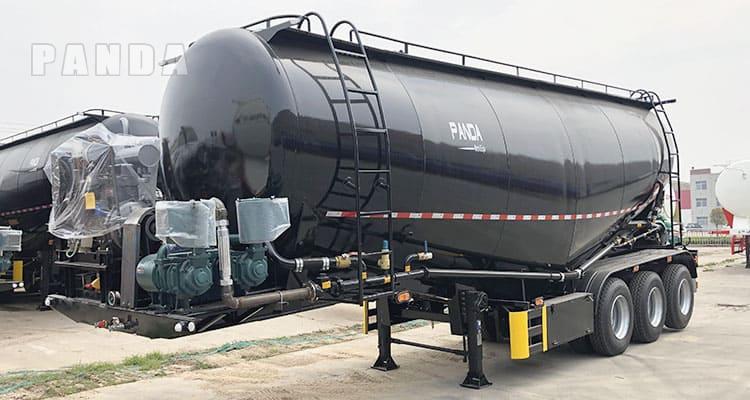
Three-axle cement tanker produced for a fleet project
Ethiopia · Engineering Review

From Tandem-Axle Request to 3-Axle Recommendation

The first request was for a tandem-axle cement bulker. After checking local road-weight limits, we recommended a 3-axle setup instead.

Read the Ethiopia Case →

What Changes the Price of a Cement Tanker?

Two cement tankers with the same target payload can use different axles, suspension, pneumatic equipment and components. That is why we confirm the project before giving a firm quote.

The lowest purchase price is not always the lowest operating cost. The right setup should match your route, unloading job and maintenance plan.

Tank volume & payloadTank size, structure and material use change with the required transport job.
Axles & running gearAxle count, axle specification, tires and landing gear change component cost and load distribution.
Suspension & brakesMechanical or air suspension and the ordered braking package affect the final quote.
Pneumatic unloading setupAir-source choice, compressor interface, valves, piping and discharge setup change system cost.
Component brandsAxles, valves, tires, landing gear and other specified brands can change price and maintenance planning.
Surface protectionSurface preparation, paint system and corrosion-protection requirements add different levels of work.
Custom requirementsSpecial dimensions, route-related changes or optional equipment can add engineering and production work.
Quantity & shippingFleet quantity affects production planning, while freight cost depends on the destination and shipping plan.

Inspect the Finished Cement Tanker Before Shipment

Before shipment, you can compare the finished tanker with the order you approved. Check the main components, visible workmanship and shipment condition before release.
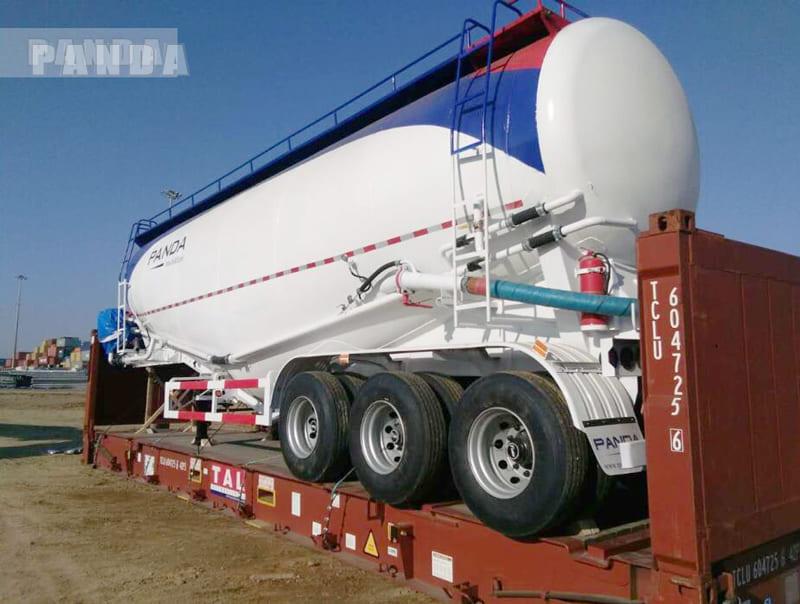
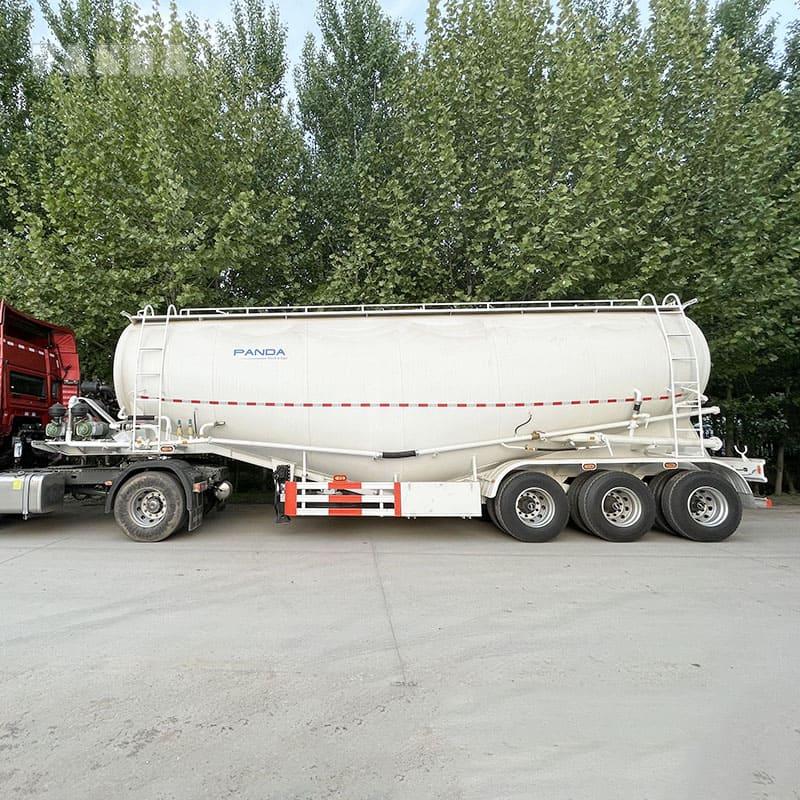
Finished bulk cement tanker prepared before shipment
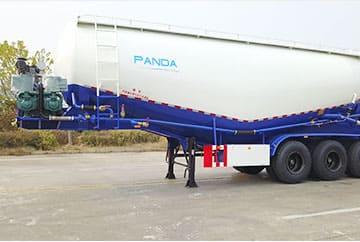
Finished Panda Mech pneumatic cement bulker trailer
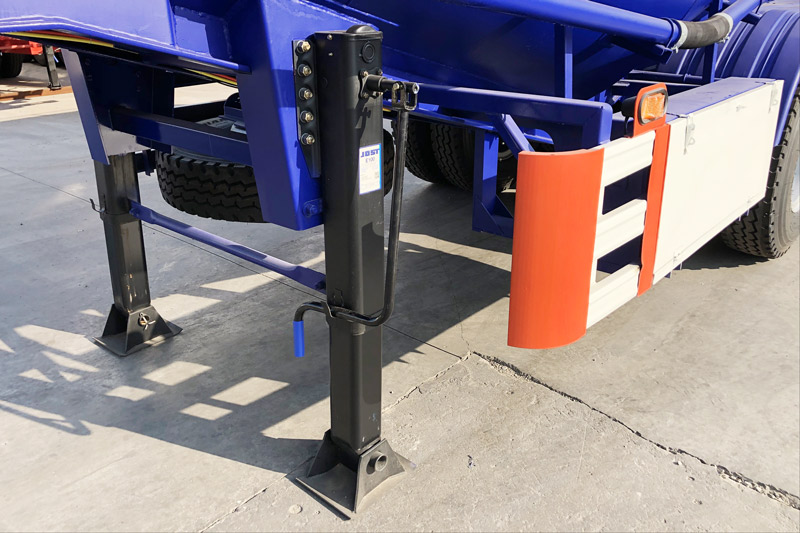
Cement tanker chassis and landing gear inspection detail
Approved configurationCompare the finished tanker with the confirmed order.
Ordered componentsCheck valves, axles, suspension and ordered options.
Visible workmanshipCheck the tank, chassis, piping and exterior condition.
Shipment readinessConfirm the tanker is ready for export handling.

What You Can Inspect During a Panda Mech Factory Visit

A factory visit should help you see how we build and check the trailer. Send us your cargo, target payload, destination and operating conditions before you visit. We can then review your project during the visit.
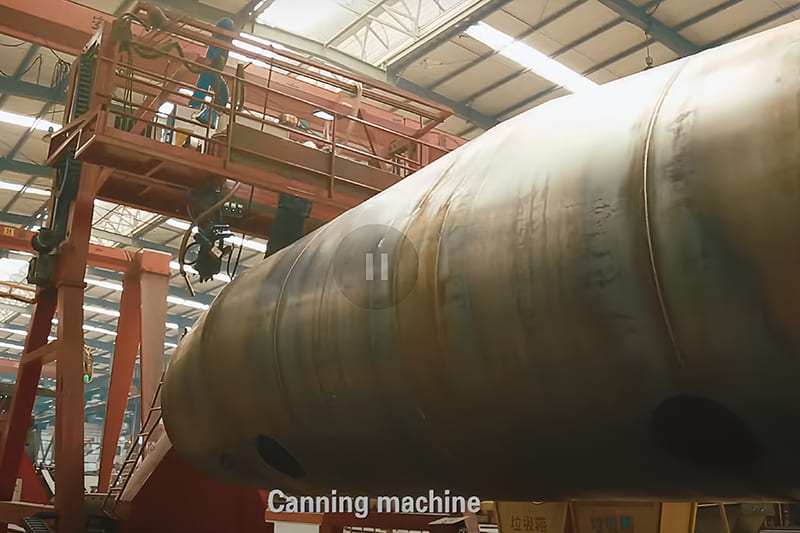
ManufacturingCutting, forming, welding and assembly areas.
EngineeringReview the tank, chassis, axle and pneumatic setup.
Quality ControlSee the inspection process, test areas and final checks.
Your ProjectReview drawings, ordered parts, open questions and the final setup.
Cement tanker production inspection during a factory visit

From Confirmed Specification to Shipment

Production and shipping are two separate time periods. A typical Panda Mech order follows the steps below.

01Project DetailsCargo, payload, route, tractor, silo and quantity.
02Confirm Specs & QuoteWe confirm the setup that affects price and performance.
0330% DepositOur usual deposit before production.
04ProductionUsually 7–25 days, depending on the configuration.
05Final InspectionCheck the finished trailer against the confirmed order.
0670% Before ShipmentOur usual balance payment before shipment.
07ShippingTransit time depends on your destination and shipping plan.

What Support Is Available After Shipment?

Our support does not stop when the trailer leaves the factory. If you have questions after delivery, our service team can help with operation, maintenance, parts and warranty-related issues.

Technical SupportContact our team for operating questions, troubleshooting and technical guidance after delivery.
Spare-Parts SupportWe maintain a spare-parts reserve to help match replacement needs for supplied equipment.
Operation GuidanceWe provide operating guidance and training support so your team can use the equipment correctly.
Warranty & Problem ResponseContact us if a problem appears after delivery. Warranty support is available for Panda Mech trailers and components.
See Panda Mech service support →

Questions to Ask Before Ordering or Visiting

Is Panda Mech a cement tanker factory or a trading company?

Panda Mech has its own semi-trailer factory in China and more than 20 years of industry experience. We control the main manufacturing, assembly and inspection steps for pneumatic cement tankers.

What cement tanker configurations can Panda Mech manufacture?

We build different tank volumes, payloads and axle setups. This includes 2-, 3- and 4-axle options and 80-ton and 85-ton heavy-duty configurations. We still check cargo, empty weight, GVW, local axle rules, roads and tractor fit before confirming the setup.

Can you customize the tanker for my cargo and route?

Yes. Tell us your cargo, payload, destination, roads, tractor, unloading distance, silo conditions and axle preference. We use this information to confirm the setup before production.

How do you select tank volume and payload?

Payload and tank volume are not the same. We first check the cargo and bulk density. Then we compare payload, required volume, empty trailer weight, GVW and legal road limits.

How do you configure the pneumatic unloading system?

We check the air source, tank aeration, discharge line, unloading distance, silo height and receiving-silo conditions. We confirm the compressor and pipe setup for your project instead of choosing it from tonnage alone.

What quality checks are completed before shipment?

We carry out 200+ quality-control checks. They cover materials, fabrication, welding, tank condition, pneumatic parts, running gear, final setup, surface finish and shipment readiness.

Can I inspect my cement tanker before shipment?

Yes. You can compare the finished tanker with the confirmed order. You can also check ordered parts, visible workmanship and shipment readiness.

Can I visit the Panda Mech factory?

Yes. We welcome factory visits. Send us the tanker type, target payload, quantity and visit date in advance. We can prepare the right production, engineering or final-inspection areas.

How long does production take?

Production usually takes 7–25 days, depending on the tanker configuration and order requirements. Shipping time is separate and depends on the destination and shipping plan.

What information should I send for a quotation?

Send your destination country or port, cargo, payload, quantity, road condition and tractor details. Also include tank volume, silo height, unloading distance, target unloading time, and axle or suspension preference if known. Our engineering team can help confirm anything you do not know yet.

Project Quote

Tell Us What Your Cement Tanker Needs to Do

Start by telling us how the tanker will be used. Our engineering team will use these details to confirm the setup and prepare the quotation.

  • Cargo / powder
  • Target payload
  • Destination country / port
  • Road condition
  • Tractor information
  • Axle / suspension preference
  • Horizontal discharge distance
  • Silo height / receiving conditions
  • Target unloading time
  • Quantity

Target response: within 1 hour.

Finished pneumatic cement bulker ready for project delivery

Get An Insant Quotation Now