
Confirm the Job
Cargo, density, payload, route, tractor and unloading conditions are confirmed before production.
We confirm the job before we cut steel. Your cargo, payload, tank volume, axle layout, route, tractor and unloading conditions come first. We then control tank forming, welding, chassis alignment, the pneumatic system, final assembly and inspection.
Quick answer
Panda Mech defines the tanker around the job it must perform. We confirm the cargo and its bulk density (how much the powder weighs for a given volume), required payload and tank volume, destination and route, axle and tractor requirements, then the unloading distance, silo height and air-source conditions. Only after these inputs are clear do we release the configuration for production.
This lets us control four things that matter after delivery: structure, road fit, unloading performance and final specification accuracy.
These are the practical figures and process points we currently use when discussing cement tanker projects. Final road and unloading performance still depends on the approved configuration and site conditions.
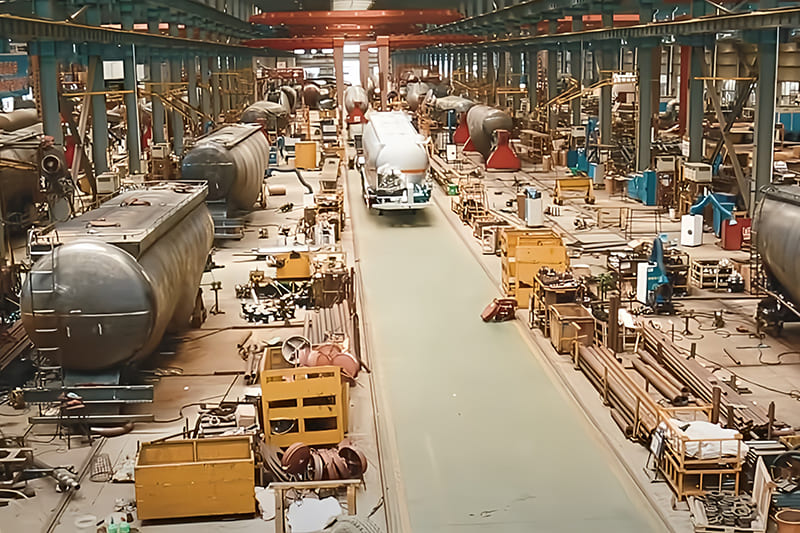
The detailed production flow runs from engineering confirmation through final release. For a quick overview, it is easier to think of the work in five main stages.
Cargo, density, payload, route, tractor and unloading conditions are confirmed before production.
Material verification, cutting, shell forming, fit-up and structural welding build the tank body.
Chassis, axle mounting, suspension, brakes and running gear are matched to the approved setup.
Aeration, airflow, valves, piping, outlet and receiving-silo conditions are treated as one system.
Coating, final assembly, sealing, functional checks and order verification are completed before shipment.
A quotation that only says “50 ton” or “3 axle” is not enough. Payload, tank volume and legal road load are different questions. The unloading system must also match your receiving silo.
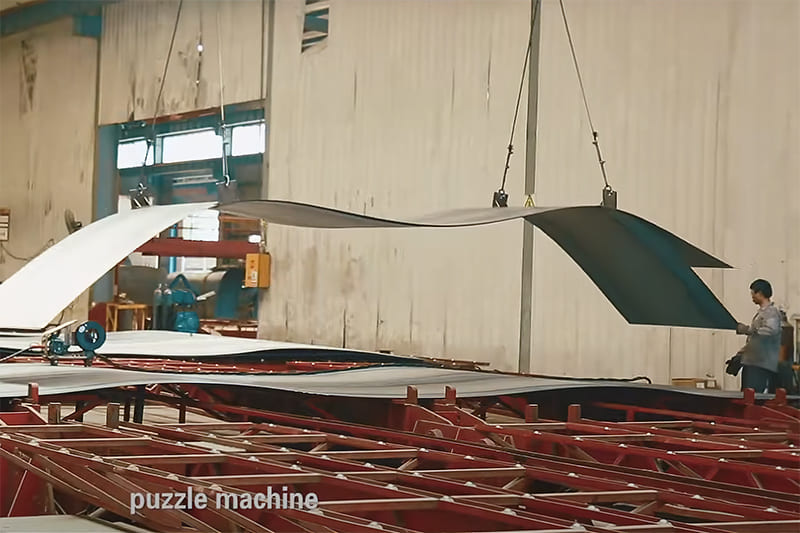
We keep tank-shell material and chassis/structural material as separate specification fields. Before fabrication, we check the approved material requirement, required thickness and visible condition.
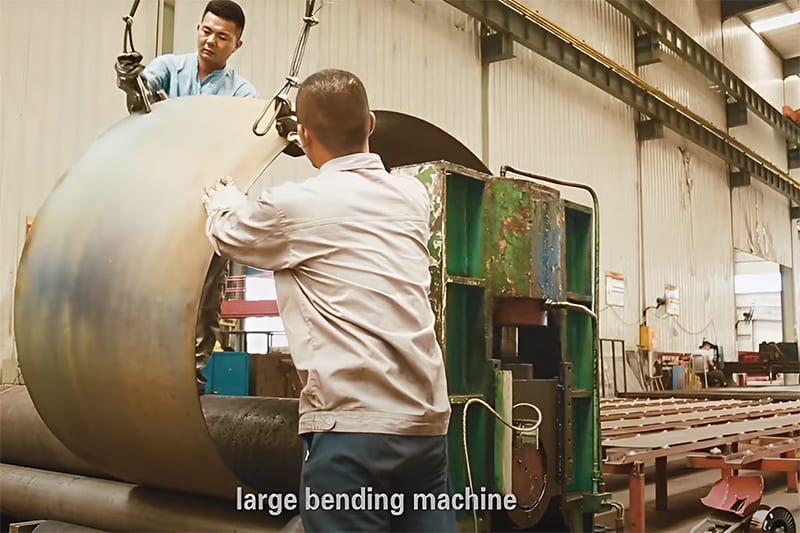
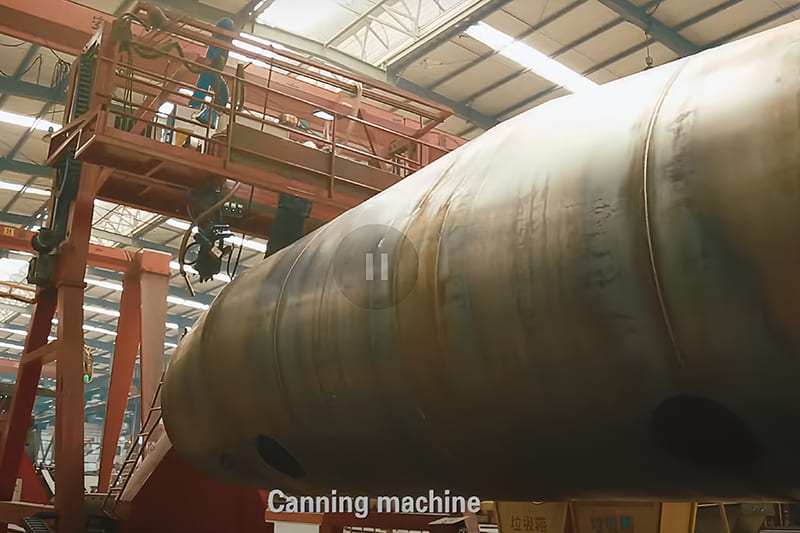
We cut shell and structural parts to the production drawing, then form the tank sections to the required shape. Accurate cutting and forming reduce forced fit-up, distortion and rework later.
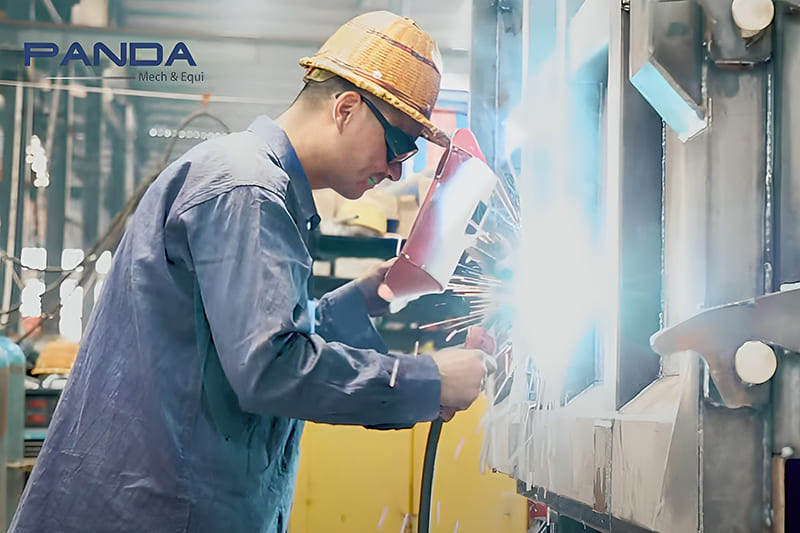
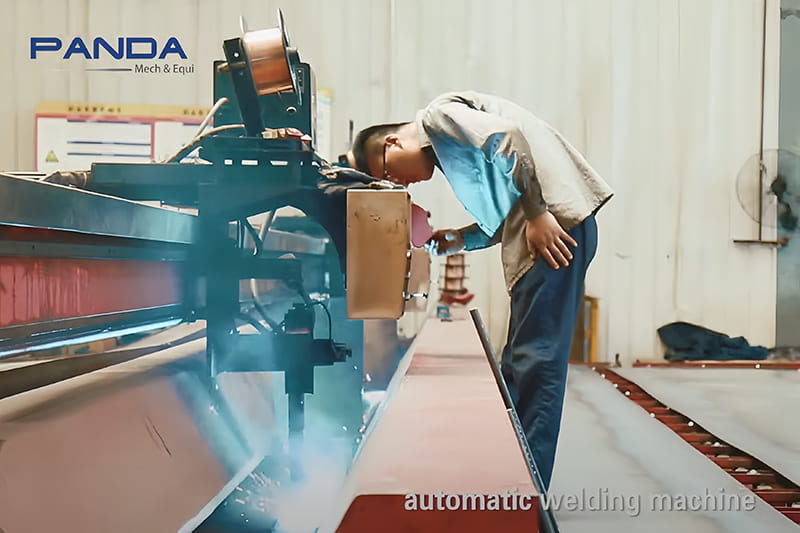
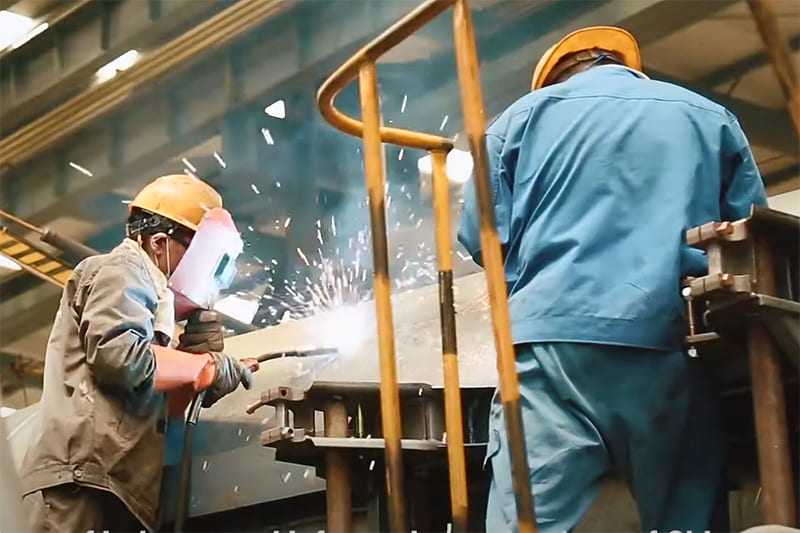
A pneumatic cement tanker faces road vibration, repeated loading cycles and pressure during unloading. We control welding as a chain: fit-up first, then welding, inspection and sealing checks.
We match the load-bearing structure, axle and suspension mounting areas, and running gear to the approved tanker specification. We check chassis alignment before final running-system inspection.
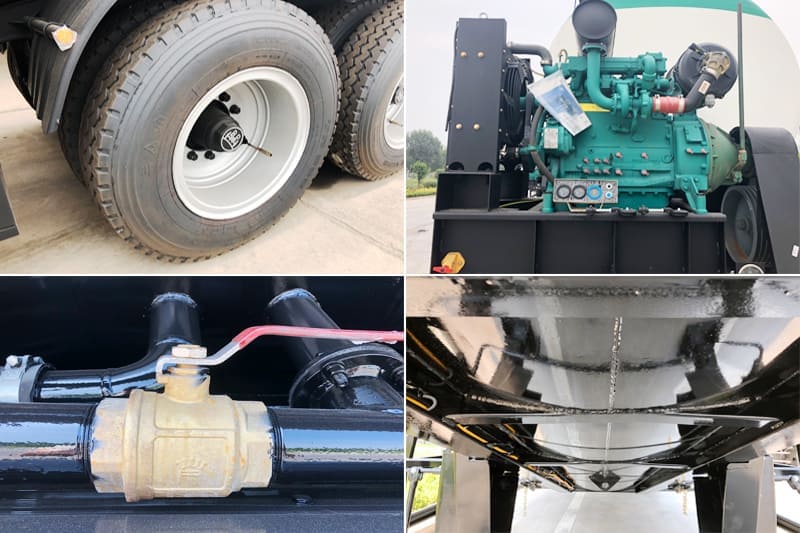
A larger compressor does not automatically mean faster unloading. We look at the full air and material path: aeration, tank pressure, valve sequence, pipe routing, discharge distance, silo height and receiving conditions.
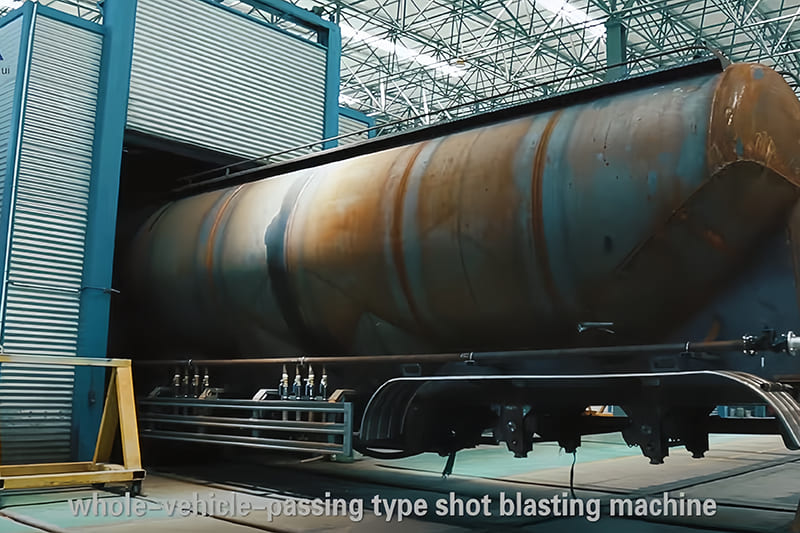
Surface preparation protects the finished structure. We clean and prepare exposed material before primer and the final coating, then inspect the exterior finish.
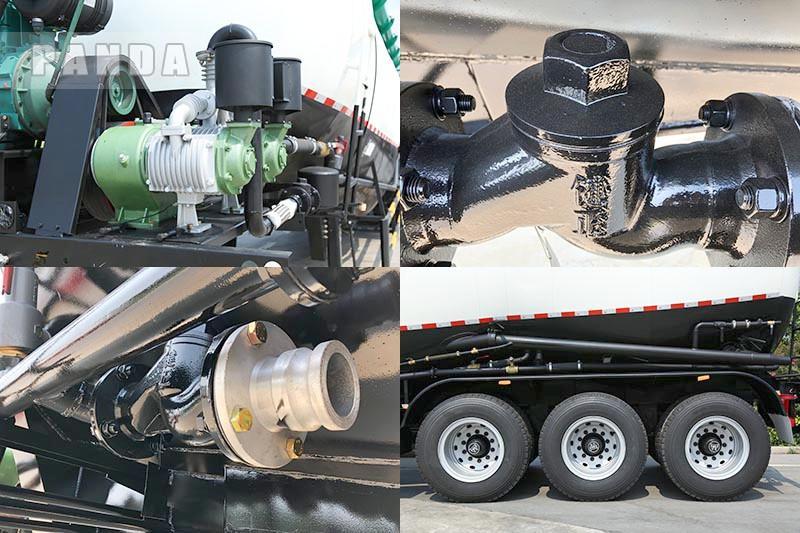
At final assembly, we bring together the tank, chassis, running gear, brakes, electrical system, pneumatic components and the accessories listed on your approved order.
Before shipment, we check the systems that can become costly problems after delivery. The exact inspection scope follows your approved trailer configuration and our production procedure.
Check relevant weld areas, tank condition, sealing and leak-risk points before release.
Inspect valves, pipelines, joints, compressor/air-source interfaces and discharge-system function.
Verify mounting, alignment, suspension installation and running-system condition.
Inspect braking, air connections, lighting and electrical items included in your order.
Check coating, external fittings, ladder/guard items, toolbox and order-specific accessories.
Confirm the completed trailer matches the approved payload/volume/axle and equipment configuration.
We focus on the production points that can increase unloading time, tire wear, maintenance or downtime after the tanker enters service.
| If This Is Poorly Controlled | What You May See in Service | How We Control It |
|---|---|---|
| Tank geometry is inconsistent | Higher residue or less stable powder movement | Forming, fit-up and dimensional control before major welding is completed |
| Welding is inconsistent | Leak risk, cracking or repeated repair work | Fit-up control, welding sequence, visual inspection and sealing checks |
| Chassis/axle alignment is poor | Uneven tire wear and poor load distribution | Chassis alignment and running-system inspection before release |
| Pneumatic layout does not match the job | Slow unloading, unstable discharge or higher residue | Cargo, airflow, valve/piping and receiving-silo condition review |
| Sealing is incomplete | Pressure loss during discharge | Tank, valve, gasket, pipeline and connection sealing checks |
| Surface preparation is weak | Early coating failure or corrosion | Surface preparation, primer/coating process and final visual inspection |
Do not compare two cement tanker quotations only by tonnage and price. Use these questions to check whether the trailer has been matched to your route, tractor and unloading site.
Check whether cargo density, payload, tank volume, road restrictions and unloading conditions are confirmed first.
A serious specification should not blur tank-shell material and chassis/structural material into one field.
Ask what the factory controls before and after major tank welding.
Give us or any supplier the discharge distance, silo height and receiving conditions and see whether the configuration changes.
Ask specifically about tank airtightness, valves, pipelines and discharge-system function.
Request current production-stage photos or videos rather than only finished-trailer catalog images.
Axles, suspension, brakes, tires, air source, valves and accessories should be clear on the approved quotation.
Final quality control should verify the approved configuration, not only a generic factory checklist.
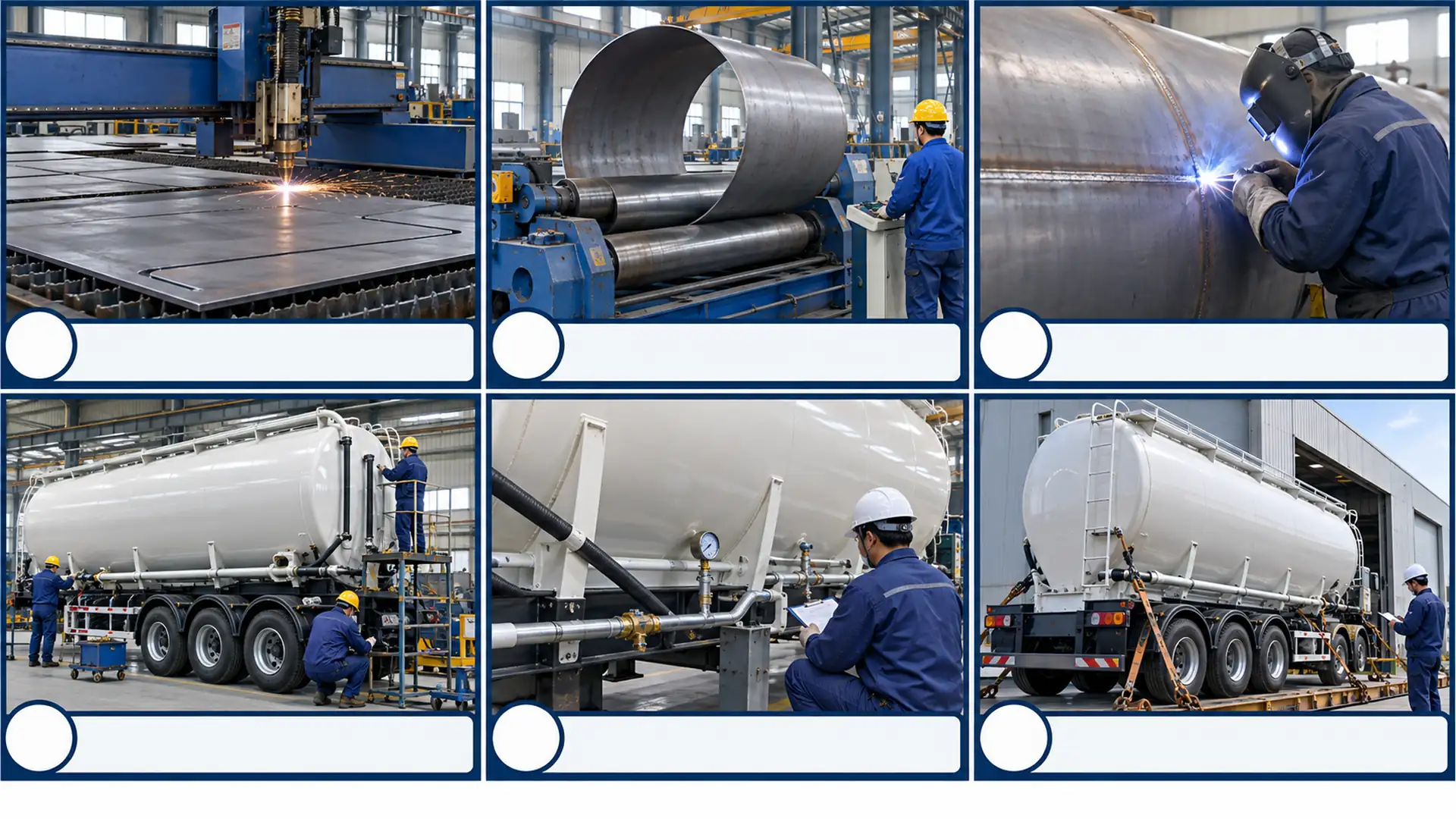
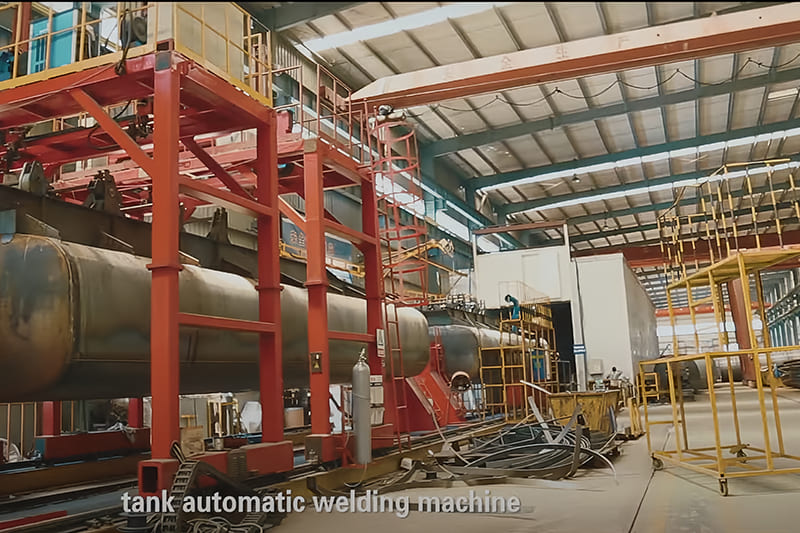
A manufacturing page should show more than fabrication. These Panda Mech images extend the evidence chain from workshop production to finished tanker and transport preparation.
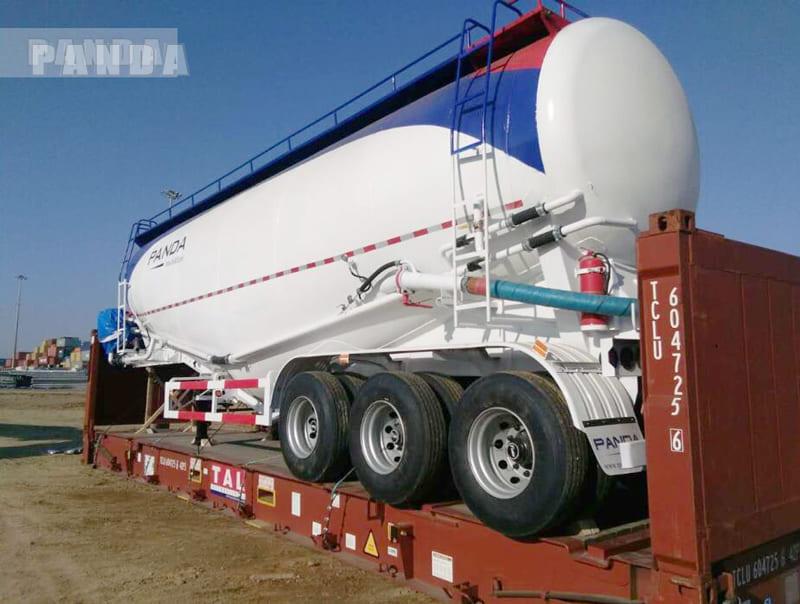
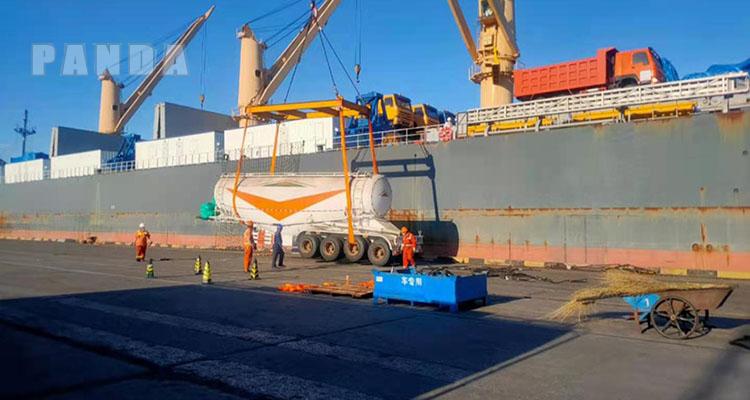
The same core production controls apply across our pneumatic cement tanker range. Your final payload, tank volume, axle count and road setup still need to match the cargo, route and local limits.
A common Panda Mech setup uses 3 axles and about 40 CBM (40 m³) for approximately 50 tons of cement, subject to the confirmed cargo and road conditions.
View the 50 Ton Cement TrailerCompare our cement tanker range before you lock the payload, tank volume and axle setup.
Explore Cement Tanker ConfigurationsUse the cement bulker hub when you are still comparing tanker types and operating requirements.
Open the Cement Bulker HubYou do not need every engineering value before contacting us. Start with the information you know, and we will identify what still needs to be confirmed before the order is released for production.
Our target is to respond within 1 hour. We first check cargo, payload, destination, quantity and the main unloading conditions.
Tank volume, axles, suspension, pneumatic setup, options and commercial scope are confirmed before you approve the order.
Payment is generally 30% deposit and 70% before shipment. The final terms are confirmed on the order documents.
Production is typically 7–25 days depending on configuration. Shipping time depends on the destination and transport arrangement.
Panda Mech first confirms the cargo, payload, tank volume, route, axle, tractor and unloading conditions. Production then moves through material verification, part preparation, tank forming, welding, chassis assembly, pneumatic-system integration, surface treatment, final assembly, functional checks and final quality control.
Tank geometry affects structural fit-up and the internal path that dry powder follows toward the discharge area. Poor geometry can create harder-to-empty areas, increasing residue and unloading time.
Unloading depends on cargo flowability, aeration, available airflow, tank pressure stability, valve and pipe layout, horizontal discharge distance, silo height and receiving-silo backpressure/filter condition. The compressor is only one part of the system.
Before shipment, check the tank and weld areas, sealing, pneumatic valves and pipelines, chassis and axle installation, brakes, electrical items, coating, accessories and the final order configuration.
Send the destination country, cargo, bulk density if known, target payload, tank volume if specified, quantity, road conditions, tractor details, local gross vehicle weight (GVW) or axle limits if known, axle or suspension preference, silo height, discharge distance and preferred air source.
Engineering-led quotation
Send us the information you already have. Cargo, target payload, destination, road conditions and unloading site are the best place to start. If some data is missing, our engineering and sales team will tell you what still needs to be confirmed before we finalize the configuration and quotation.
These details most often change the configuration, quotation or delivery scope.