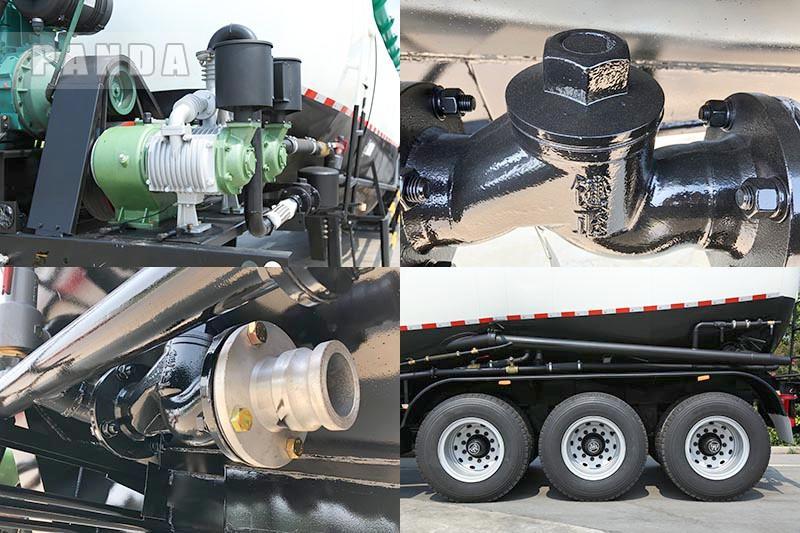
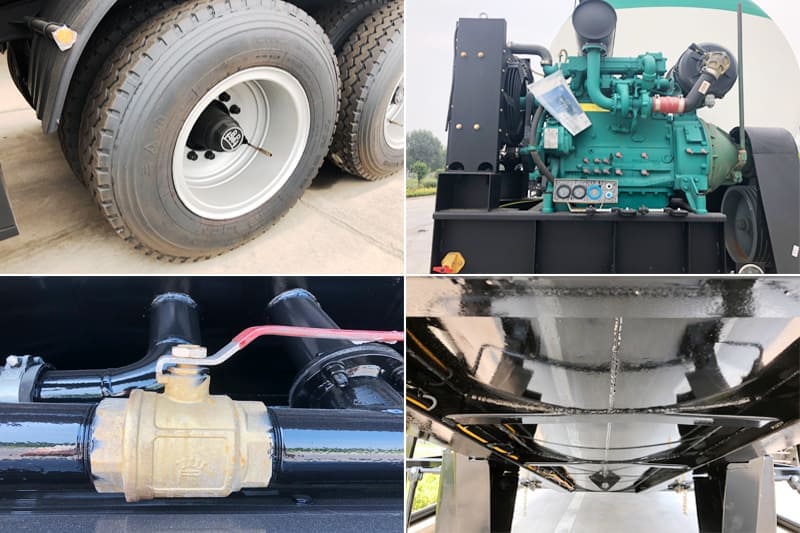
What size air compressor does a cement tanker need?
There is no single compressor size for every cement tanker. We check your cargo, target unloading rate, pipe size, hose length, silo height, backpressure, and available drive source. Tank volume alone is not enough.
What is the difference between a cement tanker compressor and a blower?
The terms are sometimes used loosely in dry-bulk transport, but they do not always describe the same machine. Compare the real airflow, working-pressure range, rated speed, drive method, duty, package weight, and connection details instead of choosing by the name alone.
What is the difference between compressor airflow and cement unloading rate?
Compressor airflow tells you how much air moves each minute, in m³/min. Cement unloading rate tells you how many tonnes of cement leave the tanker each minute, in t/min. They are different values and are not interchangeable.
What cement unloading performance does Panda Mech use as a current reference?
Panda Mech’s current cement-tanker family reference is >1.5 t/min. This is cement mass flow, not compressor airflow. Actual site performance also depends on powder condition, aeration, compressor output, leaks, pipe size, hose length, silo height, bends, and silo backpressure.
Is a larger cement tanker compressor always better?
No. A larger compressor does not automatically move cement faster. Poor aeration, a restricted pipe, a long hose, valve limits, or silo backpressure can still slow unloading and may add heat or power demand.
Should I choose PTO, independent diesel or external air?
Choose PTO when your tractors have a confirmed, compatible power take-off drive. Choose an independent diesel drive when the tanker needs its own unloading power. Consider external air only at fixed sites where airflow, pressure, connection, and the receiving system are confirmed.
What should I compare on a cement tanker compressor datasheet?
Compare the compressor or blower type, airflow at a stated operating condition, rated working pressure, required power, rated input speed, drive interface, package weight, outlet size, cooling, lubrication, and duty limits. A single m³/min number is not enough.
Why can tank pressure be high while cement discharge is slow?
High pressure with slow discharge often means the powder is not flowing well or the discharge path has too much resistance. Check aeration, the product valve, hose and pipe restrictions, bends, silo filter or venting, and silo backpressure before raising compressor speed.
What information does Panda Mech need before selecting the compressor?
Send us your cargo, payload, tractor or available air source, horizontal discharge distance, silo height, and target unloading performance first. Pipe size, bends, bulk density, silo filter details, site altitude, destination market, and road conditions are helpful when available.