Cement Bulker & Pneumatic Tanker Manufacturer · 20+ Years Manufacturing Experience
GET A QUOTE

Panda Mech Pneumatic System Engineering

Cement Tanker Air Compressor: How We Match Airflow, Pressure & Drive

Panda Mech selects the compressor as part of the complete pneumatic unloading system—the air-powered system that moves powder from the tanker into the silo. We first check your cargo and unloading target. Then we check tank capacity, pipe size, hose length, silo height, silo backpressure (resistance at the receiving silo), and tractor connection.

Quick answer: do not choose a cement tanker compressor from tank volume or maximum pressure alone. Start with cargo + target unloading rate + discharge line + silo conditions + available drive source. Then match the compressor, the aeration system (the parts that spread air through the powder), valves, and discharge line as one system.
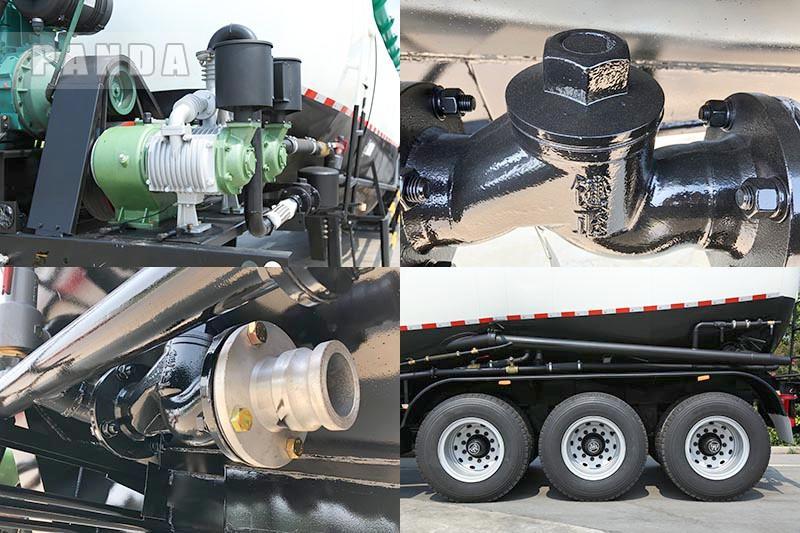
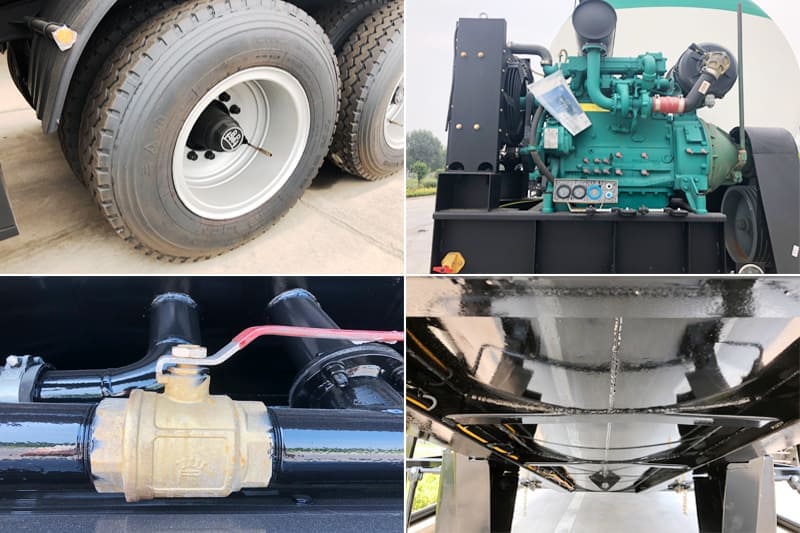
Cement tanker air compressor and diesel drive assembly
>1.5 t/minCurrent Panda Mech cement unloading reference. Site results also depend on the powder, discharge line, and receiving silo.
3 Air-Source RoutesPTO (power take-off), independent diesel drive, or a verified external air supply.
System SelectionWe check the compressor, aeration, discharge line, and silo together.

Which Compressor Setup Fits Your Cement Tanker Operation?

Start with how your fleet works. PTO (power take-off) uses the tractor engine to drive the compressor. An independent diesel drive uses its own engine, while external air comes from a verified plant air supply.

PTO-DRIVEN

Choose PTO When You Use Compatible Tractors

Choose this when
  • tractor PTO compatibility is confirmed;
  • the same tractor families are used repeatedly;
  • you want to avoid a separate diesel engine on the tanker;
  • your fleet can service the PTO drive system.
Do not choose this when
  • tractors change frequently;
  • PTO speed, power or interface is not confirmed.
INDEPENDENT DIESEL

Choose Independent Diesel When the Tanker Needs Its Own Power

Choose this when
  • the tanker must unload with different tractors;
  • mixed fleets make PTO standardization difficult;
  • the tanker needs to unload without relying on tractor PTO;
  • your team can service the separate diesel engine.
Do not choose this when
  • you need to keep extra equipment weight as low as possible;
  • you do not want another engine and fuel system to maintain.
EXTERNAL AIR

Consider Plant Air at Fixed Unloading Sites

Choose this when
  • a stationary air source is already available;
  • usable airflow and pressure are verified;
  • the connection and unloading procedure are fixed;
  • the tanker unloads at known receiving sites.
Do not choose this when
  • site air capacity is uncertain;
  • the tanker must unload independently at changing sites.

Airflow, Working Pressure and Cement Discharge Rate Are Different Numbers

These three numbers are easy to mix up. Airflow tells you how much air the compressor delivers. Cement discharge rate tells you how much cement leaves the tanker each minute.

Compressor Airflow m³/min

How much air the compressor delivers each minute at the stated operating condition.

Working Pressure bar / MPa

How much resistance the air system must overcome in the tank, discharge line, and receiving silo.

Cement Mass Discharge t/min

How many tonnes of cement leave the tanker each minute. Panda Mech’s current cement-family reference is >1.5 t/min.

What to remember: m³/min measures airflow. t/min measures cement mass flow. We keep these values separate when we size the system and prepare your quotation.

Compressor, Blower or PTO Unit?

Cement Tanker Compressor vs Blower: What Is the Difference?

In dry-bulk transport, suppliers sometimes use compressor and blower as broad sales terms. They are not always the same machine. Do not choose by the label alone. Compare the actual airflow, working pressure, speed, drive method, package weight, and approved duty.

Term You May SeeWhat It Usually MeansWhat You Should Confirm
Cement tanker air compressorThe air source used to pressurize the pneumatic system and support powder conveying.Airflow at the stated pressure, drive method, rated speed, duty, cooling, and connection size.
Dry bulk blowerAn air-moving unit commonly used for pneumatic dry-bulk conveying.Usable airflow, pressure range, temperature limits, and whether the unit suits your unloading duty.
Truck-mounted blowerA blower package mounted on the tractor, truck, or tanker system.Mounting space, package weight, driveline layout, service access, and tractor compatibility.
PTO compressor / blowerAn air unit driven by the tractor power take-off (PTO).PTO power, rated speed, rotation/interface, shaft or driveline arrangement, and fleet standardization.

Do not compare names alone. Two products both sold as a “cement tanker compressor” can have different operating ranges. Panda Mech matches the air source to the tanker, cargo, discharge line, tractor, and receiving silo.

If a supplier markets a unit as oil-free, ask what the claim covers and what compressor design or standard supports it. Oil-free wording does not replace airflow and pressure matching.

How We Size the System

How We Choose the Compressor Before We Quote the Tanker

We do not start with a compressor model number. We start with what you carry and how you need to unload it.

1CargoTell us whether you carry cement, fly ash, lime, or another non-food dry powder. Moisture and how easily the powder flows also matter.
2Payload + VolumeKeep payload (cargo mass) separate from tank volume and legal road-weight limits.
3Target PerformanceTell us the unloading rate or total unloading time you need.
4PipelineCheck pipe or hose diameter, horizontal length, bends, and connection layout.
5Receiving SiloCheck silo height, inlet, filter and vent capacity, and backpressure.
6Drive SourceCheck tractor PTO, a separate diesel drive, or a verified plant air supply.
7Final MatchChoose the compressor, aeration, valves, discharge line, and drive together.

Compare the Operating Point, Not One Big Number

What to Compare on a Cement Tanker Compressor Datasheet

A bare airflow number is not enough. Ask what pressure, speed, and duty condition the airflow belongs to. Then check whether the tractor, mounting position, air line, and unloading route can use that compressor correctly.

Datasheet FieldWhat It Tells YouWhy It Matters on a Cement Tanker
Compressor / blower typeThe air-moving technology and package design.Different designs have different pressure, temperature, speed, and maintenance limits.
Airflow at stated conditionHow much air the unit supplies at a stated operating point.Airflow must support tank aeration and pneumatic conveying. Do not compare m³/min values without the stated condition.
Rated working pressureThe pressure range the unit is designed to operate within.The selected range must fit real line resistance and silo conditions without treating maximum pressure as the target.
Required powerHow much drive power the compressor needs.The tractor PTO or independent engine must provide enough power at the required operating speed.
Rated input speedThe approved compressor or blower RPM range.Too little speed can reduce output. Overspeed can increase heat, wear, and failure risk.
Drive / interfacePTO, separate engine, belt, shaft, or another approved arrangement.The drive must match the tractor, chassis layout, and maintenance strategy.
Package weightThe mass of the compressor package and drive components.Added weight affects tanker tare and the payload available under legal GVW limits.
Outlet / connection sizeThe air connection used between the compressor and tanker system.A poor match can create restriction or force unnecessary adapters and pipe changes.
Cooling and lubricationHow the unit controls heat and what service it needs.Long unloading cycles, hot sites, and dusty conditions make cooling and filter access more important.
Duty / service limitHow long and how heavily the unit is designed to operate.Frequent unloading cycles need a setup that can handle the real working pattern, not only a peak number.

One rule matters most: never compare compressor airflow without checking the pressure and operating condition at which that airflow is stated. m³/min measures air; t/min measures cement.

More Pressure Is Not the Same as More Useful Airflow or Faster Cement Discharge

The system needs enough airflow at the required pressure. It also needs good aeration and a clear discharge path so the cement can keep moving.

Airflow — m³/min

Airflow supports fluidization—the use of air to make powder flow more easily—and moves powder through the discharge line.

  • feeds the aeration system;
  • supports product conveying;
  • must stay strong enough at the real working pressure;
  • cannot fix a blocked or undersized discharge path.

Pressure — bar / MPa

Pressure tells you how much resistance the air system is pushing against.

  • tank and line resistance;
  • resistance from moving the powder;
  • silo height, pipe friction, and bends;
  • backpressure from the receiving silo.

Discharge Rate — t/min

This tells you how many tonnes of cement the tanker can discharge each minute.

  • depends on usable airflow;
  • depends on how well the powder is fluidized;
  • depends on valves, pipeline and hose;
  • depends on the receiving silo and the condition of the powder.
Airflow+Operating Pressure Capability+Aeration+Pipeline+Silo Conditions=Actual Unloading Performance

What Makes Us Change the Compressor or Pneumatic Setup?

One change in the unloading route can change the final setup. We check the cause first instead of simply using a larger compressor or higher speed.

Your Condition What Changes What We Check
Longer discharge hoseFriction and conveying resistance riseCheck usable airflow, line diameter, hose layout, and bends before we confirm the compressor.
Higher receiving siloVertical conveying resistance risesInclude silo height, inlet layout, and receiving conditions when we size the air system.
More elbows / sharp bendsPressure loss and blockage risk riseSimplify the route where possible. Do not rely on more compressor output alone.
Smaller discharge pipeVelocity and restriction changeCheck the line size and powder flow before increasing compressor output.
Damp or poorly flowing powderFluidization becomes less stableCheck the powder condition and aeration first. More air does not automatically solve caking.
High silo backpressureUseful product flow can fallCheck the silo filter, vent, and inlet before you blame the compressor.
Higher target discharge rateSystem demand increasesCheck the compressor, aeration, outlet, discharge line, and silo together.
Mixed tractor fleetPTO compatibility risk increasesIf PTO compatibility varies, we may use an independent diesel drive instead.
Fixed cement plant with verified site airTrailer-mounted air source may be optionalUse external air only after airflow, pressure, connection, and the unloading procedure are confirmed.
High-altitude operationAir density and engine/compressor performance can changeTell us the site altitude. Confirm the drive and compressor operating point before the final setup is locked.
Hot, dusty unloading siteIntake-filter load and cooling demand increaseCheck filter access, cooling airflow, heat exposure, and service intervals before finalizing the installation.

The Compressor Must Match the Tanker, Pipeline and Receiving Silo

The compressor is only the start of the unloading system. A restriction anywhere after it can slow the cement flow.

Air SourcePTO, diesel or verified external air
Tank AerationSpreads air through the powder so it can flow
Discharge ValveControls when the powder leaves the tank
Pipe / HoseDiameter, length and bends
Silo InletSilo height and inlet layout
Silo Filter / VentLets air leave the silo; poor venting raises backpressure
What we check first: if tank pressure is high but cement discharge is slow, do not raise compressor speed or pressure right away. Check powder fluidization, the product valve, hose and pipe restrictions, bends, and silo backpressure first.

A Bigger Compressor Does Not Automatically Mean Faster Unloading

The slowest part of the unloading system sets the real cement discharge rate. A larger compressor can add heat and power demand without moving more cement.

Compressor

Must supply enough airflow at the required working pressure.

Aeration

Must spread air through the powder so it flows evenly.

Pipeline

Pipe size, hose length, and bends must let the powder move without too much resistance.

Receiving Silo

The inlet, vent, and filter must handle the incoming cement and displaced air.

Four Situations That Can Change the Air-Source Setup

These are examples, not fixed model specifications. They show why the same tanker size can need a different air-source setup.

Standardized Cement-Plant Fleet

Same tractor families, predictable routes and repeat unloading points.

What we would check: PTO first, after tractor power, speed, and connection are confirmed.

Mixed Tractor Fleet

Different tractors may pull the same tanker during daily operation.

What we would check: an independent diesel drive may reduce dependence on the tractor.

High Silo / Long Discharge Line

Vertical lift and long horizontal conveying increase total resistance.

What we would check: size the whole unloading path before choosing compressor output from tanker size.

Fixed Plant With Central Air

A stationary air supply is available at the receiving facility.

What we would check: use external air only after usable flow, pressure, connection, and the unloading procedure are confirmed.
Cement tanker fleet used to compare onboard and fixed-plant air supply

Good Compressor Installation Helps Reliability and Makes Service Easier

Choosing the compressor is only part of the job. Mounting, drive alignment, air intake, outlet piping, cooling, lubrication, and service access all affect reliability.

Mounting & AlignmentRigid support, vibration control, coupling alignment and correct operating speed.
Air IntakeKeep the intake clean and leave enough room to inspect or replace the filter.
Outlet PipingAvoid unnecessary restriction, leakage and poor routing.
CoolingLeave enough cooling airflow around the compressor and drive.
LubricationUse the lubricant and service interval specified for the compressor.
Service AccessFilters, oil points, guards and connections should remain reachable.

Six Routine Checks That Protect Unloading Performance

A compressor can be healthy while the tanker still unloads slowly. Small leaks, dirty filters, worn valve parts, poor alignment, or a restricted line can add up over time.

Intake FilterCheck for dust loading and intake restriction. A dirty filter can reduce usable airflow.
Hoses & ConnectionsLook for leaks, loose clamps, cracked hoses, and damaged seals or gaskets.
Mounting & DriveCheck fasteners, vibration, coupling or belt condition, alignment, and approved operating speed.
Valves & GaugesCheck valve movement, pressure-gauge condition, and discharge-valve wear parts.
Heat & LubricationWatch for unusual temperature rise and follow the compressor or engine service instructions.
Aeration & Discharge LineCheck aeration condition, pipe cleanliness, bends, and any change in unloading behavior.

Practical sign: if unloading time gets worse month by month, do not assume one major component has failed. Performance loss can come from several small restrictions, leaks, or worn service parts across the pneumatic system.

Check the Symptom Before You Raise Compressor Speed or Replace It

A slow unloading problem does not always come from the compressor. Air leaks, poor powder flow, a restricted discharge line, or the receiving silo can cause the same symptom.

High Pressure + Slow Discharge

The compressor may be pushing against resistance instead of moving more cement.

  • check aeration and powder flow;
  • check the product valve and line restriction;
  • check bends, silo filter, venting, and backpressure;
  • do not raise compressor speed first.

Low Pressure + Slow Discharge

The system may not be receiving or keeping enough usable air.

  • check compressor speed and output;
  • check the intake filter;
  • check air leaks and seals;
  • check the relief valve and compressor condition.

Pressure Builds Slowly

Air may be escaping before the tanker reaches the required operating condition.

  • check manhole and pipeline seals;
  • check hose and valve leakage;
  • check the relief valve;
  • check compressor speed and drive condition.
Symptom Likely Cause Check First Do Not Do This First
Tank pressure builds slowlyLow output / leakageDrive speed, intake filter, air leaks, relief valve and manhole sealsDo not replace the compressor before checking system leakage.
Compressor overheatsHigh speed / poor cooling / service issueSpeed, lubrication, filter condition, cooling airflow and prolonged high resistanceDo not keep unloading the same way until you find the cause.
Pressure high but cement discharge slowRestriction / poor fluidizationAeration, product valve, pipe/hose, bends and receiving siloDo not immediately increase compressor pressure or speed.
Airflow seems lowCompressor / intake / driveFilter, drive speed, leakage, wear and compressor conditionDo not diagnose the problem from the pressure gauge alone.
Abnormal noise or vibrationMechanical issueMounting, coupling, bearings, alignment and lubricationDo not continue normal operation until the mechanical condition is checked.
Unloading time increases over monthsWear / blockage / leakageCompressor condition, filters, aeration fabric, valves, seals and pipe cleanlinessDo not assume one component is responsible without checking the system.

Before Production, During Assembly, Before Delivery

What Panda Mech Checks Around the Pneumatic Package

We check the air source as part of the full tanker build. Panda Mech uses 200+ quality-control checks across trailer production. That is a company/process-level QC position, not a claim that one compressor receives 200 separate tests.

Before Production

We confirm the project setup before parts are locked.

  • cargo and pneumatic configuration match;
  • air source and drive route;
  • mounting location and service access;
  • pipeline and connection layout.

During Assembly

We check how the pneumatic package is built into the tanker.

  • compressor / engine mounting and alignment;
  • air-line and valve routing;
  • seals, joints, and leakage points;
  • aeration and discharge-line installation.

Before Delivery

We check function and leakage under the approved production procedure.

  • airtightness / leak checks;
  • pneumatic piping and valve leak check;
  • compressor / engine functional check;
  • discharge-system functional check.

What to Send Us

Send Us These Details Before We Choose the Compressor

You do not need every engineering number before you contact us. Send the main operating details first. We will tell you what else we need to confirm.

Send these first
Cargo / powder type CORE Required payload CORE Tractor model / air source CORE Silo height CORE Horizontal discharge distance CORE Target unloading performance CORE
Helpful if you already know them
Pipe / hose diameterNumber of bendsBulk densitySilo filter / vent detailsSite altitudeHot / dusty site conditionsDestination countryRoad conditionsOrder quantity

Common Cement Tanker Air Compressor Selection Questions

What size air compressor does a cement tanker need?

There is no single compressor size for every cement tanker. We check your cargo, target unloading rate, pipe size, hose length, silo height, backpressure, and available drive source. Tank volume alone is not enough.

What is the difference between a cement tanker compressor and a blower?

The terms are sometimes used loosely in dry-bulk transport, but they do not always describe the same machine. Compare the real airflow, working-pressure range, rated speed, drive method, duty, package weight, and connection details instead of choosing by the name alone.

What is the difference between compressor airflow and cement unloading rate?

Compressor airflow tells you how much air moves each minute, in m³/min. Cement unloading rate tells you how many tonnes of cement leave the tanker each minute, in t/min. They are different values and are not interchangeable.

What cement unloading performance does Panda Mech use as a current reference?

Panda Mech’s current cement-tanker family reference is >1.5 t/min. This is cement mass flow, not compressor airflow. Actual site performance also depends on powder condition, aeration, compressor output, leaks, pipe size, hose length, silo height, bends, and silo backpressure.

Is a larger cement tanker compressor always better?

No. A larger compressor does not automatically move cement faster. Poor aeration, a restricted pipe, a long hose, valve limits, or silo backpressure can still slow unloading and may add heat or power demand.

Should I choose PTO, independent diesel or external air?

Choose PTO when your tractors have a confirmed, compatible power take-off drive. Choose an independent diesel drive when the tanker needs its own unloading power. Consider external air only at fixed sites where airflow, pressure, connection, and the receiving system are confirmed.

What should I compare on a cement tanker compressor datasheet?

Compare the compressor or blower type, airflow at a stated operating condition, rated working pressure, required power, rated input speed, drive interface, package weight, outlet size, cooling, lubrication, and duty limits. A single m³/min number is not enough.

Why can tank pressure be high while cement discharge is slow?

High pressure with slow discharge often means the powder is not flowing well or the discharge path has too much resistance. Check aeration, the product valve, hose and pipe restrictions, bends, silo filter or venting, and silo backpressure before raising compressor speed.

What information does Panda Mech need before selecting the compressor?

Send us your cargo, payload, tractor or available air source, horizontal discharge distance, silo height, and target unloading performance first. Pipe size, bends, bulk density, silo filter details, site altitude, destination market, and road conditions are helpful when available.

Match the Complete Unloading System

Match the Tanker, Discharge Line and Silo Before You Choose the Compressor

Send us your cargo, payload, tractor, discharge route, and silo conditions. We will use them to match the air source, compressor, and complete pneumatic unloading setup.

Get your cement tanker pneumatic setup

Start with the details you already know. We will tell you which dimensions, connections, or site conditions still need confirmation before quotation.

Send Operating Conditions

Get An Insant Quotation Now