
Can the Tanker Legally Carry the Required Payload?
We check bulk density, tank volume, tare weight, gross vehicle weight and axle loading together.
Open Capacity EngineeringPanda Mech Engineering Center
We turn your transport and unloading conditions into a tanker setup we can build. Tell us what powder you carry, how many tons you need per load, where the tanker will operate and how it must unload. We use those conditions to define the tank, axles and pneumatic unloading system.
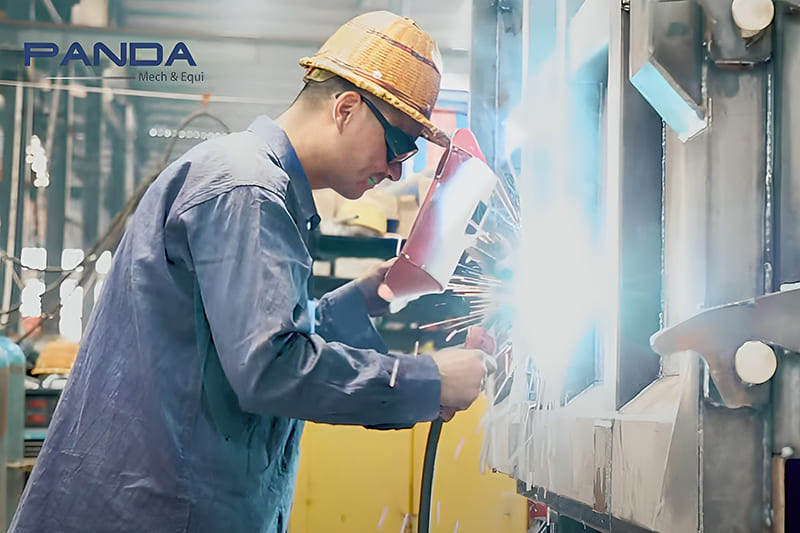
Start With the Operating Conditions
You do not need to arrive with a finished specification. Give us the operating conditions first. We use them to narrow down the technical setup.
What You Tell Us
What We Work Out
Why the Specification Matters
Two trailers can both be sold as “50 ton” but give you different legal payload, unloading performance and operating cost.
Engineering Flow
Each step affects the next one. We start with the material and payload, then work through the road setup and unloading system.
What powder is carried and how heavy it is for its volume.
How many tons you need to move on each trip.
GVW, axle limits and load distribution in the destination market.
Tank volume and trailer tare needed for the target load.
Compressor, pressure and aeration needed to make the powder move.
Pipe, hose, vertical lift and receiving-silo conditions.
Usable payload, unloading time and remaining material after discharge.
Three Questions We Solve
These three questions catch most of the problems that later show up as low payload, slow unloading or a poor match with the receiving site.
We check bulk density, tank volume, tare weight, gross vehicle weight and axle loading together.
Open Capacity EngineeringWe check compressor airflow, working pressure, aeration and the discharge path as one system.
Open Pneumatic Unloading EngineeringHorizontal distance, vertical lift, pipe bends, silo venting and backpressure can all change the result.
Check Unloading ConditionsFind the Right Engineering Page
You do not need to know whether the problem is “airflow” or “aeration.” Start with what you are trying to choose or what you can see during operation.
| If you need to know… | Start here |
|---|---|
| How many tons can the tanker really carry? | Cement Tanker Capacity |
| Why are two “50 ton” quotations different? | Cement Bulker Specifications |
| How does a cement tanker unload powder? | How a Cement Tanker Works |
| What compressor does the tanker need? | Air Compressor Engineering |
| Why is pressure high but flow is slow? | Working Pressure |
| Why does cement stay inside the tank? | Aeration System |
| Why is the total unloading cycle too long? | Unloading Time |
Capacity Engineering
A larger tank does not automatically give you a larger legal payload. The real limit may come from tank volume, vehicle weight or axle loading.
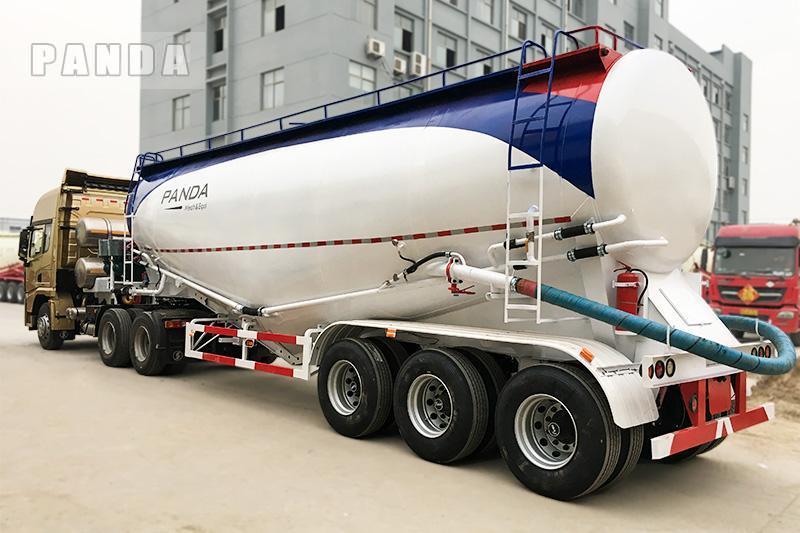
Tank volume is measured in cubic metres. Payload is measured in tons. The powder’s working bulk density connects the two.
Pneumatic Unloading Engineering
The compressor only supplies air. Real unloading performance also depends on aeration, pipe resistance and the receiving silo.
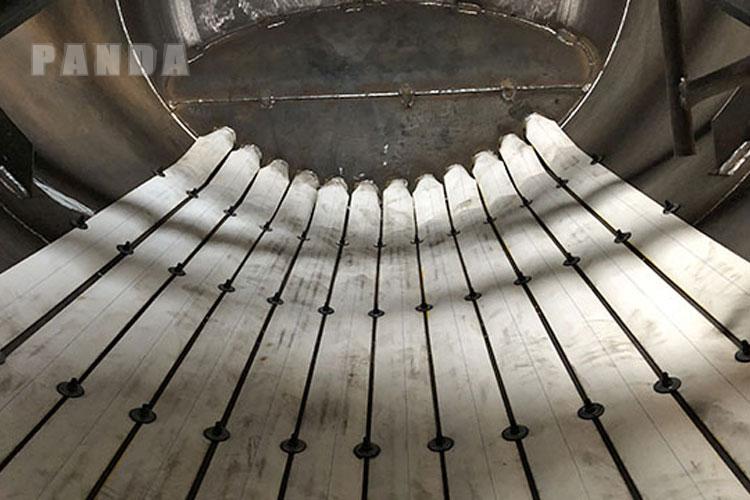
A strong compressor cannot fix every unloading problem. We check the complete air and material path.
What Controls Unloading Time?
If unloading is slow, do not replace the compressor first. Find which part of the system is creating the limit.
Enough usable air must reach the tanker throughout the unloading cycle.
High pressure can mean resistance, not good performance.
Air must spread through the powder so it moves toward the outlet.
Long hoses, small pipes, bends and vertical lift increase resistance.
Poor venting or high backpressure can slow a good tanker.
Troubleshooting
The symptom tells us where to look first. It also helps us avoid changing parts that are not causing the problem.
From Engineering to Production
Engineering only matters if it reaches the finished trailer. These are the parts of the build where the setup becomes physical.
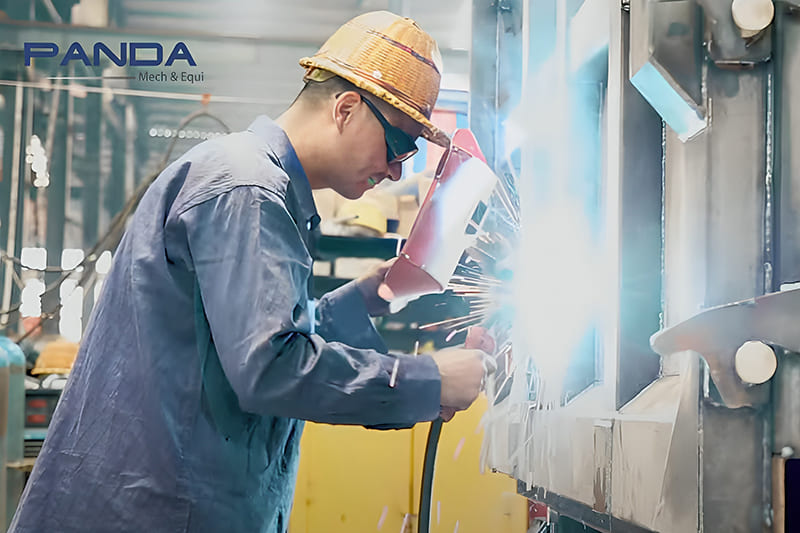
We build the tank and discharge structure around the confirmed setup.
Air distribution inside the tank affects powder flow and final residue.
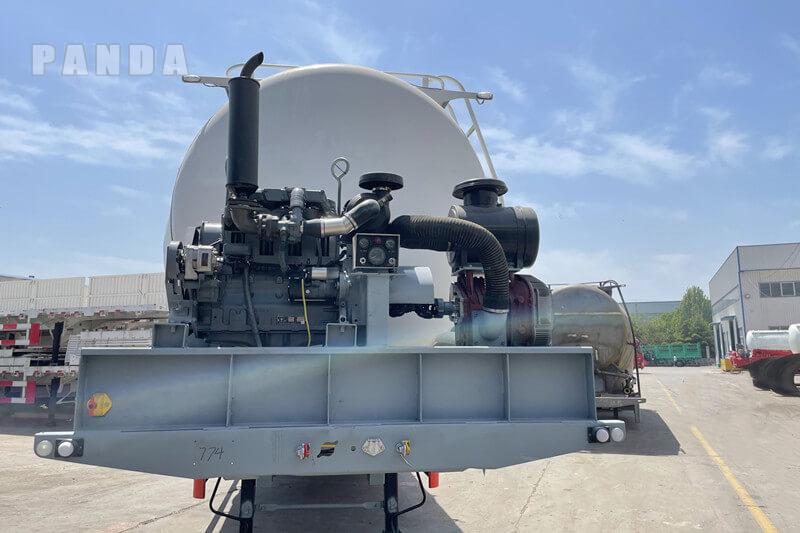
The compressor, air manifold, valves and pipes must work together.
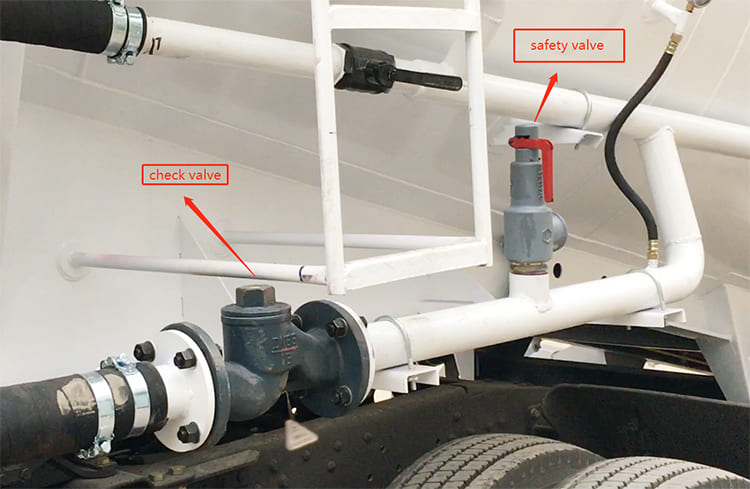
We compare the finished tanker with the confirmed project specification before shipment.
Engineering to Product
The tonnage is a useful starting point. We still confirm the tank, axles and unloading system for the actual project.
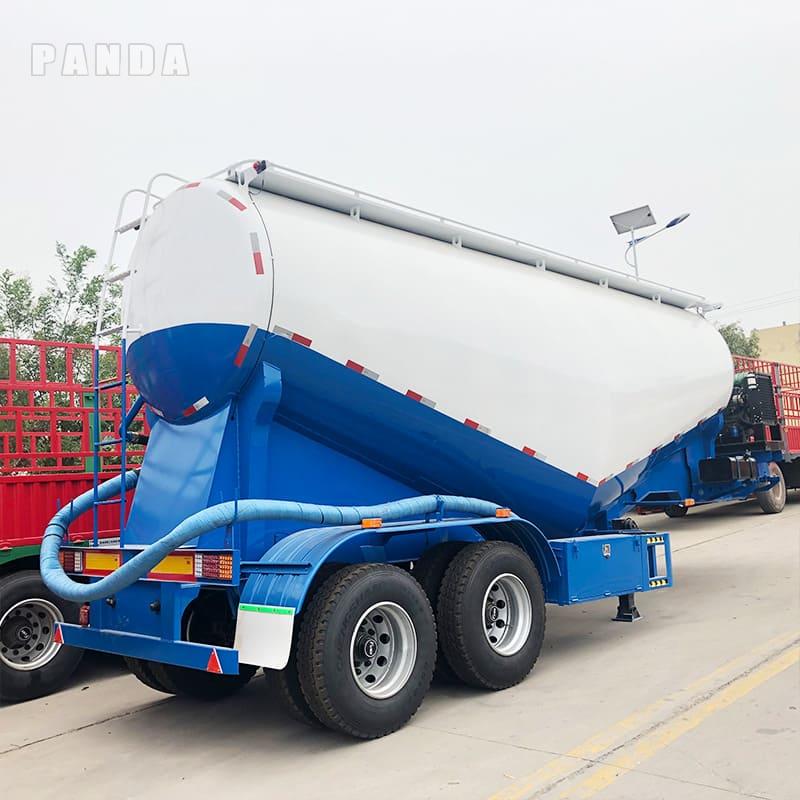
For projects where the required payload or road limits favor a smaller trailer.
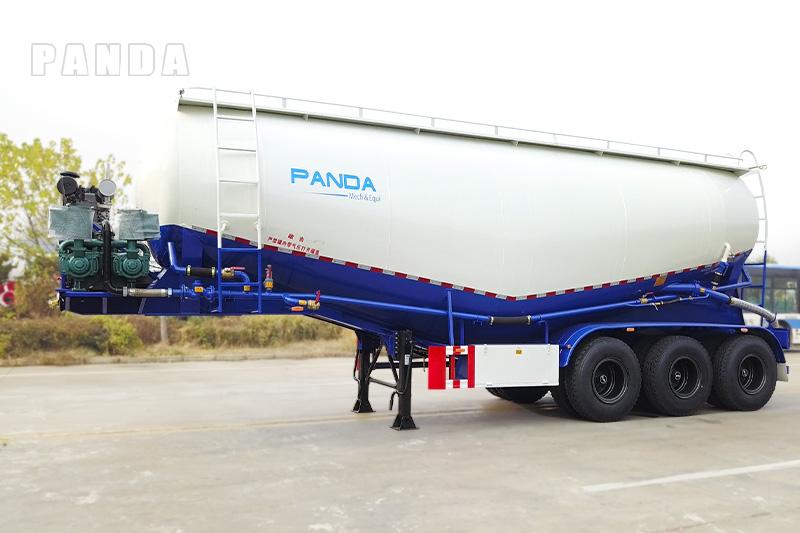
A common direction when payload, tank volume and axle setup need a balanced result.
A key Panda Mech cement tanker class. We confirm legal payload, axles and unloading conditions before finalizing the build.
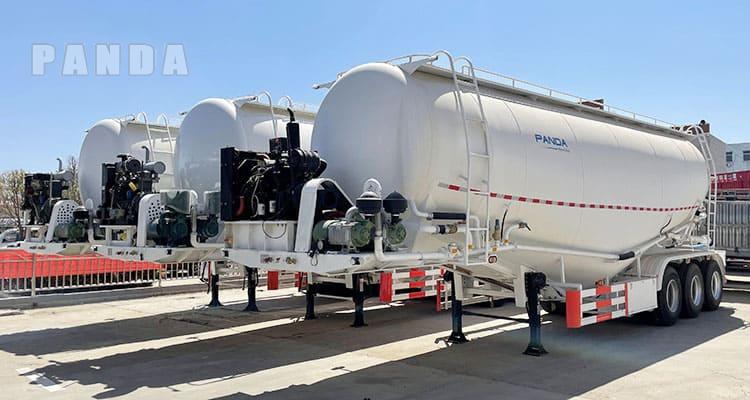
For markets and routes where the larger vehicle setup can be legally and practically supported.
Engineering vs Buying Guides
Use the Engineering Center when you want to understand why a tanker needs a certain tank, axle or unloading setup. Use the Buyer Guides when you want to compare options and decide what to buy.
Start with the material, working bulk density, target payload and local road limits. We then check whether tank volume, gross vehicle weight or axle loading becomes the real limit.
No. Cubic metres measure volume. Tons measure weight. The material’s working bulk density helps connect the two, while vehicle and axle limits decide how much weight can legally be carried.
No. A larger compressor only helps when the aeration system, discharge line and receiving silo can use the extra airflow. We size it as part of the full pneumatic system.
Repeated residue usually means the powder is not moving evenly toward the outlet. We check air distribution, dead zones, powder condition, cleanout steps and outlet resistance.
High pressure can mean the system is meeting too much resistance. We check the valve, pipe, hose, aeration and silo backpressure before changing the compressor.
Send the material, working bulk density, required payload, destination, road limits, discharge distance, silo height and unloading target. We use those details to recommend the tank, axle and pneumatic setup.
Confirm the Tanker Setup
Send us the material, payload, destination and unloading conditions. Panda Mech can help narrow down the tank size, axle setup and pneumatic system before you finalize the product.