
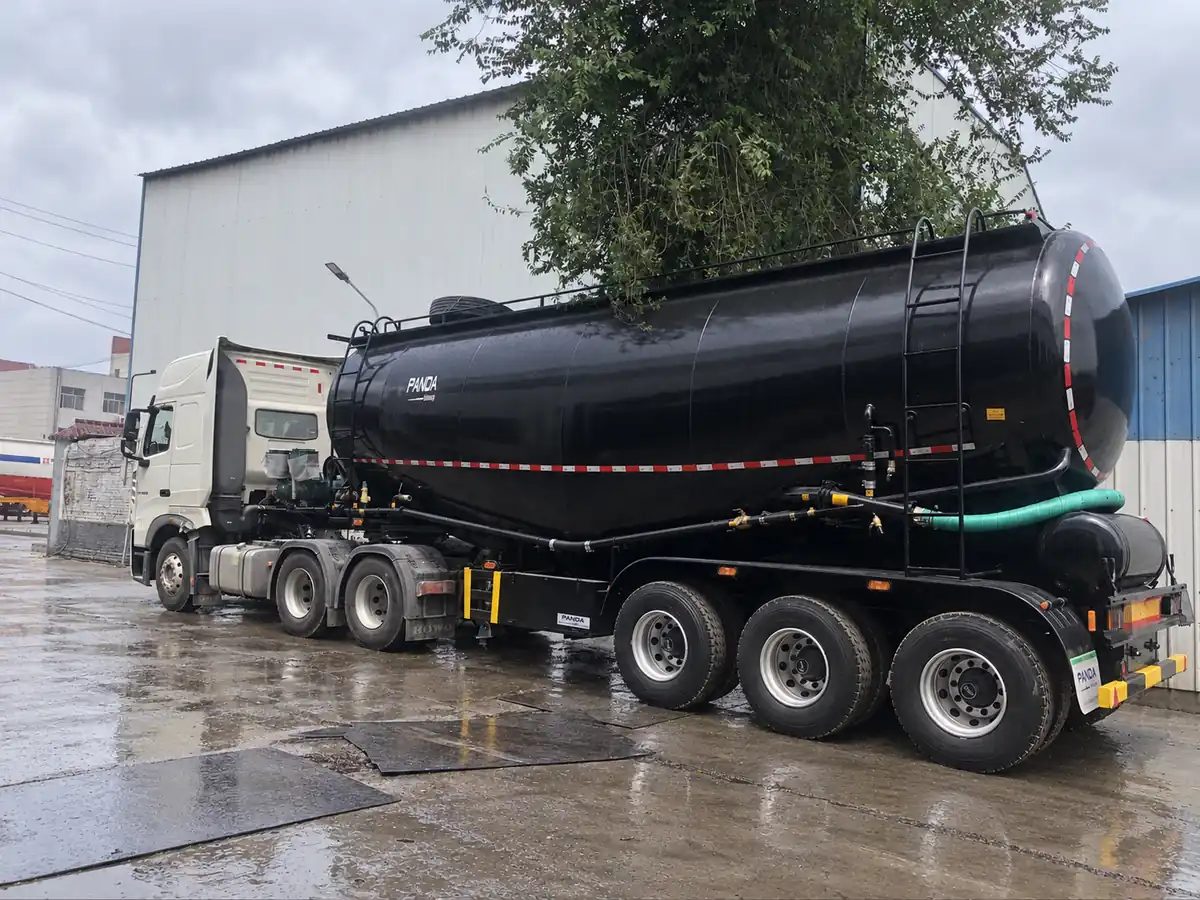
Rainy-Season Road Access Planning for Cement Tanker Fleets
For reliable cement tanker rainy season transport, approve the route and the receiving site as one delivery plan—not just a line on a map. Check official closures and flood warnings,
For reliable cement tanker rainy season transport, approve the route and the receiving site as one delivery plan—not just a line on a map. Check official closures and flood warnings,
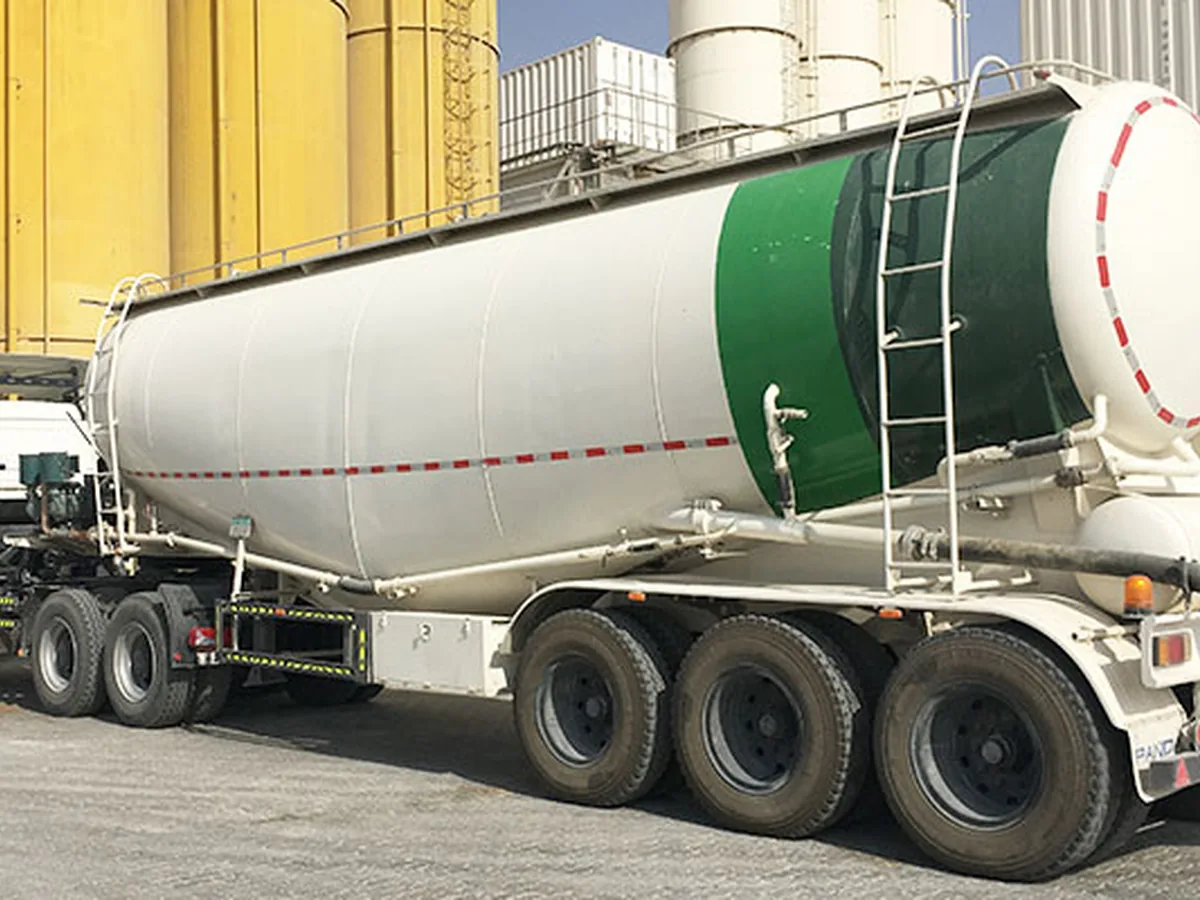
Quick Summary Yes. Automated cement tanker unloading can control valve sequences, pressure monitoring, silo interlocks and event logging, but it does not automatically remove the need for an operator. A
Multi-silo cement tanker unloading works best when each delivery point is planned as part of one complete pneumatic system. Match the tanker outlet, hose or fixed line, receiving-silo inlet, vent
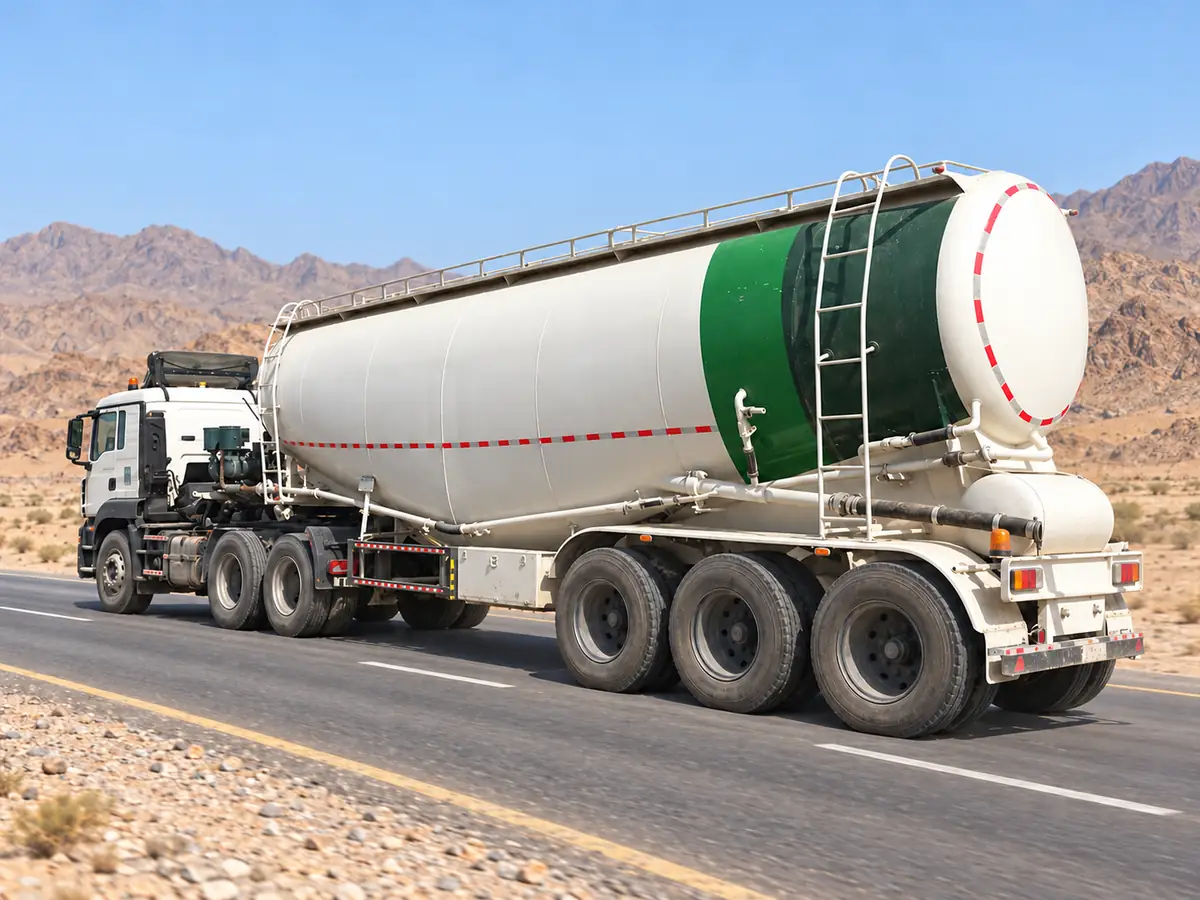
Cement tanker high temperature operation requires more than a strong steel tank. For desert highways and GCC construction routes, choose a pneumatic cement tanker by checking the legal loaded weight,
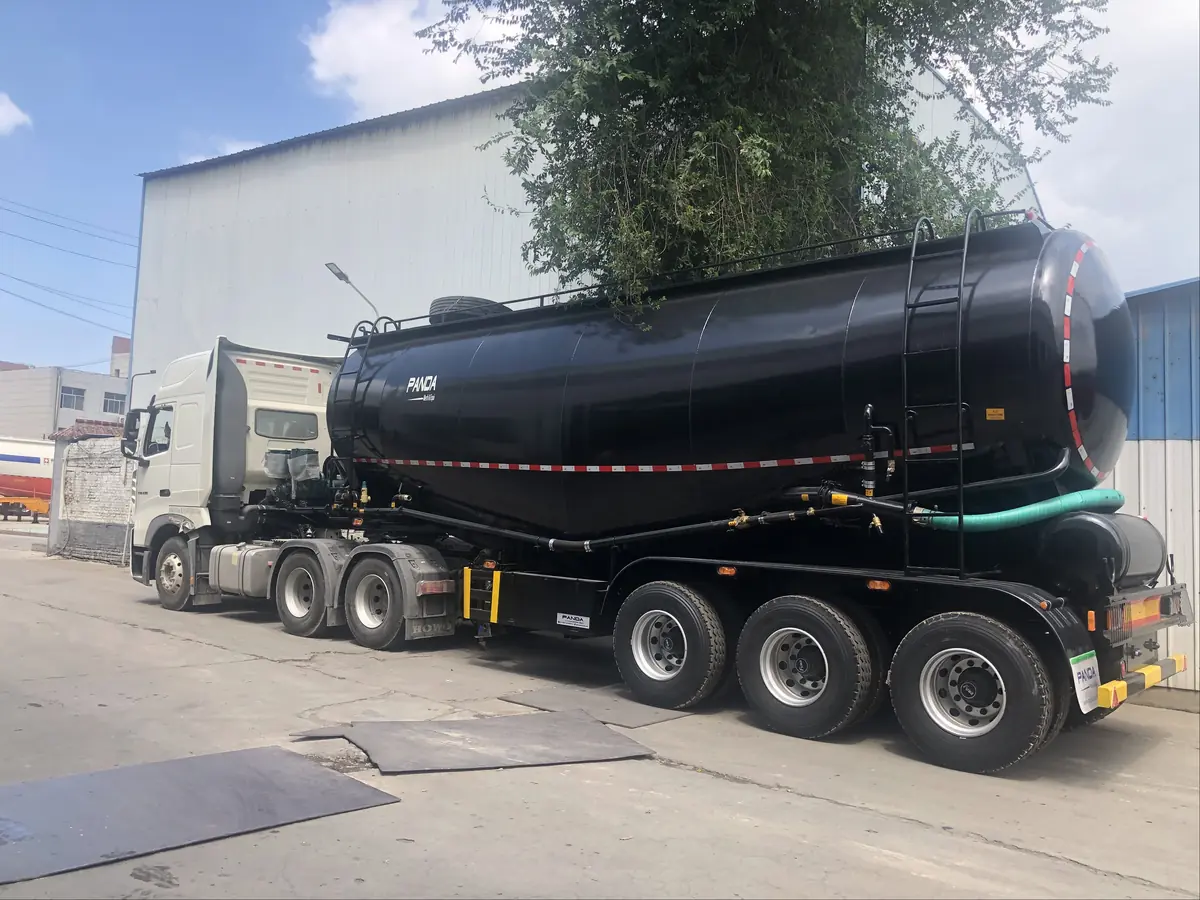
Long-haul and short-haul cement tankers should not be configured from trip distance alone. For regular highway runs, start with the highest road-legal payload that the tractor, tank volume, axles, and
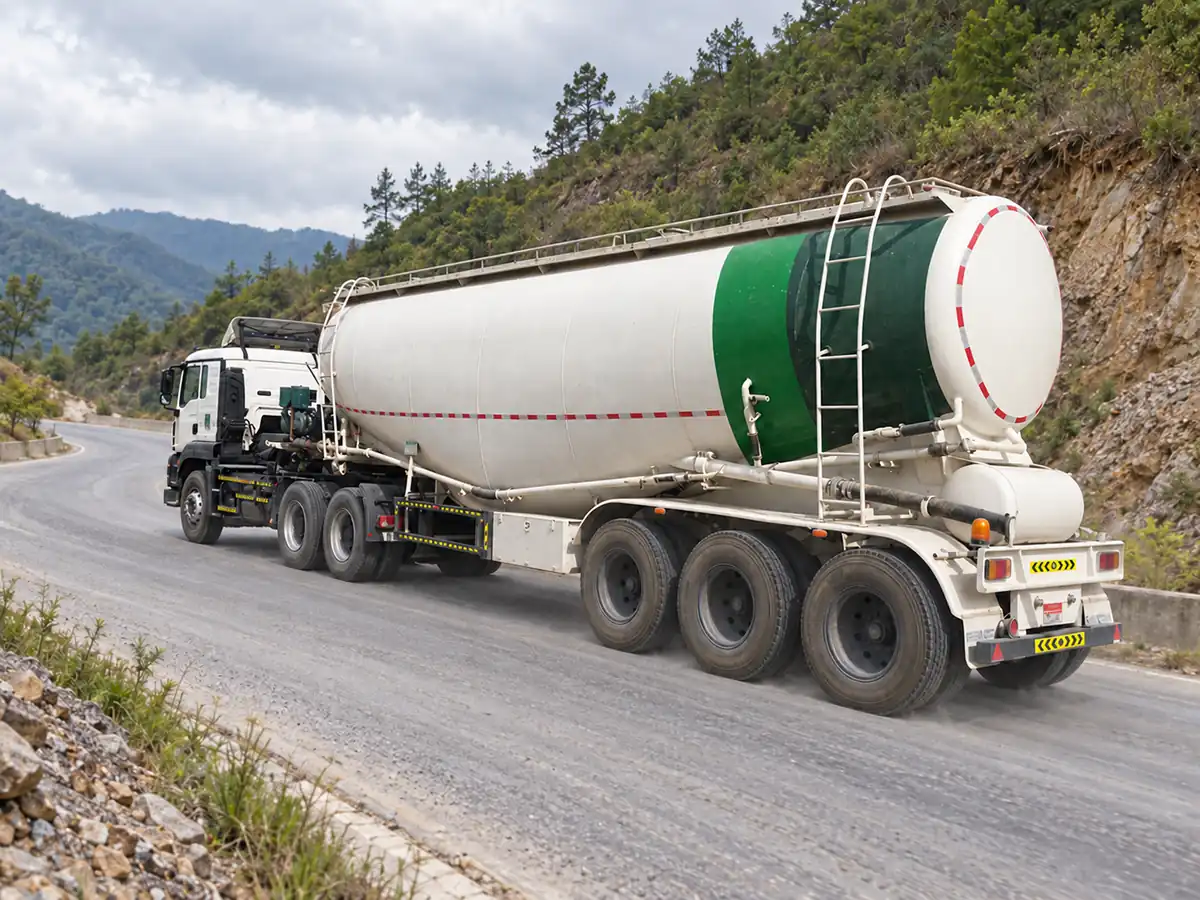
A cement tanker for mountain roads needs a matched tractor, trailer, and route plan—not simply a more powerful engine. For frequent steep starts or loose access roads, a 6×4 tractor
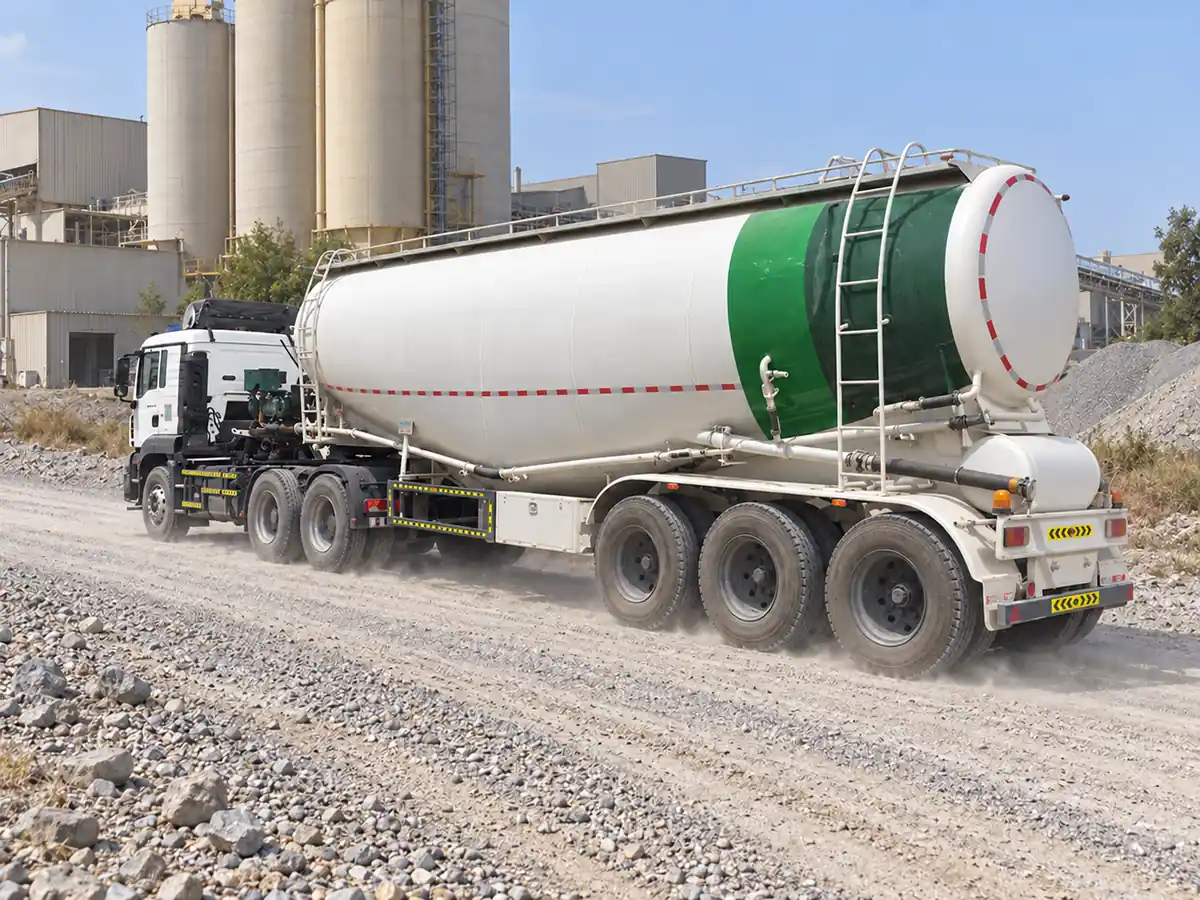
A cement tanker for rough roads should be configured around repeated vibration, chassis twist, axle loads, tire damage and access to repairs—not simply a thicker tank or more axles. For
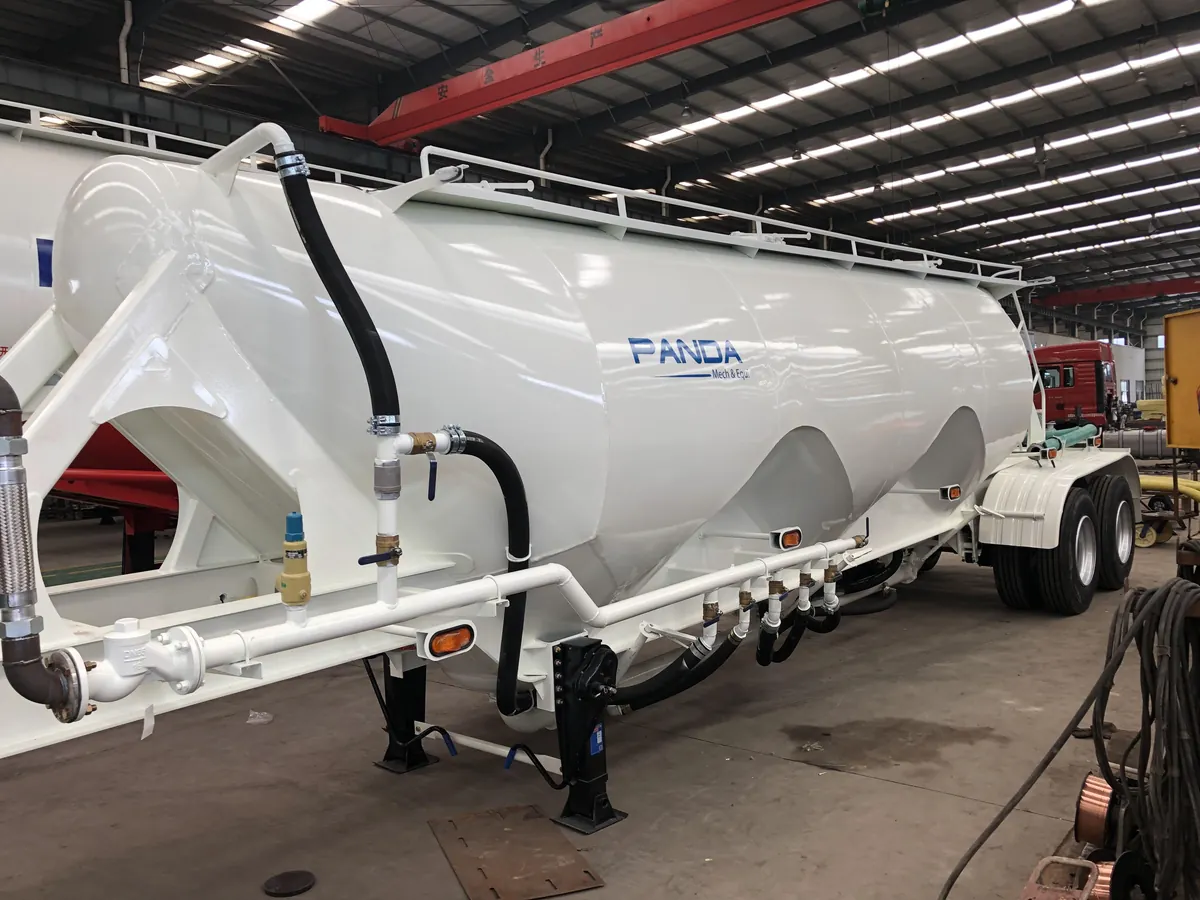
To import a cement tanker trailer from China, first confirm that the exact trailer can be cleared, approved, and registered in your destination country. Then match the tank and running
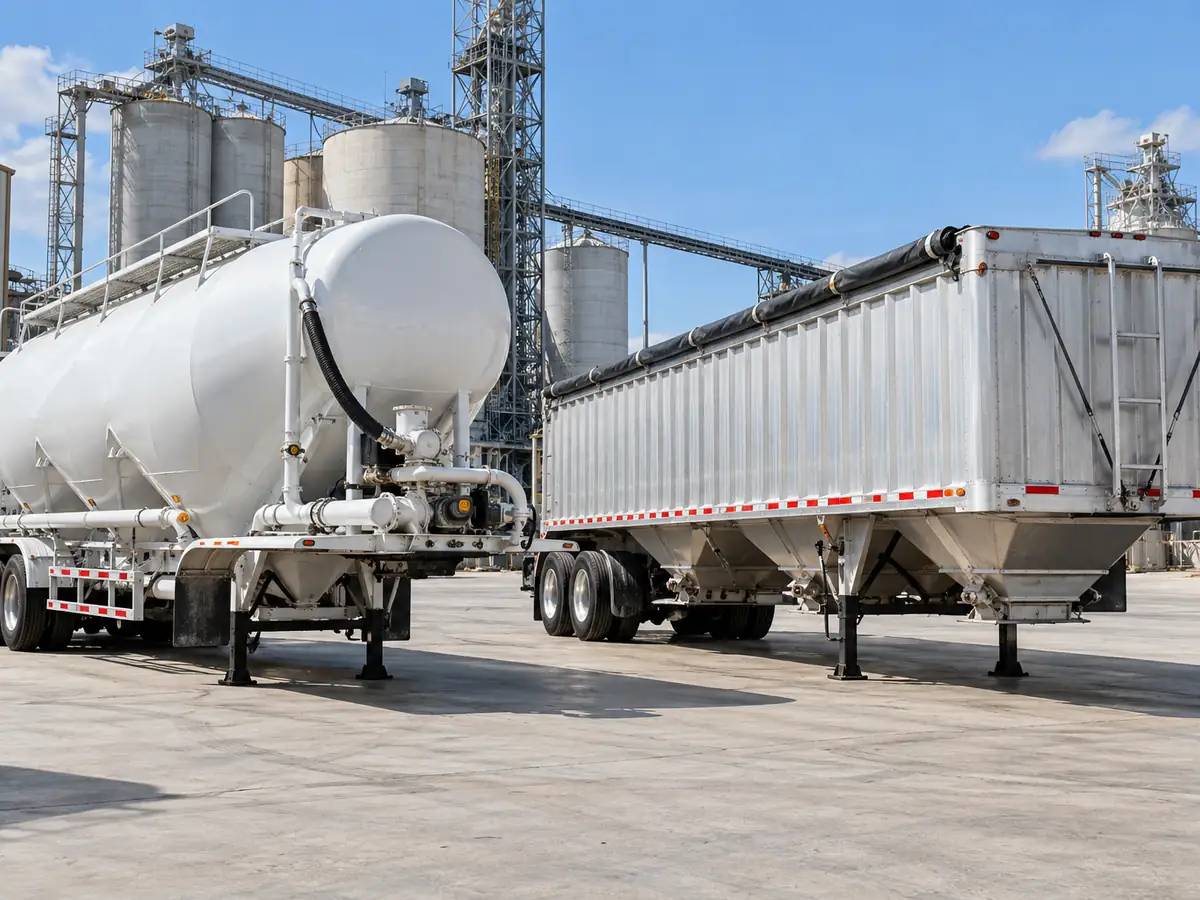
Choose a pneumatic dry bulk trailer when you deliver fine dry powder, such as cement or fly ash, through a hose into an enclosed silo. Choose a hopper-bottom trailer when
A cement tanker axle load calculation starts with the loaded trailer’s center of gravity, its kingpin-to-axle-group distance, and the empty trailer’s weight split. Use moments to calculate how much weight