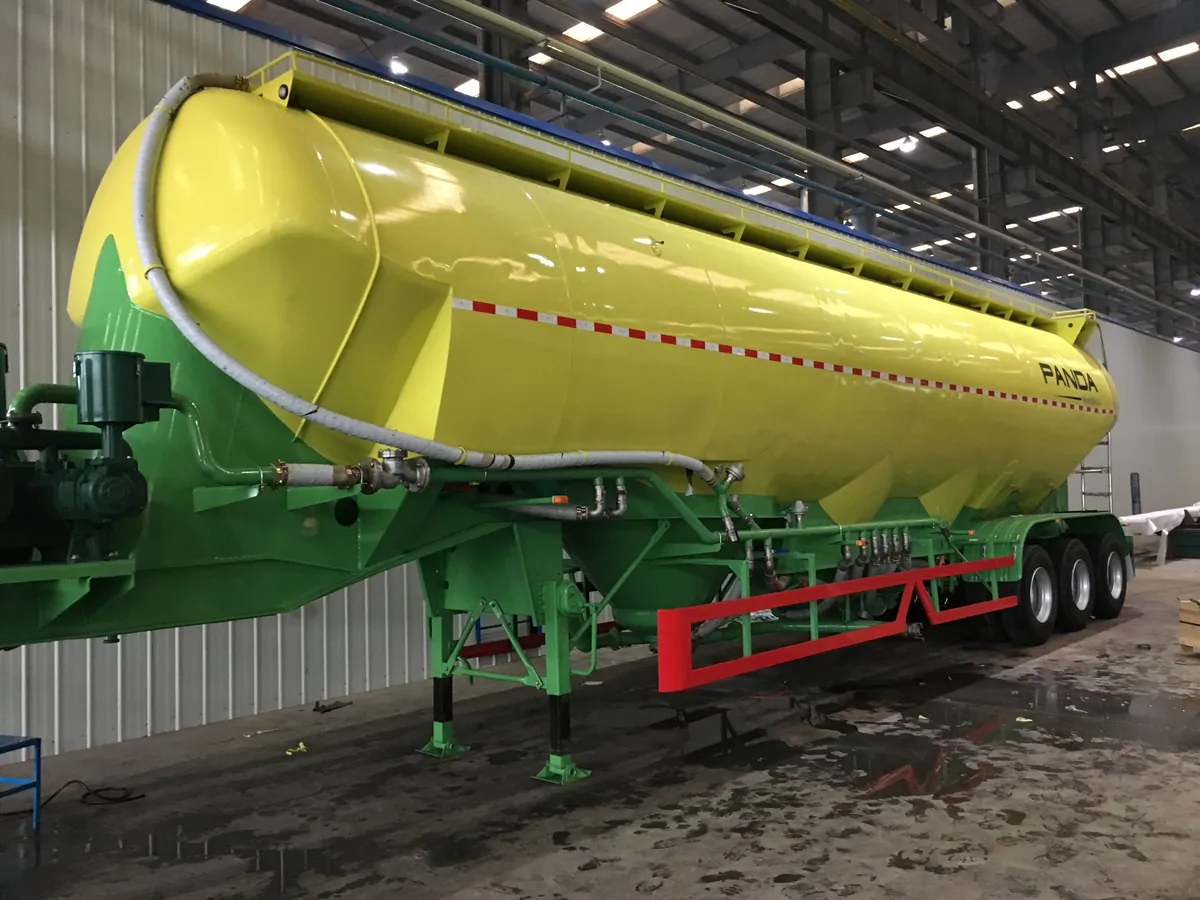
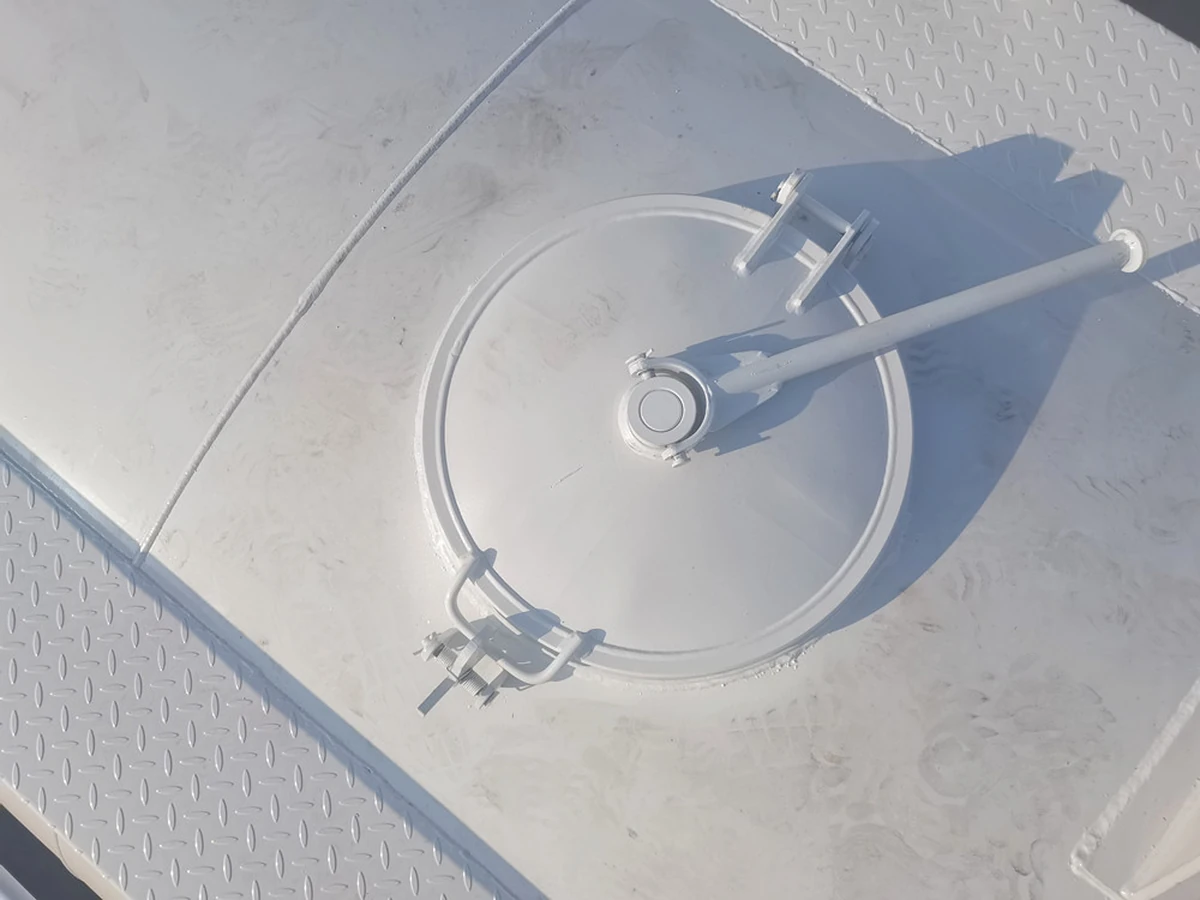
Dry cleaning is a useful starting point for removable dry residue when the approved procedure allows it. Use suitable food-area tools and dust extraction rated for the powder hazard. Avoid open compressed-air blowing that spreads starch and allergens around the bay.
Wet cleaning is needed when the applicable procedure calls for it or dry removal cannot deal with the residue. Match water, cleaning chemicals and the cleaning cycle to the tank material, seals and starch grade. Remove loose powder first where the procedure requires it. Adding water to a starch deposit can make removal harder, especially with cold-water-swelling grades.
A practical release sequence is:
- Identify the change. Link the tanker and hose IDs to the previous cargo, next product and required cleaning method.
- Clean all relevant parts. Include the outlet, seals, product piping, hose ends and any product-contact aeration parts. Use the equipment’s safe access and isolation arrangements.
- Inspect and verify. Look for residue, moisture, odor, damaged seals and foreign material. Complete the additional tests required for the identified hazard.
- Record the result. Keep the method, date, inspected parts, test results where required, and the person authorizing release together.
- Protect the clean path. Reassemble correctly, cap the hose ends and close or seal the agreed openings before loading.
Verify the hazard that matters
Visual inspection finds visible residue; it does not measure a specific allergen. If wheat or milk carryover is the concern, use the relevant verification method and acceptance criteria in the validated procedure. Sample the difficult locations that could retain that residue, rather than only the easiest flat surface.
ATP tests indicate biological residue and are not allergen-specific. FDA’s allergen cleaning guidance explains this distinction. A satisfactory ATP result alone is not the basis for accepting a wheat-to-gluten-free changeover.
If residue or a required test fails, hold the tanker, identify the affected parts, repeat the appropriate cleaning and verify again. If moisture remains, complete drying and reinspection. Do not use the next starch load to flush an unresolved cleaning problem into the customer’s silo.
Check the air that touches the starch
Air also heats during compression. Compare the delivered air temperature with the starch supplier’s handling limits. If cooling or drying is needed, include it in the system design instead of treating it as an afterthought at the first delivery.
Before unloading: match the tanker to the receiving silo
Start transfer only when the receiver has accepted the load, identified the correct silo and confirmed that its capacity and air-discharge system are ready. Complete these checks with the receiving operator:
- Match the delivery. Compare product code, batch, tanker and seal numbers with the order. Hold the load if the identity or seal record does not match.
- Confirm the destination and space. Identify the correct fill connection and silo. Check its remaining safe capacity, level indication and high-level protection. Do not choose a connection from proximity or hose fit alone.
- Check the conveying route. Confirm connection size, pipe diameter, total run, vertical lift and bends. Use the intended rated product hose, supported without kinks or sharp bends, with secured couplings.
- Confirm airflow can leave safely. The receiver checks the silo filter, its cleaning system and pressure protection. A blocked filter can restrict transfer and raise silo pressure even when the tanker is operating normally.
- Agree control and shutdown. Establish communication, who watches the receiving system, the permitted operating settings and the response to alarms. Use the applicable tanker and receiving-system instructions for startup, transfer and shutdown.
Starch dust can form an explosive atmosphere under the right conditions; OSHA lists starch among combustible dust materials. Keep transfer enclosed, use the specified conductive equipment and bonding/grounding arrangements, and control ignition sources under the site’s dust-safety plan. A dust cloud or failed connection calls for a controlled stop, not continued transfer while someone tightens a live coupling.
For a new grade or a new receiving route, record the first agreed trial: load mass, line route, air conditions, pressure trend, transfer time, residue and received-product condition. Agree acceptable results before making the delivery time a routine dispatch promise.
What should you do when starch unloading slows down?
Use when and where the slowdown occurs to choose the first investigation. If pressure becomes abnormal, dust escapes or an alarm operates, stop and follow the shutdown and isolation procedure. Do not raise pressure to force a suspected blockage through.
| What you observe |
First investigation |
Before restarting |
| Slow from the start at every site |
Air delivery, leaks, valve condition and the batch’s moisture or flow behavior |
Restore the identified fault and confirm the air and product conditions |
| Slow only at one receiving plant |
That site’s pipe route, bends, filter and receiving conditions |
Have the receiver clear the restriction or correct the plant-side fault |
| Flow fades while pressure rises |
A developing restriction, poor air escape or changing material flow |
Investigate both the discharge route and receiving system; do not assume the compressor is too small |
| Dust at a coupling or hose |
Connection integrity, hose condition and sealing |
Isolate, depressurize and repair before resuming |
| More residue remains after otherwise normal transfer |
Aeration, outlet condition, powder deposits and changes in grade |
Inspect safely and establish why the tank is not emptying as expected |
These observations narrow the investigation; several faults can produce the same symptom. Compare with a successful delivery of the same grade and similar load through the same route.
Before opening a hatch or disconnecting a hose, isolate the equipment, release pressure through the designed system and verify zero pressure. Tank entry requires its own confined-space controls. After repair, the carrier and receiver should also decide whether the interruption, moisture or damaged parts affected the starch before completing the delivery.
Plan the next starch load with the right tanker
For reliable bulk starch transport, choose the food-powder route for food starch, settle the cargo changeover before loading, and match discharge to the customer’s silo. Use usable volume and this batch’s density to plan the load; use the agreed cleaning and receiving checks to decide when it can move.
At Panda Mech, we use the cargo, payload, route and receiving conditions to review a food-powder tanker configuration. Send the exact starch and supplier code, previous-cargo plan, tonnes per trip, destination, silo height, line length and pipe size through our contact form. Start with these details in the message. If you have a product sheet or site photos, tell us what is available so we can arrange how to share them.
Questions that come up between loads
Can we keep the same settings when the starch supplier changes?
When the starch supplier changes, compare the new product code, starch type, bulk density, moisture specification and handling instructions with the previous grade.
If the food operator accepts the cargo change and the handling requirements remain within the existing equipment’s approved conditions, use the previous delivery record as a baseline and monitor the first agreed load.
If the new grade has different flow characteristics, moisture sensitivity or swelling behavior, review the material and conveying arrangement before routine deliveries. Agree a trial that records load mass, route, air conditions, transfer time, residue and received-product condition.
If a new problem appears, identify when it starts and what changed. A delay at one plant calls for a different first investigation from a problem that follows the new grade across several comparable receiving sites. Use that comparison to select the next check and establish a workable delivery schedule.
Is a dedicated hose enough if the tanker is shared?
No. A dedicated hose only controls the hose’s part of the product path. Residue in the tank, valve, gasket or aeration components can still enter the starch. Keep hose identity in the records, but release the complete system for the next load.
How do we check whether starch is still inside after unloading?
Compare the dispatch and receiving weight records, then inspect the permitted discharge points safely if the balance is unexplained. Account for the weighing basis and any product held in the transfer line. An apparent weight difference is a reason to investigate; it is not automatically tank residue. Do not open or enter a pressurized tank to look for it.