
For a rejected bulk cement delivery, stop the transfer, keep the load identifiable, and get a clear reason before arranging the next move. Separate a suspected product problem from a site that cannot receive the cement. If unloading has started, protect the receiving silo and account for both the discharged material and the cement still on the tanker.
Dry bulk cement travels as powder in a pneumatic tanker. A ready-mix truck carries concrete already mixed with water. The handling decisions for rejected wet concrete do not transfer directly to a sealed load of dry cement.
What should you do as soon as a site rejects the load?
Keep the cement out of the silo until the reason for refusal is resolved. If transfer is underway, stop it through the approved shutdown procedure and alert the site operator. Do not continue unloading while dispatch argues about the booking.
- Establish the unloading status. Record whether the tanker is unopened, connected but not discharging, or partly unloaded. Note the silo and the time of the stop.
- Make the equipment safe. For a connected system, use the tanker and site’s shutdown, isolation and depressurization procedure. Never loosen a pressurized hose coupling or hatch. The vehicle must be safe for travel before leaving.
- Get a specific refusal reason. Ask whether the issue is the cement type, documents, visible condition, quantity, silo capacity, receiving equipment or access.
- Notify the people who can act. The site receiving lead records the site condition; the cement supplier’s quality team handles product suitability; dispatch arranges waiting, return or a new destination.
- Preserve the load and records. Keep closures secured and retain the original delivery paperwork. Get the next instruction in writing, linked to the load number.
The MPA driver’s handbook calls for matching the product to the silo inlet, establishing available capacity and obtaining discharge authority. Its bulk-powder guidance also prohibits removing pipes under pressure or leaving with a pressurized tank.
Why has the bulk cement delivery been rejected?
A refusal does not always mean defective cement. Identify what failed before choosing between a quality hold and a delivery reschedule. Record an observation such as “seal number differs from ticket,” rather than turning it into an unproven conclusion such as “cargo contaminated.”
| Reason given | What to establish | Practical next move |
|---|---|---|
| Wrong cement type or grade | Compare the purchase order, dispatch ticket, loading record and receiving silo label | Hold discharge. Correct a document error only after the supplier establishes the actual cargo identity. |
| Missing or mismatched certificate | Link the required certificate or declaration to the supplied product and relevant production record | Obtain the matching document and site acceptance before unloading. |
| Moisture, hard lumps or suspected foreign material | Record the location, appearance, exposure history and available sample identity | Keep the cargo on quality hold for investigation. |
| Broken or unexplained seal | Compare seal records, loading activity and any documented authorized opening | Preserve the evidence and trace the opening before release. |
| Full silo, alarm, dust release or unsafe connection | Establish available receiving space and the condition of the receiving system | Stop transfer. Resume only after the fault is corrected and the site authorizes it. |
| Quantity disagreement | Compare original scale tickets, units, vehicle identity and any partial discharge | Reconcile the weight records before changing the delivery quantity. |
A full silo is a receiving problem; suspected wet cement is a product problem. Another empty silo may solve the first. It does not solve the second.
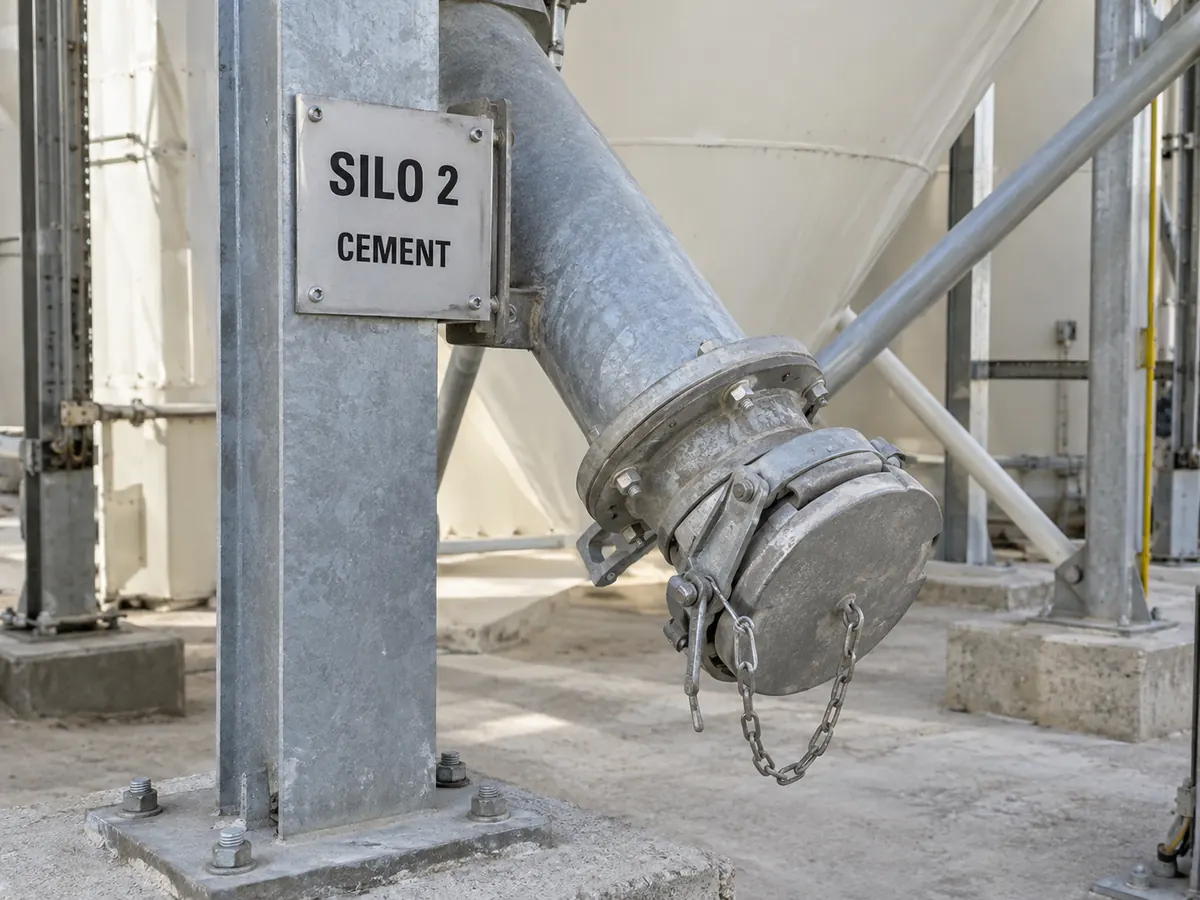
What should go on the rejection record?
Create one record that connects the ordered cement, the physical load, the receiving point and the decision. Dispatch messages alone often omit the exact silo or whether cement had already entered it.
Keep these items together:
- Load identity: order and ticket numbers, supplier and loading location, product designation, relevant batch or production reference, tractor and trailer registration, and seal numbers.
- Quantity: dispatch gross, tare and net weights, their units and scale location; arrival or return weights where available; any quantity already discharged.
- Site events: arrival, connection, transfer start, stop and departure times; receiving silo ID; refusal reason; names and roles of the people involved.
- Evidence: original photos of the relevant seal, inlet label, visible defect or instrument indication; document copies; sample IDs and custody records.
- Instruction: hold location, quality status, authorized next destination, receiving contact and agreed transport arrangements.
Keep the initial observation even if later testing finds a different cause. Add the finding and action rather than overwriting the first entry. If a reading was not taken, mark it “not recorded.”
Give the receiver a copy and request acknowledgment of the facts. A note can say, “Delivery stopped before discharge; certificate reference did not match the ticket.” This records an event without pretending that the driver has completed a cement quality assessment.
Written notification and return approval can have specific contract requirements. For example, Continental Cement’s published terms require consent for returns and supporting delivery records for loss or damage claims. Use the notice process and deadlines in the actual supply agreement.
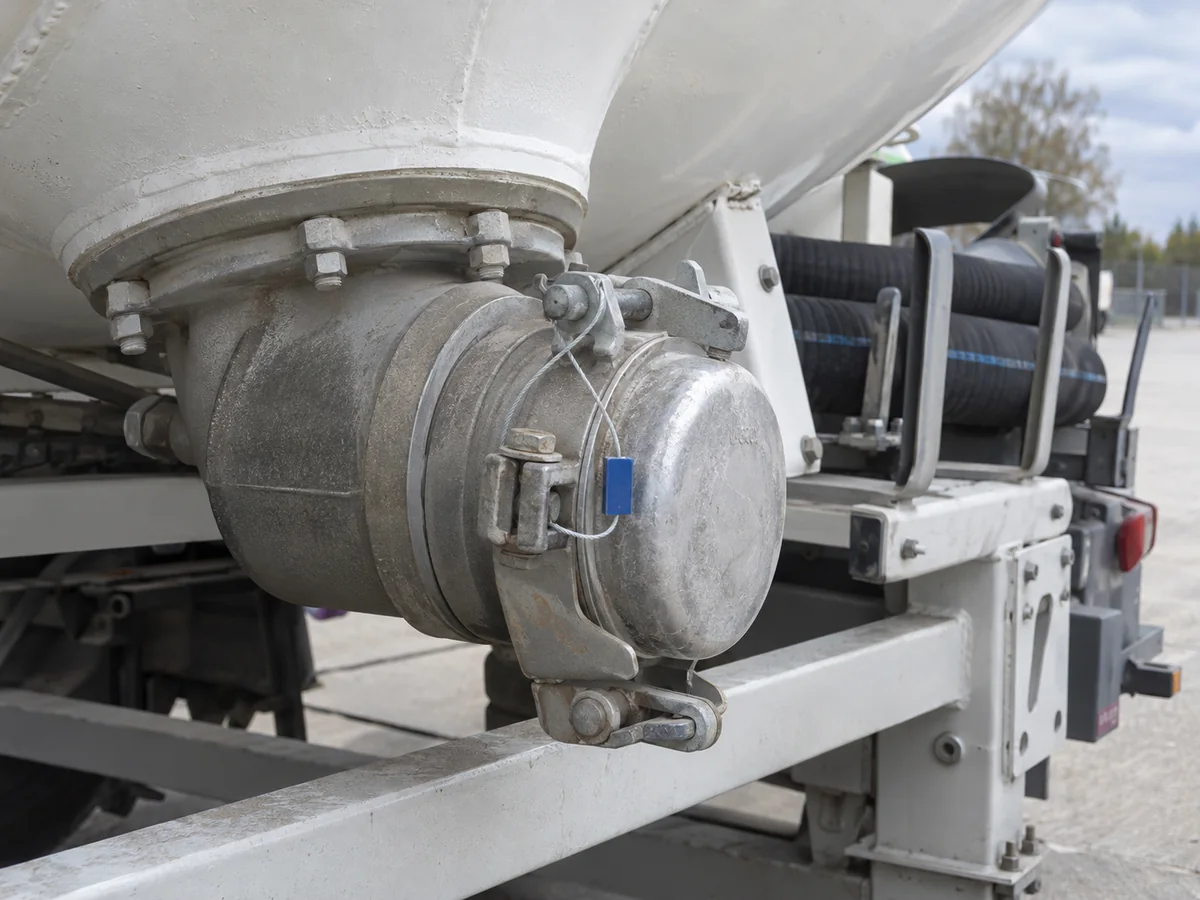
How do you handle a suspected cement quality problem?
Keep the affected load on hold until the supplier’s quality team and the receiver resolve the disputed requirement through traceable records and suitable testing. A certificate belongs in that investigation, together with evidence of what happened after loading.
Establish what is actually being disputed
Name the issue: incorrect product identity, suspected moisture exposure, foreign material, or a stated property outside the ordered specification. Ask for the relevant requirement and the observation or test behind the refusal. Different concerns need different evidence.
A pressure rise during unloading, for example, can come from a restricted transfer path or receiving silo. It does not by itself establish that the cement fails its material specification. Our pneumatic unloading system guide explains how the air supply, line and receiving system interact.
Keep samples traceable and safe
Agree on the sampling method, the lot it represents, the tests and the laboratory before using a sample to settle the dispute. Link each container to the load, sampling point, time, sampler and seal. Retain the agreed comparison samples in suitable sealed containers protected from moisture. Compare the retained loading sample with an arrival sample when investigating possible exposure in transit. Record where each was taken, because localized wet material can be missed by a sample from another part of the load.
The public scope and use statement for ASTM C183/C183M describes sampling and testing manufactured hydraulic cement against purchase specifications. The applicable cement specification and disputed property determine the test program; a generic visual check cannot replace it.
Use a designed sampling arrangement and trained personnel. Do not crack a coupling to catch powder or open a pressurized tanker. CEMEX’s ground-level sampling example addresses both fall risk and sampling from pressurized equipment.
The decision record should identify the material covered, the result, who released or rejected it, and its next destination. Keep unresolved or nonconforming cargo separate from accepted stock.
What changes if some cement has already been unloaded?
Treat partial unloading as two linked jobs: protect the material already received and control the remainder on the tanker. Returning the vehicle does not resolve what entered the silo.
If the concern is wrong grade or contamination, the receiving plant should stop using the affected silo and prevent further additions until its quality team defines the affected stock. Record the silo’s previous contents, transfer times and any batches made after the delivery began. If production continued, trace those batches and any onward deliveries for the quality team’s assessment.
If the stop came only from a full silo or equipment fault, the material may remain acceptable. The site still needs to resolve the receiving fault and authorize further transfer. Keep this case separate from a product quality hold.
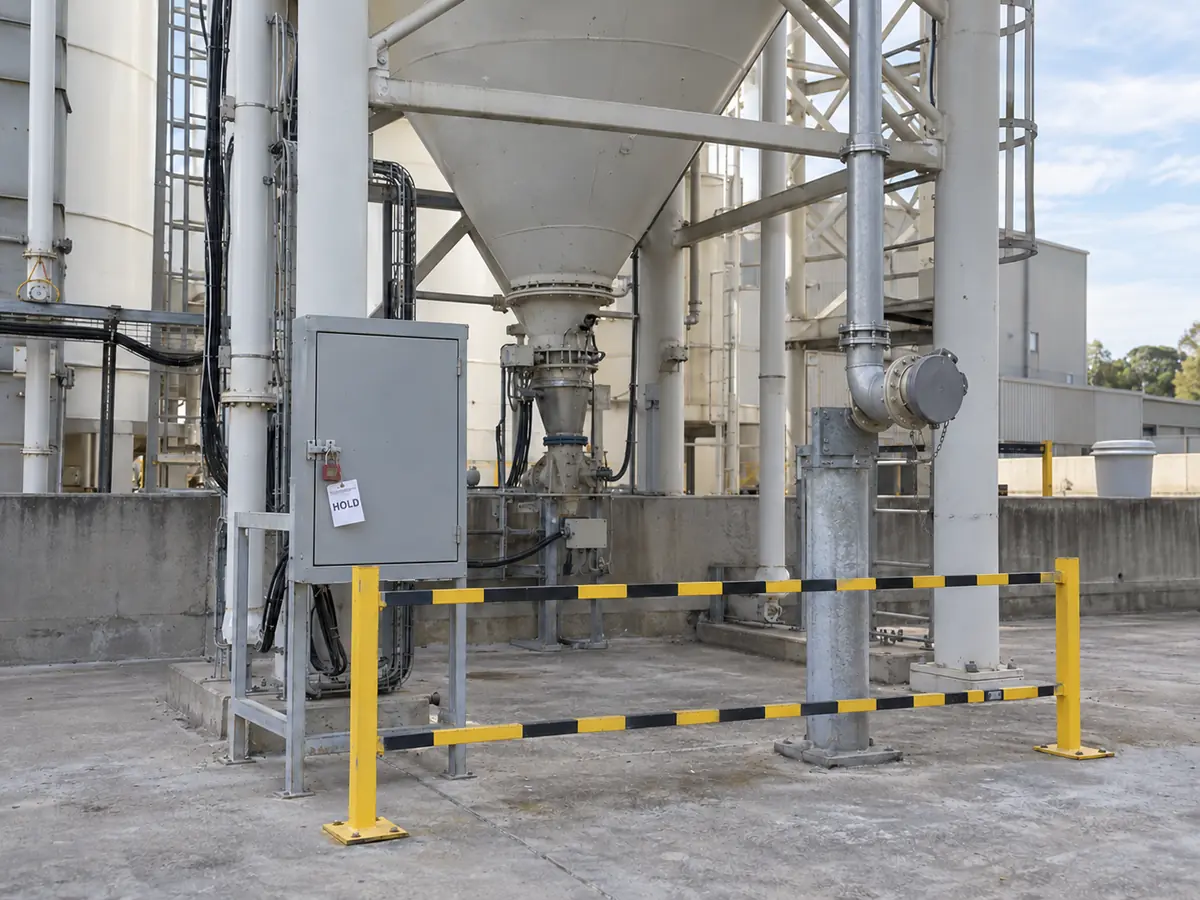
Reconcile what left the tanker
Use comparable weighing records to establish the discharged and remaining quantities. Silo level readings and minutes of compressor operation are not substitutes for a reliable mass record.
For example, suppose a load began at 28.0 tonnes, and comparable weighing establishes 19.6 tonnes remaining. The discharged amount is:
28.0 − 19.6 = 8.4 tonnes.
The two quantities reconcile to the original load. This is a quantity balance, not the contamination percentage inside the silo. For gross-weight comparisons, account for changes in the tractor/trailer combination, fuel, people and other non-cargo weight; record scale differences that affect comparability.
Do not improvise a reverse transfer from the silo into the delivery tanker. Any recovery needs separately planned equipment, segregation and quality approval. Preserve the remaining cargo’s identity and document where it goes.
Should you wait, return the load or redirect it?
Choose the next move only after establishing the load’s quality status and a destination that can receive it. A cheaper journey is useful only when the material and receiving arrangements are acceptable.
| Option | Choose it when | Arrange before acting |
|---|---|---|
| Wait at the site | Cargo is acceptable and a document or receiving-capacity issue has a credible resolution time | Safe holding space, a named contact, a review time, and a workable driver-hours plan |
| Return to an agreed location | Quality remains unresolved, the order is wrong, or no suitable receiving option is available | Supplier return authorization, a receiving or quarantine location, arrival arrangements and load records |
| Redirect to another site | The supplier has released the cargo for that use and another customer needs the exact product | Revised delivery instructions, receiver approval, matching silo identification, capacity, safe access and a feasible route |
Do not send a suspect load to another customer as ordinary surplus. Similarly, do not return it to a plant expecting automatic discharge into clean stock. The receiving team needs the rejection reason and quality status before the vehicle arrives.
Compare the additional waiting time with the return or diversion time, driver availability and disruption to the next booking. Include extra distance, handling, testing and any applicable detention or redelivery charges. Record who authorized the move and how the costs will be handled.
Supplier conditions can treat diverted loads separately. Wagners’ cement terms specifically address renegotiation of diverted loads and additional cartage. That is a reason to settle the instruction and commercial terms before moving, rather than assuming an unchanged delivered price.
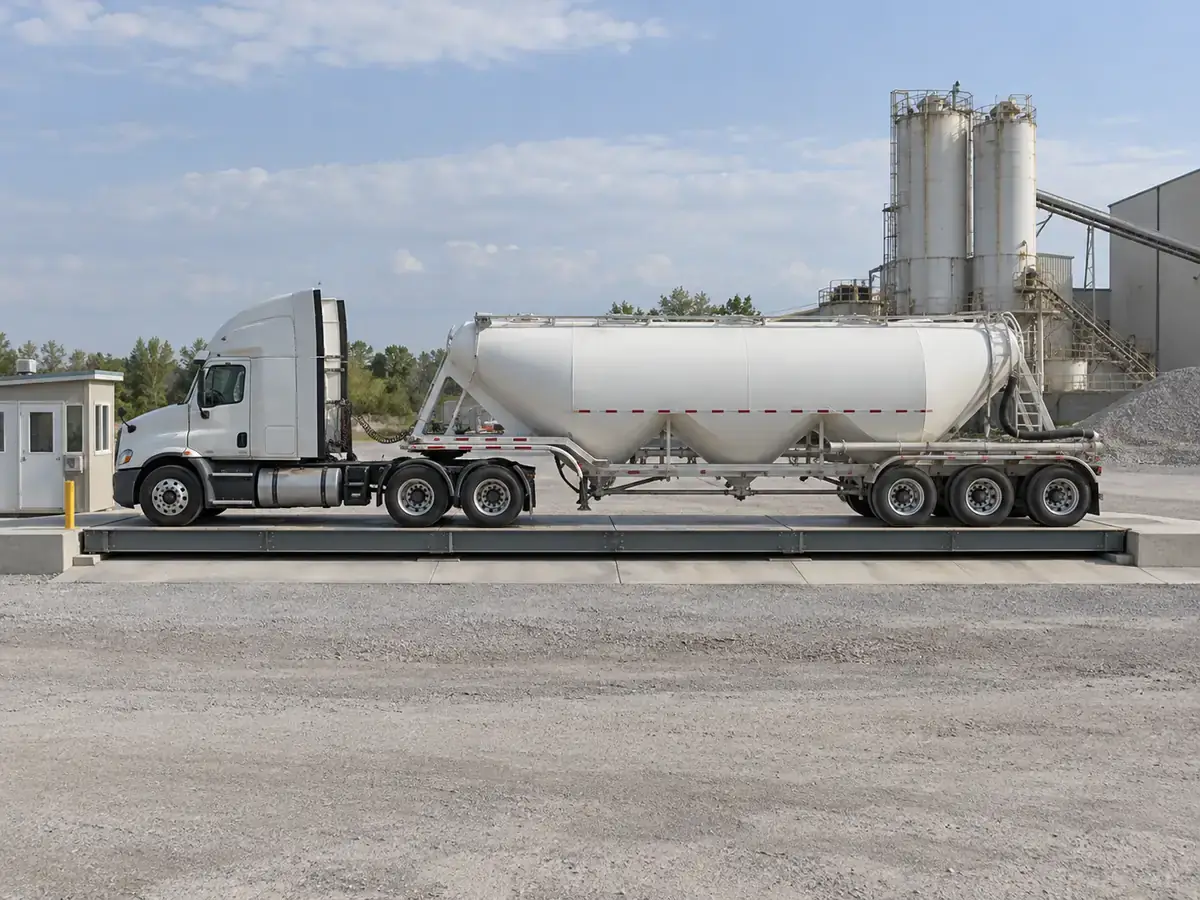
How can you prevent another rejected delivery?
Turn the recorded refusal reason into a specific change at loading, dispatch or receiving. “Be more careful” does not fix an unclear silo label or a certificate that never reaches the operator.
- Wrong product or paperwork: match the order, loading source, ticket and required quality documents before dispatch.
- Seal discrepancy: record closures and seal IDs at loading, with a record of any authorized opening.
- Moisture or carryover concern: investigate the relevant closures, previous cargo, cleaning and discharge path before the next load.
- Full or unavailable silo: have the receiver confirm the correct inlet and available capacity before sending the vehicle.
- Repeated transfer faults: compare the hose route, connection, air system and receiving filter under the conditions where the fault occurred.
When planning equipment, our 50 ton cement tanker is a configuration reference for bulk cement transport. Match the actual payload, road limits and unloading interfaces to the route. Tanker size alone does not settle product acceptance or receiving-silo readiness.
For a rejected bulk cement delivery, keep the material traceable, resolve the actual refusal reason, and document the approved next move. If unloading began, close the investigation for the receiving material as well as the remainder.
For tanker configuration questions, send us your cargo, required payload, destination, tractor details, silo height and discharge distance. We can discuss the transport and unloading setup through our contact page.
Frequently asked questions
Does dry bulk cement have the same delivery time limit as ready-mix concrete?
Do not apply a wet-concrete discharge clock to dry cement powder. For a delayed tanker, assess product identity, moisture protection, closure integrity and the supplier’s storage and acceptance requirements. A delay alone does not establish a quality failure; an unresolved quality concern still needs release before delivery.
Can a site reject cement because its color looks different?
A color difference needs investigation, but it does not alone identify the wrong grade or prove nonconformance. Heidelberg Materials’ CEM I 52.5N data sheet notes possible color variation with raw materials and manufacturing works. Compare identity records and the relevant requirements before deciding.
What if the receiver refuses to sign the rejection note?
Record the refusal to acknowledge, preserve the evidence, and send the factual record through the agreed notification channel. Include the time, contact and unloading status. Keep the supplier and dispatch informed; do not invent a signature or treat silence as permission to unload.
Can a rejected load remain on the tanker overnight?
An overnight hold needs a secure, suitable parking location and a clear instruction for the cargo. Keep the tanker closed and safe, preserve its quality status, and arrange the next review. Driver rest, vehicle availability and the receiving appointment must also be planned; parking overnight is not quality release.
Who pays for the return trip and waiting time?
Use the actual supply and haulage agreements, the recorded events and the agreed remedy. Identify each cost separately and notify the relevant party promptly. A site refusing the load does not, by itself, settle whether the supplier, receiver or haulier must pay.
Can hardened lumps be crushed and blended into the next load?
Do not crush or blend suspect material into accepted cement to make the issue disappear. Keep it separate for quality assessment and an approved disposition. Removing visible lumps does not establish that the remaining material meets the ordered specification.

ZAC
Hello, I’m ZAC, a cement trailer and semi-trailer specialist with over 20 years of industry experience. My technical approach starts with real operating conditions, including how cargo characteristics, road conditions, and loading and unloading methods affect trailer performance. I place particular emphasis on structural reliability, component compatibility, and ease of maintenance. I look at both everyday performance and how reliably a trailer operates over time, as well as how easily it can be inspected and serviced.


