
4 Axle Cement Tanker Trailer – 60 Ton 50m³ Cement Bulker
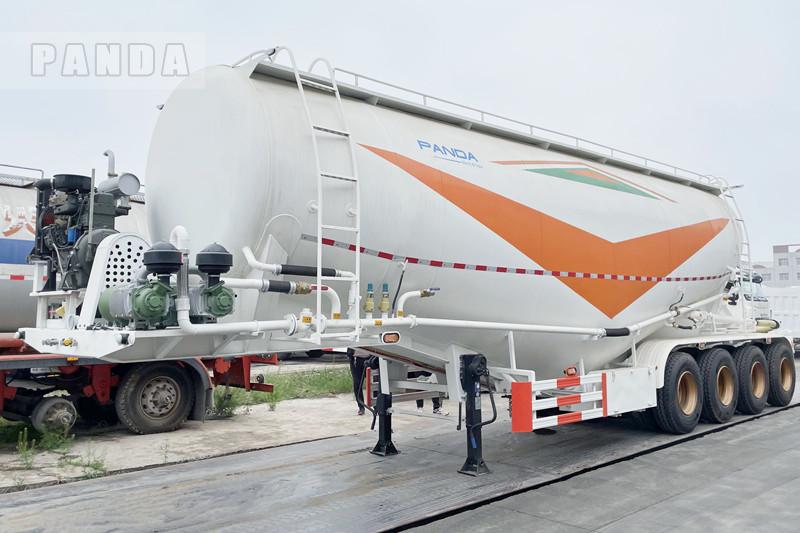
Panda Mech manufactures 4 axle cement tanker trailers for heavy-duty bulk cement transport. This model has a 60-ton design payload and a 50 m³ tank. Its pneumatic unloading system uses compressed air and can unload cement at more than 1.5 t/min under suitable conditions. We can also supply mechanical or air suspension and a separate diesel engine and air-compressor setup.
Why Choose Our 4 Axle Cement Tanker
We build the trailer as a complete transport and unloading system. We match the tank, axles, suspension and air-unloading system to your route, tractor and silo.
Spread Heavy Loads Across Four Axles
Four axles spread the load across more wheels. This can help when your route has strict axle-load limits or your project needs a heavier trailer setup.
60 Ton Payload / 50 m³ Tank
This model uses a 50 m³ nominal tank and a 60-ton design payload. We then match the axles and suspension to your tractor and route.
Unload Cement at More Than 1.5 t/min
The cement unloading rate is above 1.5 t/min under suitable conditions. Faster unloading can reduce the time each trailer spends at the silo.
Built Around Your Route and Silo
Before production, we check your road condition, tractor, silo height and discharge distance. These details affect the final trailer setup.
4 Axle Cement Tanker Technical Specifications
Use this section for technical review. Confirmed model data is shown directly. Items that depend on the route or final equipment package are marked as order-specific instead of using guessed numbers.
Capacity & Tank
| Manufacturer | Panda Mech |
| Trailer type | 4 axle pneumatic cement tanker / cement bulker |
| Design payload | 60 t |
| Nominal tank volume | 50 m³ |
| Available overall size | 10800 × 2500 × 3500 mm |
| Tank shell material | High-strength steel |
| Manholes | 2–4 sets option |
| Tank thickness | Confirm for final order |
Axles & Running Gear
| Axles | 4 |
| Suspension | Mechanical or air suspension |
| Axle brand / rating | Selected for route, payload and service requirements |
| Tire size / quantity | Order-specific |
| Brake system | Configured for destination and axle package |
| ABS / EBS | Confirm for destination |
| Landing gear | Order-specific |
| Kingpin | Matched to tractor and fifth-wheel requirement |
Pneumatic Unloading System
| Cement unloading | >1.5 t/min baseline |
| Diesel engine | Weichai / Deutz option |
| Discharge valve | 4-inch disc valve |
| Compressor / blower | Matched to silo height, discharge distance and unloading target |
| Air flow | Confirm with final pneumatic package |
| Working pressure | Confirm with final pneumatic package |
| Pipeline setup | Matched to receiving-silo and discharge conditions |
| Residual material | Confirm with final pneumatic-system specification |
Ordering Information
| Typical production | 7–25 days depending on configuration and quantity |
| Payment | Generally 30% deposit + 70% before shipment |
| Shipping time | Depends on destination and sailing schedule |
| Response target | Within 1 hour for complete project inquiries |
| Customization | Route, tractor, cargo and unloading conditions can change the final setup |
| Final approval | Quotation + production drawing before manufacturing release |
See Our 4 Axle Cement Tanker in Detail
Watch the real product video to see the four axles, tank structure and air-unloading system. It gives you a clearer view before you request a final drawing.
How the Pneumatic Cement Unloading System Works
The system uses compressed air to move cement out of the tank and into the receiving silo. The steps are simple even though the final air package must be sized for the job.
Engine Drives the Compressor
A diesel engine can power the compressor or blower. This creates the airflow needed for unloading when the trailer uses an independent air source.
Air Enters the Tank
Air helps loosen the cement so it can move more easily. This process is often called fluidization.
Pressure Moves the Cement
Tank pressure pushes the loosened cement toward the discharge valve and into the pipeline.
Cement Moves to the Silo
The cement travels through the discharge hose and enters the receiving silo. The silo must release the incoming air through its filter system.
Fast Pneumatic Cement Unloading Above 1.5 t/min
Our 4 axle cement tanker can unload cement at more than 1.5 t/min under suitable conditions. This can shorten unloading time at cement plants, terminals and project sites.
Use This Number for Planning, Not as a Site Guarantee
Actual unloading time can be longer. Cement condition, hose length, pipe bends and silo height all matter. Silo backpressure, meaning air pressure pushing back against the flow, also matters. The receiving silo filter must also pass enough air.
Unload Without Using Tractor Power
We can add a separate diesel engine and compressor or blower. This lets the trailer unload without relying on tractor power.
High Silo or Long Discharge Line
Send us the silo height and horizontal discharge distance. We use these numbers to choose the right air-unloading setup.
Silo Backpressure and Filter Capacity
We also check the receiving silo. High backpressure or a restricted filter can slow the cement flow even when the trailer is working correctly.
What Can Slow Cement Unloading?


60 Ton 4 Axle Cement Tanker Built for an African Customer
We built this 60-ton, 4-axle cement tanker for an African customer. We also fitted a separate engine and air compressor so the trailer could unload on its own.
This project uses the same 4-axle / 60-ton layout shown on this page. It also shows how we install the air-unloading system before shipment.
We Match the Trailer to Your Route, Tractor and Silo
A cement tanker must work with your tractor, road and silo. We use your project data to build the right setup instead of using one standard specification for every market.
Country & Route
We check local gross vehicle weight (GVW) and axle-load limits. We also check road quality, turning space and shipping limits.
Tractor Fit
We check your tractor model, fifth-wheel height, kingpin requirement and turning clearance before we finish the drawing.
Axles, Suspension and Tires
We match the suspension and running gear to your road conditions and fleet standards. We also consider local spare-parts support.
Silo and Discharge Line
We use silo height, discharge distance, pipe layout, backpressure and filter capacity to choose the unloading system.
When We Recommend a 4 Axle Cement Tanker
Choose four axles when you need more load spread across the road. If three axles already meet your legal payload and route needs, we may recommend the simpler 3-axle option.
Choose 4 Axles When You Need More Load Distribution
- More wheels help spread the trailer load.
- Useful when local axle limits or a heavier design GVW make load distribution important.
- You will have more tires and wheel-end parts to maintain.
- We still check local weight and axle rules before production.
Choose 3 Axles When They Already Meet the Job
- Fewer tires and wheel-end service points.
- The empty trailer weight, called tare, may also be lower.
- A good choice when local axle limits already allow the payload you need.
- Compare our 3 Axle 60 Ton Cement Tanker.
Built for Cement and Industrial Non-Food Dry Powders
Different powders do not behave the same way. We check bulk density, how easily the powder flows, moisture and abrasion before we confirm the tank and unloading setup.
| Cargo | How We Handle It | What We Check Before Quoting |
|---|---|---|
| Bulk cement | Primary application | Bulk density, route payload, unloading distance and silo interface. |
| Fly ash | Suitable after we check the cargo | Bulk density, aeration behavior, filter capacity and dust handling. |
| Lime powder | Suitable after we check the cargo | Flowability, moisture sensitivity, pipeline and receiving silo. |
| Limestone / gypsum / mineral powder | Needs a cargo check first | Density, particle behavior, abrasion and discharge performance. |
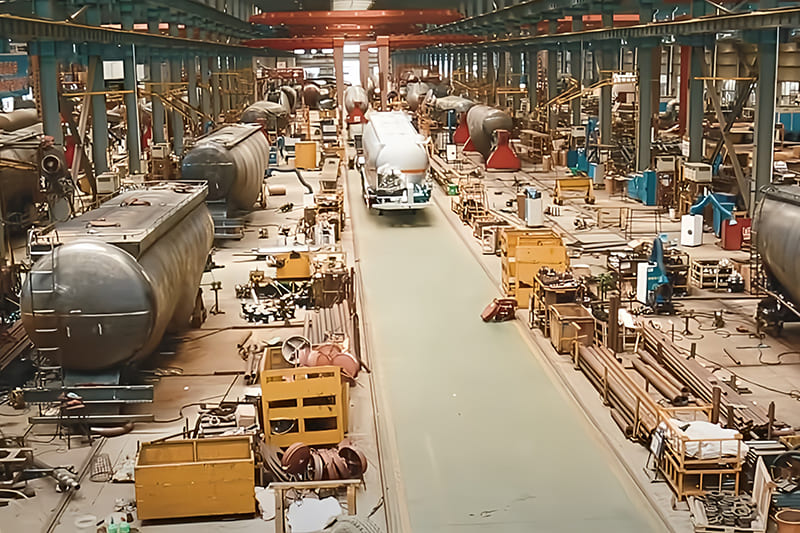
Built and Checked in Our Own Factory System
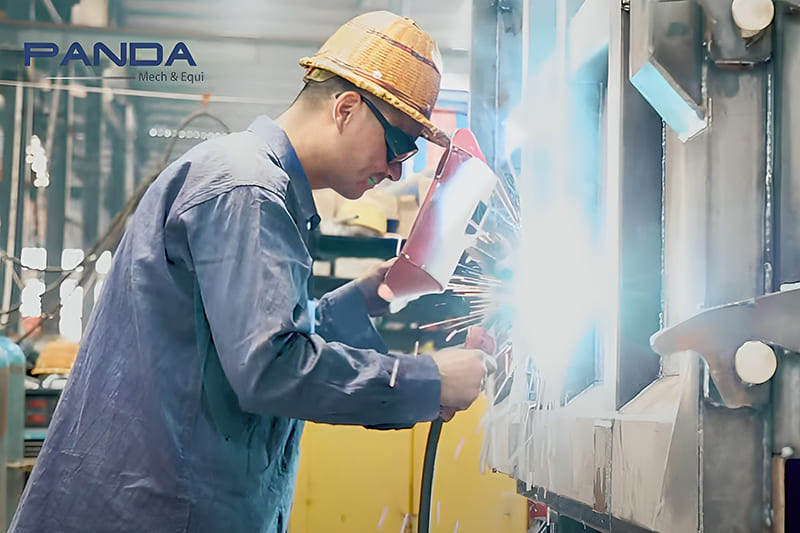
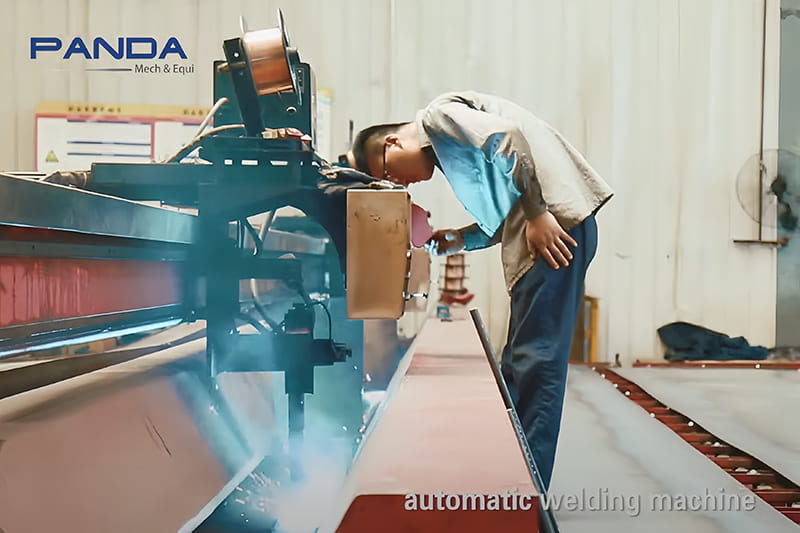
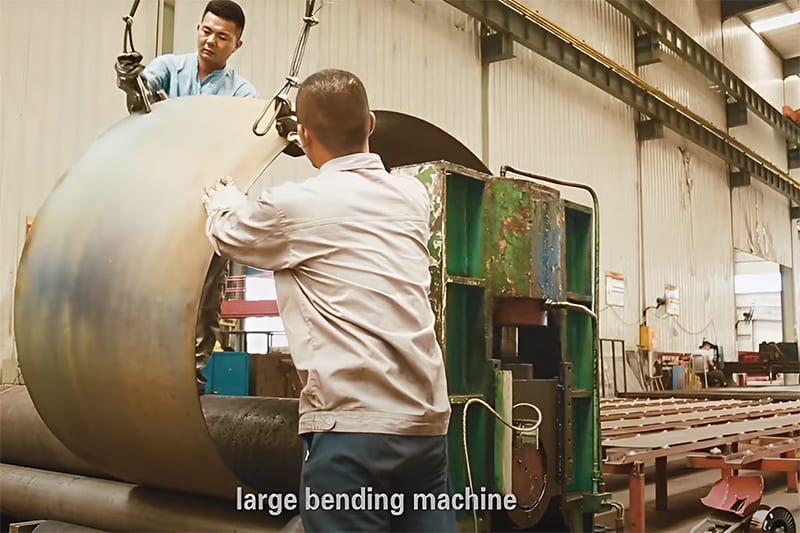
We use 200+ quality-control checks during production. These checks cover materials, welding, tank sealing, air piping, running gear and the finished trailer before shipment.
1. Material Check
We check that the main tank and structural materials match the approved order before production moves forward.
2. Tank & Weld Check
We check tank shape, weld quality and key structural areas before final assembly.
3. Airtightness Check
We check the tank for air leakage because a leaking tank can reduce unloading performance.
4. Pipeline & Valve Check
We inspect air pipes, discharge pipes, valves and sealing points for correct installation and leakage.
5. Running Gear Check
We inspect the axle, suspension, brake, tire and fastening setup used on the final trailer.
6. Final Configuration Check
Before shipment, we compare the finished trailer with the approved configuration and order requirements.
What Changes the 4 Axle Cement Tanker Price
We quote the complete trailer, not just the tank shell. Price changes with the axles, suspension, air-unloading system, options and shipping plan.
| What Changes the Price | Why It Matters |
|---|---|
| Payload / volume / structure | It can change tank size, material use and the main structure. |
| Axle, suspension and tire package | It changes purchase cost, empty weight, maintenance and spare-parts planning. |
| Engine / compressor / pneumatic package | It must match your discharge distance, silo and need for independent unloading. |
| Valves, piping and accessories | It changes service parts, durability and the unloading setup. |
| Country / route configuration | Local rules can change the axle layout, dimensions, brake setup and documents you need. |
| Quantity and fleet standardization | Using the same fleet specification can make ordering, maintenance and spare-parts stocking easier. |
| Shipping and destination port | Ocean freight depends on your destination port and sailing schedule. |
Generally 30% deposit + 70% before shipment unless the contract states otherwise.
Typically 7–25 days depending on configuration, quantity and the production schedule.
We aim to reply to complete project inquiries within 1 hour.
Send us your country, target payload, quantity and preferred suspension. We will prepare the current price and a recommended setup.
Send the Basic Project Details — We Will Check the Technical Parts
You do not need every technical detail before contacting us. Start with the six basic items below. We will then ask for tractor, silo and road details if they affect the final design.
What We Check After Your First Message
- Local gross vehicle weight and axle limits
- Road condition
- Tractor make / model
- Fifth-wheel and kingpin fit
- Silo height
- Horizontal discharge distance
- Desired unloading time
- Suspension preference
- Compressor / blower requirement
- Destination port
Common Questions Before You Order a 4 Axle Cement Tanker
These answers cover the points that usually affect the final price, drawing and trailer setup.
What are the main specifications of Panda Mech’s 4 axle cement tanker?
Our current model has a 60-ton design payload, a 50 m³ nominal tank and four axles. Cement unloading is above 1.5 t/min under suitable conditions. You can choose mechanical or air suspension. We set up the air-unloading system for your silo and discharge distance.
How fast can the 4 axle cement tanker unload 60 tons of cement?
Our cement unloading baseline is above 1.5 t/min. At that sustained rate, 60 tons of cement takes less than about 40 minutes to leave the trailer. Your real unloading time can be longer because the silo, pipeline and cement condition also affect the flow.
Why choose four axles instead of three?
We recommend four axles when your project needs more load spread across the road. If three axles already meet the legal payload and route rules, we may recommend three axles. That can reduce tire count, empty trailer weight and maintenance.
Is a 60-ton payload automatically legal because the trailer has four axles?
No. Four axles help spread the load, but they do not make 60 tons legal everywhere. Legal payload still depends on local gross vehicle weight (GVW), axle limits, empty trailer weight, axle spacing and the tractor. We check these items before we finish the drawing.
Can Panda Mech configure the tanker for a high silo or long discharge distance?
Yes. Send us the silo height, horizontal discharge distance, pipe details and the unloading time you want. We use these numbers to choose the air-unloading setup.
Mechanical suspension or air suspension?
We offer both. Mechanical suspension is simpler and often easier to service. Air suspension can give a smoother ride and may match some fleet standards better. We recommend the option that fits your roads and local service support.
Why are some axle, tire, brake and compressor values not fixed on the page?
These parts can change with the destination, route, tractor and unloading conditions. We confirm the exact axle rating, tire package, brake setup, compressor flow and working pressure in the quotation and production drawing instead of using one number for every market.
How long does production take?
Production is typically 7–25 days depending on configuration, order quantity and the production schedule. Ocean transit is separate and depends on the destination and sailing schedule.
Choose the Cement Tanker Configuration That Fits Your Fleet
If you are still comparing payload or axle count, these Panda Mech pages can help you choose the next option to check.
Get the 4 Axle Cement Tanker Price, Drawing and Recommended Setup
Send us your country, cargo, target payload, quantity and unloading conditions. We will match the trailer to your job and prepare the quotation.